

i BLOGS
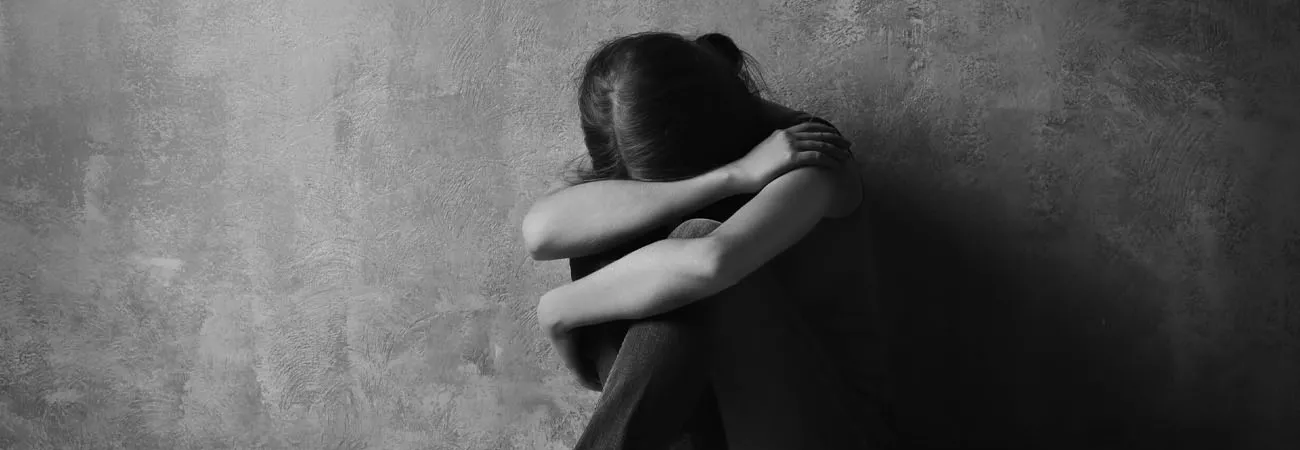
“My Abuser Is My Father”: For 6 Months, a Father In Vehari Raped His Three Minor Daughtersتازترین
May 12, 2026
A 9-year-old girl should worry about school homework.
An 11-year-old should be laughing with friends.
A 14-year-old should feel safe in her own bedroom.
Instead, in Vehari, three sisters spent six months living with terror inside the walls of their own home.
According to police in Burewala, a father allegedly raped his three minor daughters repeatedly while their mother was away. The abuse continued for half a year before the girls finally told their mother on May 3. An FIR was registered on May 5, and the suspect was arrested in Chak 41/KB, Vehari district.
Think about what that means.
For six months, these children woke up every day knowing the person meant to protect them was the person hurting them.
The word “father” is supposed to mean safety. In this case, it became a weapon.
And that is what makes stories like this so horrifying: the violence is not happening in dark alleys or abandoned streets. It is happening at dinner tables. In bedrooms. In homes children are told are the safest places on earth.
The Real Horror Is How Common This Is
Every month in Pakistan, hundreds of child sexual abuse cases are reported.
Those are only the reported cases.
The real number is almost certainly far higher.
Because in most cases, the abuser is not a stranger.
The abuser is an uncle.
A cousin.
A teacher.
A neighbor.
A brother.
A father.
Children are taught from an early age to obey elders without question. They are taught silence before they are taught safety. Many do not even have the language to explain abuse when it happens.
They only know something feels wrong.
Predators know this.
They depend on confusion. They depend on fear. They depend on the child believing nobody will listen — or worse, that the child will be blamed.
And in Pakistan, too often, they are right.
“Why Didn’t They Speak Earlier?” Is the Wrong Question
People always ask why victims stayed silent.
They should ask:
What kind of fear keeps a child silent for six months?
Imagine being 9 years old and knowing your abuser controls your food, your home, your life.
Imagine being told your entire life that parents must be obeyed no matter what.
Imagine believing that if you speak up, your family will collapse.
Children do not stay silent because they are weak.
They stay silent because survival teaches them to.
The Shame Never Lands Where It Should
One of the cruel realities in Pakistani society is this: when sexual abuse happens, the shame often falls on the victim instead of the predator.
Families hide abuse to “protect honor.” Communities whisper about the girls instead of condemning the man. Survivors are told to forget, stay quiet, move on.
Every time a family buries a case, every time a community chooses reputation over truth, another predator learns they can get away with it.
Children should know:
- No adult has the right to touch them inappropriately.
- Secrets about touching are never okay.
- They can say no — even to family members.
- If one adult ignores them, they should tell another.
- Their body belongs to them.
This is not “Western culture.”
This is child protection.
Teaching children about boundaries does not corrupt innocence. Abuse does.
The Damage Does Not End When the Abuse Stops
People talk about sexual abuse as if it is a moment.
It is not.
It follows children into adulthood. Into relationships. Into sleep. Into memory. Into every future version of themselves.
Some survivors spend years battling depression, anxiety, PTSD, self-harm, addiction, or suicidal thoughts.
The crime may last minutes.
The consequences can last a lifetime.
Credit: Independent News Pakistan (INP)
متعلقہ خبریں