

i INP-WEALTHPK
Border communities, small businesses bear brunt of Pak-Afghan tensionsتازترین
April 02, 2026
By Hasan
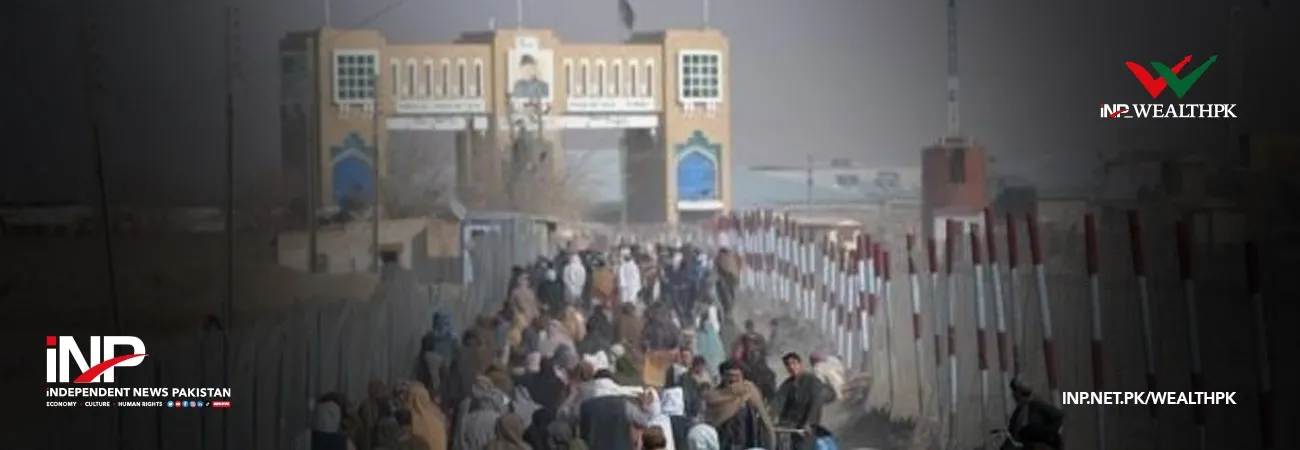
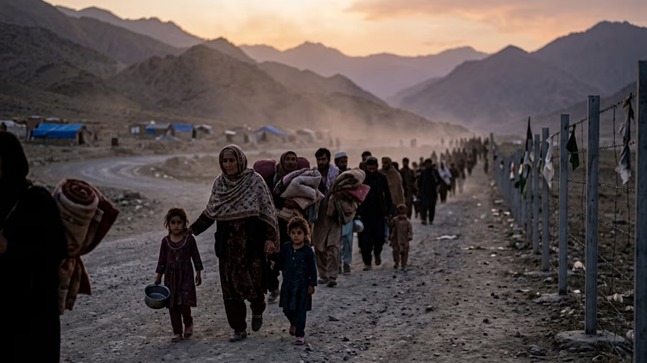
Pakistan-Afghanistan tensions are disrupting cross-border trade, placing sustained pressure on small businesses, transporters, and border communities that depend on daily commercial activity for their livelihoods. Analysts say the burden is felt most acutely in areas surrounding key crossings such as Torkham and Chaman, where local economies rely heavily on the steady movement of goods and people.
Recent institutional assessments highlight the economic cost of prolonged disruptions. A United Nations report issued in February 2026 noted that border closures continued to affect trade, movement, and humanitarian operations, delaying the delivery of about 5,500 tons of UN cargo. The World Food Programme similarly reported that closures halted trade and most cross-border movement, stranding thousands of people and trucks while interrupting long-established supply routes.
These disruptions quickly ripple into local markets, slowing transport activity and undermining livelihoods. Junaid Khan, Project Director of the Pak-Afghan Regional Stability Program at the Center for Research and Security Studies, Islamabad, said the impact has been severe and extends far beyond large traders. According to him, local economies, transporters, logistics operators, and border communities all suffer when normal commercial movement is disrupted.
He noted that trade between Pakistan and Afghanistan has long been vulnerable to political tensions. Security considerations, he added, are now closely tied to trade decisions, as policymakers are sometimes willing to absorb economic losses if the risks of keeping the border open outweigh the benefits. While this approach reflects broader security priorities, it also explains why economic pain is often accepted during periods of heightened tension.
At the same time, Khan argued that stricter security does not necessarily require a complete halt to commerce. He suggested that goods could continue moving through dedicated cargo lanes at major crossings. Security-cleared convoys, scanners, trackers, and registered cargo systems, he said, already provide an administrative framework that can support trade continuity if effectively utilised.
Dr. M. Azam, Assistant Professor of Politics and International Relations at the University of Sargodha, said the dispute is causing significant commercial losses on both sides of the border. He emphasised that Pakistan alone cannot resolve the issue as long as broader tensions remain unsettled, making sustained diplomacy between Islamabad and Kabul essential. However, he noted that the government can still ease pressure on traders through targeted support measures.
These include tighter monitoring at border points, clearer guidance for traders seeking alternative markets, and more effective use of embassies, consulates, and chambers of commerce to help businesses adapt during disruptions. Azam said that if institutions assist traders in identifying new outlets and navigating constraints, the current challenges could also encourage more resilient business practices over time. Noor Alam Khan, Trade Development Consultant at Praxsys Associates, highlighted the logistical and financial strain faced by small businesses during prolonged closures.
He explained that stranded trucks incur demurrage charges of $20 to $80 per day, while delays beyond 38 hours can wipe out profit margins for perishable goods such as fruits, vegetables, and pharmaceuticals. Beyond immediate losses, he noted that unreliable formal trade channels can push businesses toward rerouting shipments, holding larger inventories, or relying on intermediaries. In some cases, traders may shift toward informal trade, increasing costs, reducing customs revenues, and weakening confidence in regulated commerce. Khan said several practical measures could help cushion the impact.
These include prioritising essential goods, medicines, and humanitarian supplies during clearance, and making better use of existing mechanisms under the Afghanistan-Pakistan Transit Trade Agreement, such as vehicular tracking, bonded carriers, bank guarantees, pre-clearance, and risk-based inspections. He also stressed the importance of cold storage facilities, rapid inspection lanes, and temporary warehousing near border crossings, noting that much of the loss during closures results from spoilage.
In the short term, he proposed temporary waivers or subsidies on demurrage and guarantee fees, emergency credit or insurance support for exporters of perishable goods, and real-time digital updates to help traders plan shipments more effectively. Analysts say that while a broader political resolution may take time, the economic fallout is immediate and most visible at the local level.
Border communities and small businesses, they note, continue to bear the earliest and heaviest impact of repeated disruptions, underscoring the need for steadier diplomacy, more efficient border management, and targeted support to protect livelihoods.
Credit: INP-WealthPk
متعلقہ خبریں