

i INP-WEALTHPK

Climate ministry plans Rs40m wetland, flood resilience programme for Punjabتازترین
October 07, 2026
By Abdul Ghani
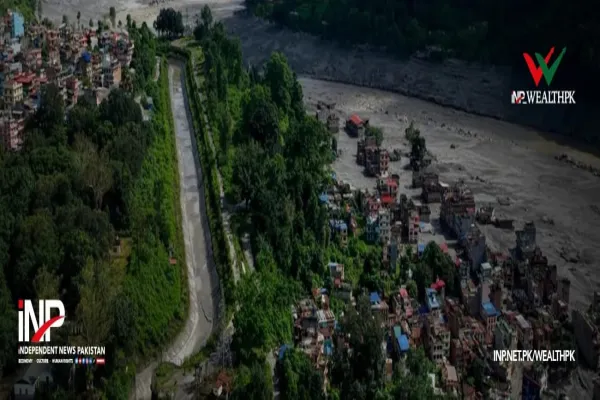
The Ministry of Climate Change and Environmental Coordination (MoCC) has proposed a Rs40 million programme to strengthen flood resilience through wetland conservation, restoration and climate adaptation, according to a document available with Wealth Pakistan.
The proposed “Punjab Nature-Based Flood Resilience, Wetland Identification, Restoration & Integrated Climate Adaptation Programme” has been included in the World Bank’s project pipeline for Pakistan’s FY2026–FY2035 Country Partnership Framework.
The Rs40 million (approximately $144,000) initiative is planned for implementation over three years from FY2026 to FY2029.
The project aims to create a comprehensive inventory of Punjab’s wetlands by mapping more than 250 wetland sites and bringing around 90,000 to 110,000 hectares under active management or protection.
The programme is designed to use wetlands as natural climate buffers by improving flood management capacity, restoring degraded ecosystems and supporting long-term carbon sequestration.
According to the project details, the initiative targets the creation of natural flood storage capacity of approximately 50–75 billion litres and could support carbon sequestration of around 300,000–500,000 tonnes of carbon dioxide equivalent annually. It also includes plans to restore and manage three existing Ramsar sites, identify 8–10 new protected areas, and prepare at least three additional Ramsar site submissions for international recognition.
The programme is expected to support communities dependent on wetland ecosystems, with a target of improving livelihoods for more than 150,000 households through climate-resilient activities and sustainable resource management.
The Punjab Environmental Protection Agency (EPA) will spearhead the implementation, supported by the provincial departments of forestry, wildlife, irrigation, and fisheries, as well as the Provincial Disaster Management Authority (PDMA).
The Pakistan Climate Change Authority (PCCA) will serve as the national coordinating body, while technical collaboration is expected from organisations including SUPARCO, Pakistan Meteorological Department (PMD), IUCN, WWF, WAPDA and other climate specialists.
The proposed financial structure allocates resources for wetland inventory development, Ramsar site restoration, new protected area planning, land-use reforms, monitoring and verification systems, livelihood support and programme management. The document states that the project remains at the conceptual stage, with implementation progress and financial utilisation yet to be reported.
Credit: INP-WealthPk
متعلقہ خبریں