

i INP-WEALTHPK
National dairy policy can improve safe milk access, strengthen food security: stakeholdersتازترین
June 03, 2026
By Muhammad Luqman
Pakistan can improve access to safe and affordable milk while strengthening food security and formalizing the rural economy through a comprehensive National Dairy Policy, according to stakeholders in the dairy sector.
Despite being the world’s fourth-largest milk producer, with annual production reaching 72.4 billion litres, the country continues to struggle with ensuring the supply of safe milk to a large segment of its population.
Speaking with Wealth Pakistan, Dr. Shehzad Amin, Chief Executive Officer of Pakistan Dairy Association, the representative body of milk processing and marketing companies, said the proposed policy could introduce phased structural reforms and modernize the dairy supply chain.
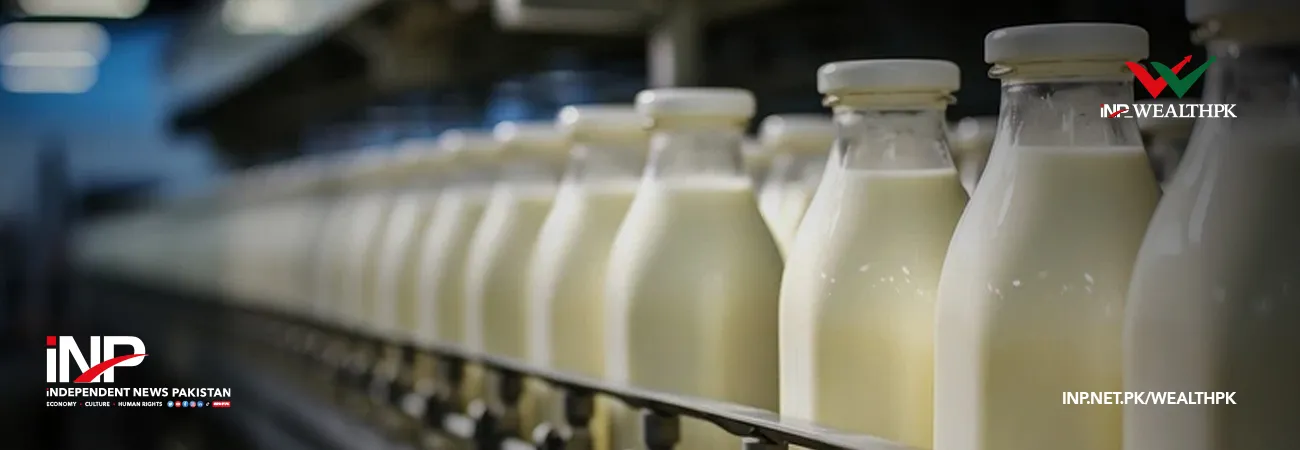
He said the policy should include the development of integrated cold-chain systems and milk collection centres in rural milk-producing areas, as nearly 15% of milk production is lost due to inadequate cold-storage facilities and mishandling.
Dr. Amin said Pakistan’s dairy sector remains overwhelmingly informal, with around 95% of milk traded through unregulated loose milk channels.
He noted that the absence of comprehensive and effectively enforced dairy regulations has allowed unsafe and untested milk products to dominate the market.
He stressed the need for introducing a minimum pasteurization law to discourage the sale of unhygienic and adulterated raw milk and support a gradual transition toward safer processed milk products.
According to him, limited access to safe and nutritious milk, particularly for children, continues to contribute to high levels of malnutrition and stunted growth in Pakistan.
He said nearly 38% of children under five suffer from stunting, while the economic cost of malnutrition is estimated at approximately $7.6 billion, equivalent to around 3% of the country’s GDP.
Dr. Amin said dairy products remain among the most affordable and effective nutritional interventions available.
“Two glasses of milk daily can provide around 50–60% of calcium requirements and 25–30% of protein needs, making dairy one of the most effective and affordable tools to combat malnutrition and stunting in Pakistan,” he said.
He said the Pakistan Dairy Association had also proposed establishing “safe milk cities” to tackle milk adulteration and improve quality standards.
As part of a pilot initiative, he suggested launching an Islamabad Safe Milk City project that could later be expanded to other urban centres, including Lahore and Karachi.
He further said formalizing even 50% of Pakistan’s tradable milk market could create a taxable base of nearly Rs7.5 trillion and generate an estimated Rs1,300 billion in potential GST revenue, while also improving nutrition standards and increasing farmers’ incomes.
Dr. Amin also pointed to taxation as another challenge affecting the dairy sector.
He said Pakistan currently imposes one of the highest tax rates on milk products, including liquid and powdered milk, at 18%, while many countries either exempt milk from taxes altogether or apply relatively low rates due to its importance as a basic nutritional item.
Nutrition experts also believe that higher taxes increase the cost of processed and packaged milk, encouraging consumers to shift toward cheaper loose milk products.
Speaking with Wealth Pakistan, Dr. Syed Ali Haider, a Lahore-based nutritionist, said loose milk may appear less expensive at the point of purchase, but hidden health risks often create higher long-term costs for consumers.
He said packaged milk may initially cost more, but it becomes economically and socially more beneficial when healthcare-related costs are taken into consideration.
“Both the government and milk processing companies have to play their respective roles in bringing down the price of packaged milk in Pakistan,” he said.
He suggested that the government should exempt processed milk from taxes, while companies should reduce costs by adopting simpler packaging options, such as pouches rather than expensive carton-based alternatives.
“More focus should be placed on pasteurization rather than expensive packaging,” he said.
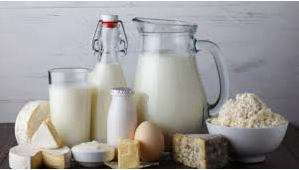
Credit: INP-WealthPk
متعلقہ خبریں