



i INP-WEALTHPK

Pakistan's public debt reaches Rs83.3tr in FY2025-26تازترین
June 12, 2026
By Ayesha Saba
Pakistan’s total public debt reached Rs83.285 trillion by the end of March FY2025-26, reflecting the scale of the government's financing requirements while highlighting ongoing efforts to improve debt management, strengthen fiscal discipline and reduce financing risks, according to the Pakistan Economic Survey 2025-26 released by the Ministry of Finance.
The survey notes that public debt remains an important component of economic management, financing fiscal deficits, development expenditures and public-sector obligations. At the same time, the government has continued to implement measures aimed at improving the composition and sustainability of debt through prudent borrowing strategies and fiscal consolidation.
According to the survey, Pakistan's public debt stock stood at Rs83.285 trillion as of March 31, 2026. Domestic debt accounted for the largest share, while external public debt continued to constitute a significant component of the overall debt portfolio.
The Ministry of Finance notes that changes in public debt levels are influenced by fiscal deficits, exchange rate movements, financing requirements, interest costs and economic growth trends.
The survey highlights that debt management remained a major policy focus during FY2025-26 as authorities sought to reduce refinancing pressures, strengthen debt sustainability and improve the structure of government borrowing.
One of the key developments during the fiscal year was the continued shift toward longer-term borrowing instruments. According to the survey, the average time to maturity of domestic debt improved, reducing rollover risks associated with frequent refinancing of short-term obligations.
The government also increased the share of fixed-rate debt within its domestic borrowing portfolio. The survey notes that a higher proportion of fixed-rate instruments helps reduce exposure to fluctuations in interest rates and provides greater certainty regarding future debt-servicing costs.
Fiscal consolidation efforts supported debt management objectives during the fiscal year. According to the survey, the fiscal deficit narrowed significantly, while the government maintained a sizeable primary surplus, reflecting stronger revenue collection and prudent expenditure management.
The Ministry of Finance views these developments as important steps toward improving the sustainability of public finances and reducing borrowing pressures over time.
The survey also points to progress in diversifying financing sources. During FY2025-26, the government raised approximately Rs2.25 trillion through Sukuk issuances, highlighting the growing importance of Shariah-compliant financing instruments in the country's domestic debt market.
The increased use of Sukuk provided an alternative funding source while helping broaden the investor base participating in government financing.
According to the survey, efforts to deepen domestic capital markets continued during the fiscal year. Expanding the range of financing instruments and strengthening investor participation remain key objectives of the government's debt management strategy.
The report notes that Pakistan's debt profile benefited from improvements in the broader macroeconomic environment. Inflation moderated significantly compared with previous years, the exchange rate remained relatively stable and foreign exchange reserves improved, helping strengthen overall economic stability.
The external sector also showed resilience during the fiscal year. Strong workers' remittances, growth in services exports and a broadly stable current account position contributed to reducing external financing pressures and supporting confidence in the economy.
According to the survey, debt management reforms formed part of a broader economic stabilization programme focused on fiscal discipline, revenue enhancement, expenditure rationalization and structural reforms.
The Ministry of Finance notes that improving debt sustainability remains essential for maintaining macroeconomic stability, supporting investor confidence and creating fiscal space for development spending.
The survey further highlights that stronger economic growth can improve debt indicators over time by expanding the size of the economy and increasing government revenues. Pakistan's economy grew by 3.7% during FY2025-26, supported by positive contributions from agriculture, industry and services.
The report notes that recent improvements in debt composition, maturity profiles and financing strategies reflect continued efforts to strengthen public debt management and reduce vulnerabilities associated with financing risks.
With public debt standing at Rs83.285 trillion and reforms focused on improving debt sustainability, FY2025-26 saw continued efforts to balance financing needs with fiscal responsibility while strengthening the resilience of Pakistan's public finances.
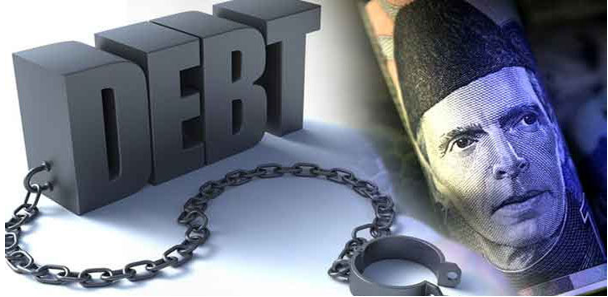
Credit: INP-WealthPk
متعلقہ خبریں