


INP-WealthPk
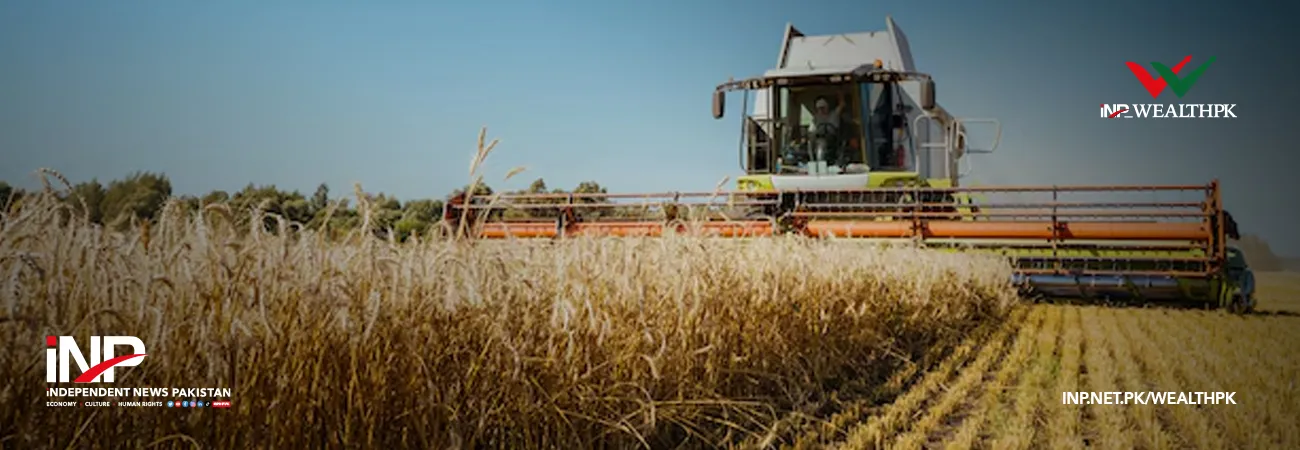
Agriculture shows mixed performance as wheat output reaches 29.3m tonnes
May 07, 2026
By Ayesha Saba
Pakistan’s agriculture sector showed a mixed performance during the Rabi 2025-26 season, with some crops posting notable gains while others recorded relatively modest output levels.
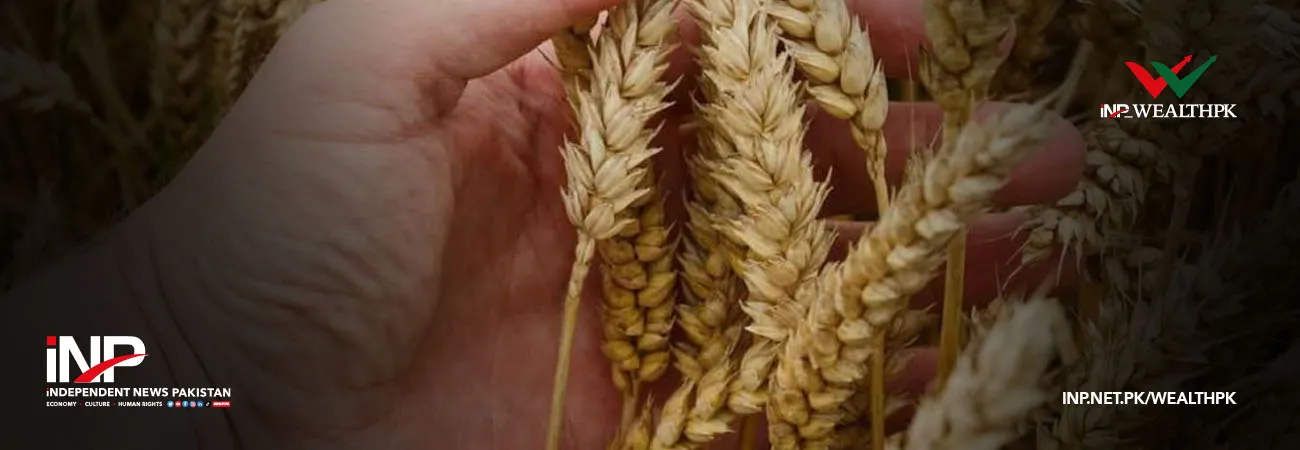
According to the “Monthly Economic Update & Outlook April 2026” released by the Finance Division and available with Wealth Pakistan, wheat production was estimated at 29.31 million tonnes, cultivated over an area of 9.38 million hectares.
The report highlights that some crops recorded strong growth during the season. Potato production increased by 23.2% to 12.17 million tonnes, while gram production rose significantly by 52.4% to 0.26 million tonnes.
Other key crops recorded stable output levels. Onion production stood at 2.7 million tonnes, while tomato production was recorded at 0.56 million tonnes during the Rabi season.
The data indicates that the agriculture sector maintained resilient, supported by output gains in certain crops despite varying performance across others.
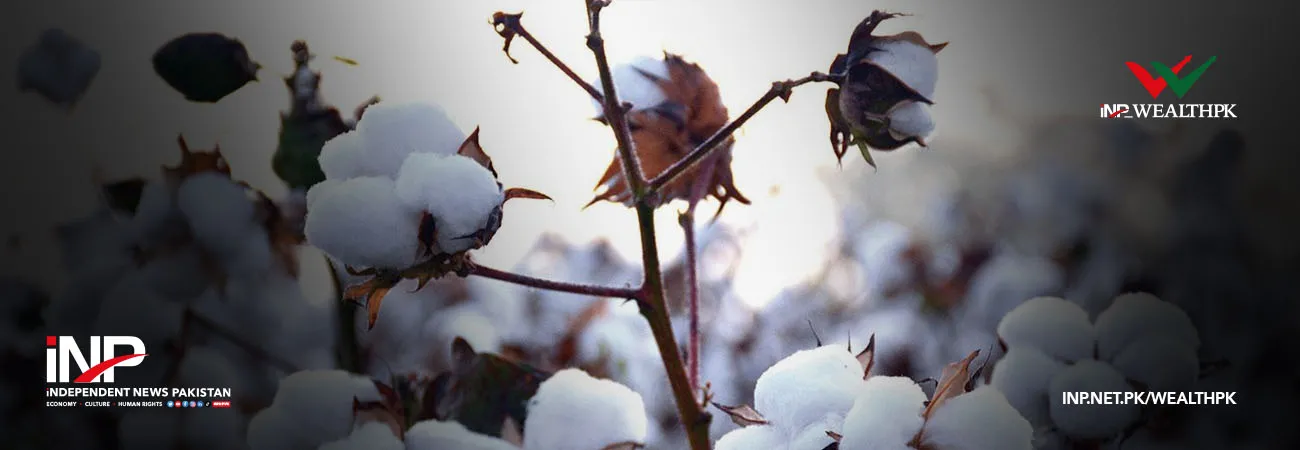
The report also outlines targets for the upcoming Kharif 2026 season. Production targets have been set at 9.64 million bales for cotton, 9.17 million tonnes for rice, 9.77 million tonnes for maize, and 80.3 million tonnes for sugarcane.
These targets reflect expectations for continued agricultural output supported by available inputs and planning measures.
The document highlights that adequate water availability is expected for the Kharif season, with anticipated supplies of 67.45 million acre-feet (MAF). This is expected to support crop cultivation during the upcoming cycle.
The availability of certified seeds and fertilizers is also reported to be sufficient, contributing to the overall preparedness for the Kharif season.
In addition, agriculture credit is expected to increase to Rs3,062 billion, reflecting a 19% rise compared to the previous year. This increase is aimed at supporting farmers and enhancing agricultural productivity.
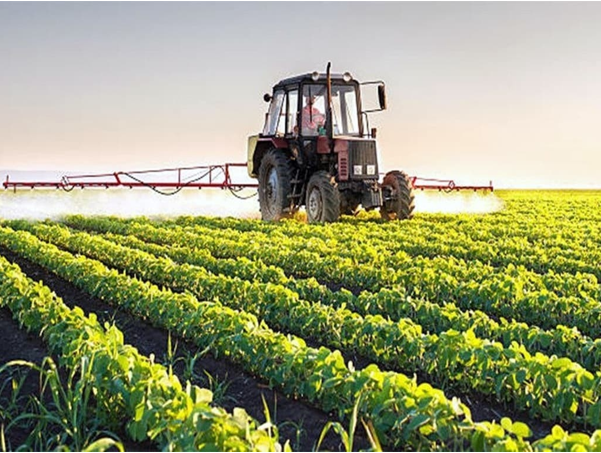
The report notes that ongoing reforms in the agriculture sector focus on expanding mechanization and strengthening seed systems. These measures are intended to modernize farming practices and improve crop productivity.
However, the document also highlights challenges faced by the sector. Climate-related stress and rising diesel prices continue to affect agricultural activity, influencing both production costs and output levels.
The mixed performance during the Rabi season, combined with planned targets for Kharif crops, reflects varying trends within the agriculture sector as captured in the official data.
The data indicates that while some crops recorded significant gains, overall agricultural performance remains influenced by multiple factors, including input availability and external conditions.
Credit: INP-WealthPk
Related Articles