



INP-WealthPk

Balochistan to account for 79% of Pakistan's mash output in 2026–27
November 13, 2026
By Azeem Ahmed Khan
Balochistan is expected to account for nearly 79% of Pakistan's mash production in 2026–27, with provincial output estimated at 4,100 tonnes against a national total of 5,190 tonnes, according to the official documents of the Ministry of National Food Security and Research available with Wealth Pakistan.
Mash, an important Kharif pulse crop, is expected to be cultivated over 6,400 hectares across Pakistan during 2026–27. Balochistan alone is estimated to account for 4,800 hectares, representing 75% of the country's total area under the crop.
The province's cultivated area is estimated to expand by 3.7% from 4,630 hectares in 2025–26, representing an increase of approximately 170 hectares. However, its mash production is projected to decline slightly by 2.8% from 4,220 tonnes to 4,100 tonnes, according to the provincial estimates.
The province is also expected to maintain a comparatively high average mash yield of 854 kilograms per hectare in 2026–27. Although this represents a decrease from 911 kilograms per hectare in the previous year, the province's projected yield remains above the national average of 810 kilograms per hectare.
Sindh is another province where the official estimates indicate positive growth in mash cultivation and production. The ministry reports that the province's cultivated area is expected to increase by 27.3%, while production is projected to rise by 23.1% compared with the previous crop year.
The provincial estimates put Sindh's mash cultivation area at approximately 30 hectares and production at around 20 tonnes in 2026–27. Its average yield is projected at 571 kilograms per hectare, compared with 590 kilograms per hectare in 2025–26.
Khyber Pakhtunkhwa is expected to record mash production of approximately 790 tonnes in 2026–27, compared with 800 tonnes in the preceding crop year. Its average yield is estimated at 906 kilograms per hectare, the highest among the four provinces listed in the document.
Meanwhile, Punjab's mash production is estimated at 280 tonnes in 2026–27, compared with 590 tonnes in 2025–26, reflecting a decline of 52.5%. The cultivated area is also projected to decrease from 1,300 hectares to 700 hectares, while the average yield is expected to fall from 453 in 2025–26 to 400 kilograms per hectare in 2026–27.
At the national level, mash production is estimated to decline by 7.7% to 5,190 tonnes from 5,620 tonnes in 2025–26. The cultivated area is also expected to decrease from 6,840 hectares to 6,400 hectares, while the average yield is projected to fall by 1.5% to 810 kilograms per hectare from 822 kilograms per hectare.
The document identifies the unavailability of high-yielding varieties, inadequate weed control and limited mechanization as factors behind the reduction in the area under mash cultivation.
Despite the decline in national output, the provincial estimates highlight Balochistan's dominant contribution to mash production and an expansion in its cultivated area, while Sindh is also expected to register gains in both cultivation and production.
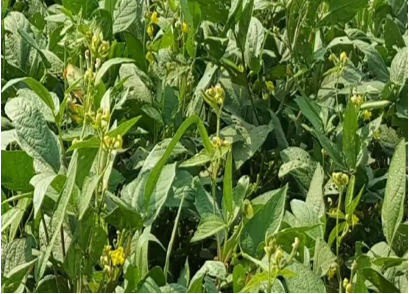
Credit: INP-WealthPk
Related Articles