


INP-WealthPk

Banking profitability rises 11.2% in 2025 despite higher tax burden
May 11, 2026
By Moaaz Manzoor
Pakistan’s banking sector recorded an 11.2% increase in after-tax profits in 2025 despite a higher tax burden, according to the Financial Stability Review 2025 released by the State Bank of Pakistan (SBP).
The report indicates that the growth in profitability was largely driven by expansion in the overall volume of banking operations rather than improvements in efficiency or margins. Strong balance sheet growth, increased investment in government securities, and higher income from financial assets contributed to the rise in earnings during the year.
However, key profitability indicators showed signs of easing. Return on assets declined slightly to 1.2% from 1.3% in the previous year, while return on equity decreased to 19.8% from 21.5%. This reflects the impact of higher operating costs and increased taxation, which offset some of the gains from higher income levels.
The SBP noted that the tax burden on banks increased further, with tax charges rising to 54.3% of pre-tax profits compared to 52.9% in the previous year. The higher taxation significantly affected net profitability, limiting the overall improvement in earnings despite strong revenue growth.
The report highlights that banks continued to benefit from their investment portfolios, particularly government securities, which provided stable and relatively risk-free returns. This contributed to consistent income generation and supported overall profitability, even as lending activity moderated during the year.
At the same time, improved asset quality helped contain credit-related losses, supporting earnings. Non-performing loans remained stable, and provisioning coverage improved, reducing the need for additional write-offs and strengthening the financial position of banks.
The banking sector also maintained a strong funding base, supported by robust deposit growth, which helped manage costs and sustain profitability. Lower reliance on borrowings further improved financial efficiency and reduced funding pressures.
The SBP pointed out that easing monetary conditions toward the latter part of the year may influence future profitability trends. As policy rates decline, margins could face pressure, although improved credit demand may partially offset this impact through higher lending volumes.
Despite the challenges posed by higher taxation and moderating profitability indicators, the banking sector remained financially sound, supported by strong capital buffers, adequate liquidity, and prudent risk management practices. These factors continue to underpin the sector’s resilience and its ability to sustain stable performance in a changing economic environment.
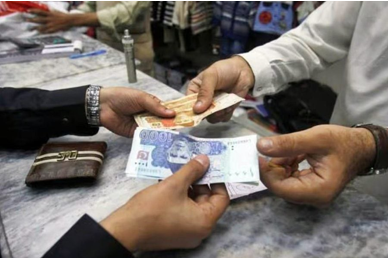
Credit: INP-WealthPk
Related Articles