


INP-WealthPk
Chinese hybrid rice, canola projects lift yields, boost rural incomes in Pakistan
February 18, 2026
Azeem Ahmed Khan
Chinese agricultural technologies are reshaping Pakistan’s farming landscape, lifting crop yields, reducing post-harvest losses, and opening new income opportunities, says Zhou Xusheng, Director of Qingfa Hesheng Seed Company. Talking to Wealth Pakistan, he said one of the earliest breakthroughs came through hybrid rice, which Zhou described as a cornerstone of China-Pakistan agricultural cooperation.
“Pakistan has moved from being the world’s seventh-largest rice exporter to fourth, now approaching third place,” he said. Since he arrived in Pakistan in 2010, Zhou has overseen the expansion of hybrid rice adoption, with annual demand rising from around 3,000-4,000 tonnes to more than 13,000 tonnes. He said the technology has raised average rice yields from about 50-60 mounds per acre to 90-100 mounds, with some farmers achieving even higher output.
Zhou said hybrid rice has played an important role in strengthening Pakistan’s rice exports, while also creating employment across seed supply, agrochemical marketing, cultivation, processing and overseas sales. Beyond higher yields, he said, future cooperation will focus more on improving rice quality, using Chinese varieties that sell at better prices and could help Pakistani exporters enter higher-value markets.
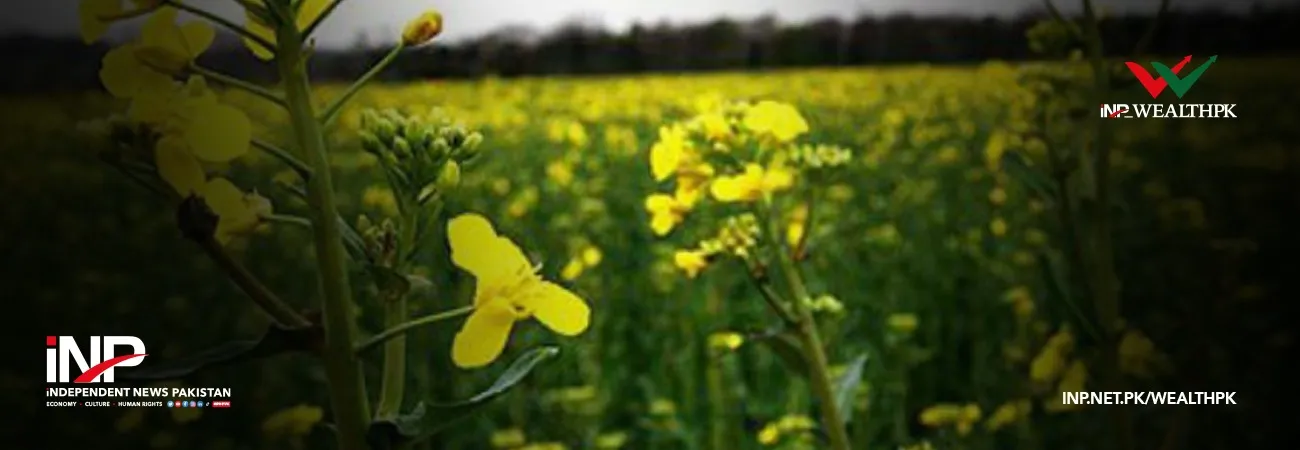
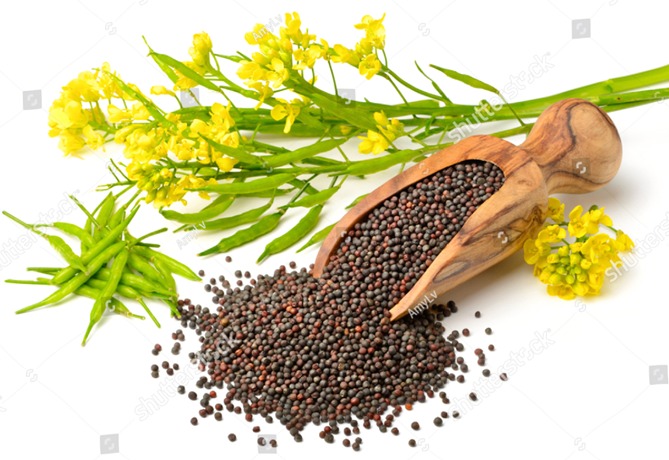
Alongside rice, Zhou highlighted edible oil as a major national challenge, noting that Pakistan depends on imports for about 90 percent of its needs and spends roughly $4 billion each year. To address this, Qingfa Hesheng has partnered with Pakistan’s Evyol Group to develop hybrid canola varieties. After almost a decade of joint research, the first hybrid was registered in 2019, and in 2025, the initiative was formally incorporated into the China-Pakistan Economic Corridor.
Zhou said hybrid canola offers higher yields and improved oil content, while requiring less fertilizer and fewer chemicals, delivering benefits for farmers, the environment, and soil health. He said the project is based on China’s own experience in becoming self-sufficient in edible oil by using better crop varieties, machinery, and local processing.
A key part of the project in Pakistan is the introduction of small and micro oil extraction units, which allow villages to process canola locally and supply nearby communities with affordable, high-quality oil. Under this model, families can grow crops and process them at the same time, allowing women to run extraction machines, sell oil, feed livestock with the high-protein by-product, and directly add to household income.
Zhou said this approach supports rural entrepreneurship while advancing food security and public health. Mechanization is another key part of the program. Qingfa Hesheng has introduced low-cost harvesting equipment to reduce canola losses after harvest, which can reach 30-40 percent because of limited machinery.
Drawing on Chinese experience, where specialized equipment has reduced losses to 5-10 percent, Zhou said Pakistani farmers using the new attachments can significantly increase effective yields and income. He added that Chinese enterprises see strong potential for increased investment in Pakistan, particularly through the introduction of modern harvesting technologies that can both expand business opportunities and help farmers reduce crop losses.
Zhou also pointed out that China’s demand for imported farm products is rising, adding that Pakistan’s climate and soil make it well placed to supply crops such as GD and sesame if farmers can improve yields and quality. He said China’s shrinking farmland and rising consumption are expected to drive sustained demand for overseas agricultural products, creating long-term opportunities for Pakistani growers.
“If Pakistan can increase yield and quality, its products will become competitive in this market,” Zhou said. He added that agriculture remains central to Pakistan’s economic development and that deeper China-Pakistan cooperation, combining improved seeds, machinery, processing, and market linkages, can help farmers move toward higher productivity and better livelihoods.
Credit: INP-WealthPk