INP-WealthPk
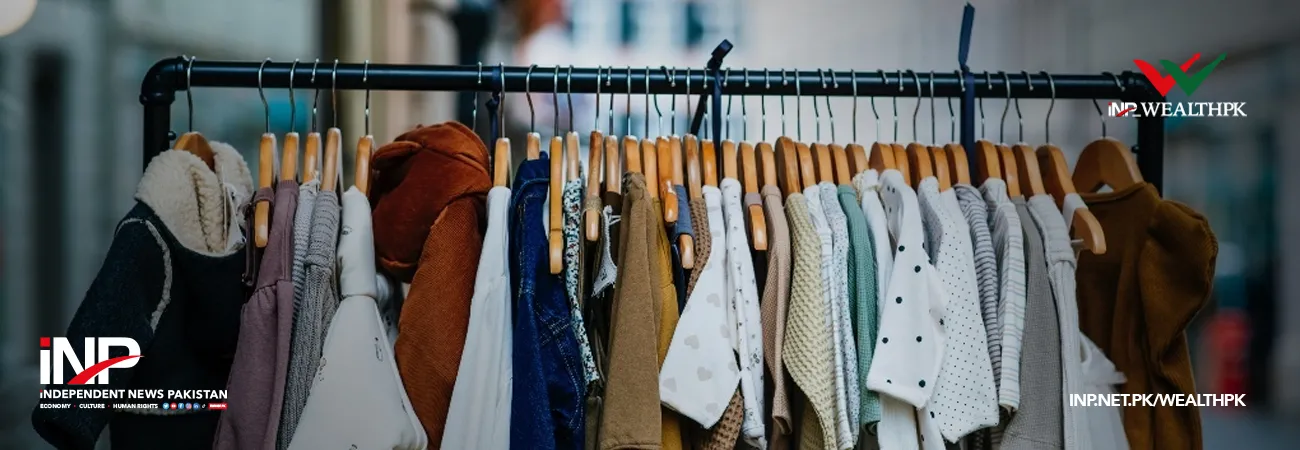
Clothing dominates Pakistan’s EU preferences as export concentration raises risks
July 21, 2026
By Farooq Awan
Clothing accounted for more than €5.3 billion of Pakistan’s exports using GSP+ concessions in 2024, leaving the country’s preferential trade with the European Union heavily dependent on a single labour-intensive industry.
According to the European Commission’s latest GSP+ assessment available with Wealth Pakistan, clothing represented by far the largest product category benefiting from the arrangement, with €5.563 billion in eligible exports and €5.301 billion in preferences used.
The sector achieved a preference-utilisation rate of 95.28%, meaning that exporters claimed GSP+ treatment on nearly all eligible clothing shipments entering the European market.
Textiles were the second-largest category, with €692 million in eligible trade and €676 million in preferences used. The sector recorded a utilisation rate of 97.74%, the highest among the major product groups identified in the assessment.
Together, clothing and textiles accounted for the overwhelming majority of Pakistan’s GSP+-supported trade. The Commission said the two sectors represented approximately 70% to 76% of Pakistan’s total exports to the EU during 2024.
Leather and fur articles ranked third, recording €294 million in eligible exports and €275 million in utilised preferences. Their utilisation rate stood at 93.58%.
Prepared foods and beverages followed with €236 million in eligible shipments and €229 million in preferences used, resulting in a 97.3% utilisation rate.
Miscellaneous manufactured products recorded €217 million in eligible exports and €204 million in preferences used, with a utilisation rate of 93.77%.
Other products collectively accounted for €480 million in eligible trade, of which €430 million used the available preferences. Their utilisation rate, at 89.61%, was lower than that of the five leading categories.
The figures show that Pakistan is highly effective at claiming concessions in sectors where it already has an established export base. The five leading product groups all recorded utilisation rates of between 93.58% and 97.74%.
However, the European Commission warned that concentration in a small number of industries increased Pakistan’s vulnerability to sector-specific disruptions.
Changes in European clothing demand, energy prices, production costs and compliance requirements can have a disproportionate effect on the country’s overall export performance because alternative product categories remain comparatively small.
This vulnerability was evident in 2023, when Pakistan’s overall utilisation of GSP+ preferences fell to 87.9%, partly due to supply chain disruptions and weaker demand for clothing and home textiles. The rate recovered to 95.1% in 2024 as shipments improved.
The assessment said clothing and textile products continued to underpin Pakistan’s comparative advantage in labour-intensive manufacturing. However, their dominance also meant that the country’s export performance remained closely tied to demand cycles within the European apparel market.
The data point to strong reliance on existing preferences but limited diversification of the export basket. Expanding exports in food products, leather goods, and other manufactured categories would broaden the commercial benefits of GSP+ and reduce the impact of a downturn in a single dominant sector.
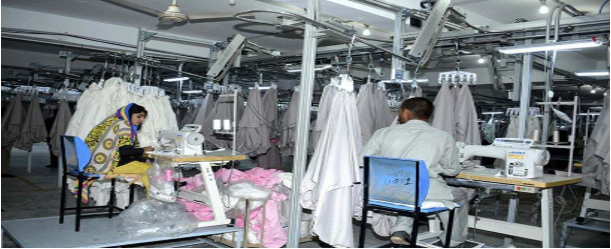
Credit: INP-WealthPk
Related Articles