




INP-WealthPk

Govt urged to develop FMD-free livestock production systems to boost exports
September 07, 2026
By Farooq Awan
The government has been urged to develop Foot-and-Mouth Disease (FMD)-free, export-oriented livestock production systems as part of efforts to strengthen animal health, improve biosecurity and enhance the country's access to international livestock markets.
According to recommendations of the Ministry of National Food Security and Research available with Wealth Pakistan, disease control and biosecurity are critical to improving the livestock sector's productivity and export readiness.
The recommendations call for strengthening the national disease surveillance and early-warning system to improve the detection, reporting and management of animal diseases and enable a timely response to disease outbreaks.
They also propose facilitating local production of FMD vaccines to enhance biosecurity and reduce dependence on imported vaccines, while strengthening the country's capacity to undertake sustained disease-control programmes.
A key recommendation is the development of FMD-free, export-oriented production systems supported by vaccination, biosecurity, animal identification and traceability, and effective animal-movement controls.
The proposed approach seeks to strengthen the animal-health environment required for livestock and livestock products to meet the sanitary and disease-control requirements of international markets.
The documents identify disease risks as one of the major constraints preventing Pakistan's livestock sector from realising its economic and export potential. Low productivity, inadequate traceability, fragmented and informal value chains, limited value addition and weak integration with international markets have also been identified among the sector's key challenges.
Strengthening veterinary services and disease-control infrastructure therefore forms an important part of the proposed reforms. The recommendations envisage stronger surveillance and diagnostic capacity, improved biosecurity practices and greater preparedness to identify and respond to animal health threats.
Laboratory capacity is another area highlighted for improvement. The documents call for strengthening accredited laboratories and quality-monitoring systems as part of efforts to improve disease control, food safety and compliance with standards required for livestock trade.
The recommendations also underline the importance of animal identification and traceability in supporting disease-control measures. Linking identification with information on animal movement, vaccination and disease surveillance would allow health authorities to better monitor livestock populations and respond to disease risks.
At the same time, stronger animal-movement controls have been proposed to complement vaccination and biosecurity measures in the development of disease-free, export-oriented production systems.
The documents also link improved animal health with the wider formalisation of livestock value chains. They recommend modernising livestock markets and strengthening slaughter and food-safety standards alongside improvements in veterinary and laboratory systems.
The emphasis on disease control comes as the government seeks to improve the livestock sector's ability to participate in higher-value international markets. Better disease surveillance, vaccination and biosecurity would help improve the credibility of Pakistan's animal-health and food-safety systems and strengthen compliance with export requirements.
The recommendations envisage a broader transformation pathway under which improvements in productivity would be followed by greater commercialisation, formalisation, value addition and export competitiveness.
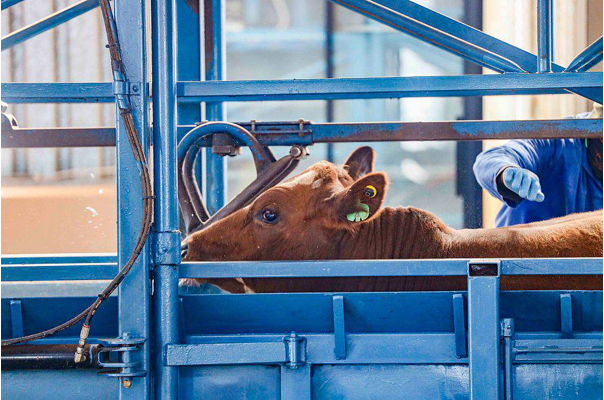
Credit: INP-WealthPk