


INP-WealthPk
Higher shipping costs squeeze Pakistan's export competitiveness
September 02, 2026
By Qudsia Bano
Pakistani exporters are facing sharply higher shipping costs on major international routes, adding pressure on their competitiveness as global freight rates rise amid geopolitical tensions, capacity constraints and disruptions across key maritime trade corridors.
Drewry's World Container Index rose from $3,549 per 40-foot container on June 11 to $4,526 on August 20, an increase of nearly 28%, illustrating the renewed pressure on international container shipping costs.
The impact has also been visible on routes directly serving Pakistani exporters. Hapag-Lloyd announced successive increases in base ocean tariffs from Karachi and Port Qasim to European destinations during June, July and August.
For Pakistan-North Europe shipments, the carrier's announced base rates stood at $3,093 for a 20-foot dry container and $2,736 for a 40-foot container for sailings beginning July 15. Following further increases, rates effective August 15 reached $5,593 and $5,236, respectively.
These are Hapag-Lloyd's announced base tariff levels rather than market-wide averages and exclude some additional charges, but they illustrate the scale and speed of cost increases confronting exporters on a major European trade lane.
Global freight markets have also remained volatile rather than moving consistently upward. Drewry's index eased to $4,255 by July 30 before climbing again to $4,526 by August 20. The shipping consultancy said Middle East tensions were prompting carriers to introduce emergency fuel surcharges, while blank sailings and service adjustments continued to affect capacity.
Drewry also reported 49 planned blank sailings across major East-West trades between late August and late September, representing around 6% of scheduled sailings.
The freight pressure comes as Pakistan's exports show signs of recovery following a weaker FY2025-26 performance. According to the Ministry of Planning, Development and Special Initiatives, goods exports increased 9.4% year-on-year to around $3 billion in July 2026, while combined exports of goods and services rose about 13% to $3.9 billion.
Textile exports increased 3.9%, food exports 8%, leather goods 7.8% and surgical goods 16.3% during the month.
The Pakistan Economic Survey 2025-26, however, shows that goods exports during July-March FY2026 stood at $22.7 billion, compared with $24.7 billion in the corresponding period a year earlier. Food exports declined 33.9%, while the government identified logistical constraints and adjustments in regional trade routes among the pressures affecting some export categories.
Maritime logistics remain particularly important for Pakistan's merchandise trade. The Economic Survey shows Karachi Port handled 42.03 million tonnes of cargo during July-March FY2026, up 4% year-on-year, while Port Qasim handled 36.42 million tonnes, an increase of 8%.
Domestic logistics also came under pressure in July. Pakistan Customs said combined vessel calls at the Karachi International Container Terminal and South Asia Pakistan Terminal increased 14.3% during the month, while container throughput at SAPT rose 12% to 52,314 TEUs, prompting additional measures to reduce congestion and accelerate clearance.
The government has also acknowledged the impact of maritime disruptions on shipping costs. In an official National Assembly reply, the Ministry of Maritime Affairs said war-risk insurance premiums were subject to daily revisions during heightened regional tensions and freight rates had at one point risen as much as fivefold compared with normal market conditions.
The ministry cited feeder services, alternative links and port-cost relief among measures aimed at protecting supply chains and exporters.
Speaking to Wealth Pakistan, Raja Nasir, Deputy Manager of Export & Shipping at Feroze1888 Mills Ltd, said the challenge for exporters was not limited to higher freight quotations, but also extended to the unpredictability surrounding shipping costs.
Frequent changes in base rates, fuel and security surcharges, capacity reductions and blank sailings made it difficult for exporters to quote firm prices and delivery schedules to international buyers, he said.
Nasir said the impact was particularly challenging for small and medium-sized exporters, which had less bargaining power with shipping lines and narrower margins to absorb sudden increases in logistics costs.
He said logistics efficiency should be treated as an integral part of export competitiveness. Reducing cargo dwell times, improving coordination among customs, terminals and freight operators, expanding direct shipping connections and encouraging greater use of longer-term freight arrangements could help exporters manage costs and uncertainty.
Better digital freight information and stronger regional feeder connectivity could also improve shipment planning and reduce exposure to sudden changes in international shipping markets, he added.
Muhammad Imran, Manager of Trade Lane Management Ocean Freight FCL, told Wealth Pakistan that elevated freight costs raised the landed price of Pakistani goods in overseas markets without increasing the return received by domestic producers.
He said the impact was particularly important for price-sensitive industries such as textiles, garments, rice, leather and other manufactured products, where Pakistani exporters competed with suppliers offering similar products and differences in delivered costs could influence sourcing decisions.
Imran said Pakistan's export strategy therefore needed to consider the complete cost of delivering goods to international buyers rather than focusing only on competitiveness at the factory gate.
Strengthening shipping capacity, developing alternative regional routes, improving port efficiency and customs clearance, and securing more reliable connectivity with major markets could reduce exporters' exposure to recurring disruptions in global shipping, he added.
With Pakistan seeking export-led growth and stronger foreign-exchange earnings, rising shipping costs underline the importance of logistics competitiveness alongside factory-level productivity. Higher and less predictable freight costs can squeeze exporters' margins and raise the delivered price of Pakistani products in international markets.
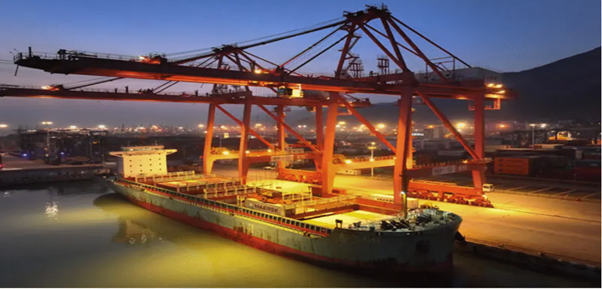
Credit: INP-WealthPk
Related Articles