



INP-WealthPk

Monsoon rains push vegetable prices in Punjab to new heights
September 02, 2026
By Muhammad Luqman
Recent successive spells of monsoon rains across Punjab have disrupted vegetable supplies to the province’s markets, triggering a sharp surge in prices and putting consumers under increasing financial pressure.
“Due to rains during July and August, the picking and transportation of vegetables from farmlands to cities have been drastically disrupted,” said Saddam Athar Khan, Central Information Secretary of the All Pakistan Agricultural Produce Traders Federation (APAPTF).
Talking to Wealth Pakistan, he said the number of trucks arriving at vegetable markets had halved due to reduced harvesting and crop damage caused by torrential rains and hailstorms. Moreover, heavy monsoon downpours had damaged rural roads and delayed trucks transporting fresh produce to major hubs such as Lahore, he added.
The widening gap between demand and supply has led to a sharp increase in prices, particularly for kitchen staples such as coriander, chilies, mint, lemons, garlic and onions.
“The price of coriander topped Rs1,000 per kilogram while tomatoes were sold at Rs400 per kg this year due to reduced supplies,” Khan said.
Similar increases were witnessed in the prices of major vegetables such as potatoes, cauliflower, cabbage, bitter gourd, okra, eggplant, tomatoes and peas.
“The prices of vegetables will come down significantly over the next two weeks as the frequency of rains decreases,” Khan said, expressing hope for an improvement in supplies.
He said weak enforcement by government agencies was also contributing to the price hike, as a wide gap persisted between official price lists issued by local administrations and the actual rates charged by retail vendors.
“At times, the difference between the official price and the open-market price exceeds 100%,” Khan said.
According to a horticulture expert, the situation has been aggravated by monsoon rainfall, which is affecting various farming and crop operations across Punjab.
“Climate change is a primary driver behind the decrease in vegetable production in Punjab and is responsible for a substantial share of yield losses,” said Ghazanfar Hammad, Director of the Vegetable Research Institute (VRI), Faisalabad.
Talking to Wealth Pakistan, he said rising temperatures, unseasonal heatwaves and erratic rainfall were disrupting vital crop growth stages such as flowering and maturity.
He said changing agricultural economics, particularly the rising prices of inputs such as seeds, fertilizers and pesticides, had also affected vegetable production in the region.
“Increased production costs, coupled with higher transportation charges, have culminated in a price hike,” Hammad said.
He said guaranteed prices for produce could help farmers achieve sustainable crop production. Kitchen gardening could also help address the issue, but it requires proper knowledge of vegetable cultivation, adequate space and a suitable water supply.
Hammad said tunnel farming could help increase vegetable production, but its success largely depended on market price stability.
“The relatively high cost of tunnel production makes farmers vulnerable to losses when prices fluctuate,” he warned.
Therefore, ensuring stable and remunerative prices is essential for the sustainable adoption of tunnel farming, the VRI director concluded.
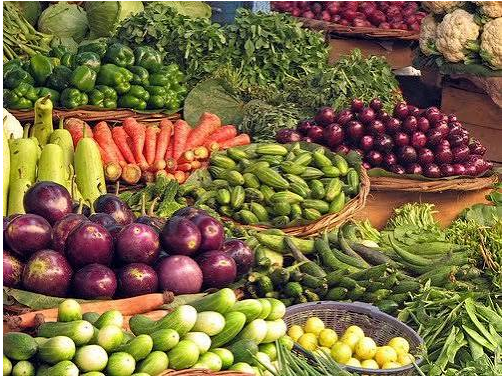
Credit: INP-WealthPk
Related Articles