




INP-WealthPk

Pakistan can unlock mineral wealth by learning from China's mining model
July 23, 2026
By Muhammad Zulqarnain
Pakistan can unlock the potential of its vast mineral wealth by drawing on China's integrated approach to mining sector development, which combines value addition, technological modernization and long-term industrial planning, experts said.
Pakistan possesses an estimated $8 trillion worth of untapped mineral resources, including copper, gold, coal, lithium, rare earth elements, iron ore, gemstones and industrial minerals. Despite this immense geological wealth, the mining sector contributes only around 1% to the country's gross domestic product (GDP), while mineral exports remain below $1 billion, accounting for nearly 3% of national exports.
Experts said shifting from raw mineral extraction to value-added processing, supported by policy reforms, technology transfer and foreign investment, could significantly boost Pakistan's exports, industrial competitiveness and employment.
Speaking to Wealth Pakistan, Madeeha Qureshi, Research Economist at the Pakistan Institute of Development Economics (PIDE), said the recently introduced Pakistan National Mineral Harmonization Framework 2025 marks an important step towards attracting investment by offering investors an 18% rate of return and streamlining policy incentives for the sector.
She said Pakistan's mining industry continues to face structural challenges, including weak coordination between the federal and provincial governments, policy bottlenecks and the high technological and financial requirements associated with mineral extraction and downstream processing.
"Mining and downstream processing require significant capital, advanced technologies, and specialized expertise. Therefore, foreign investment is critical not only for developing mineral resources but also for facilitating technology transfer and workforce training," she said.
According to Qureshi, the new policy framework encourages both domestic and foreign investors to undertake value-addition activities through tax incentives and regulatory facilitation.
She said Pakistan's cooperation with China in projects such as the Saindak Copper and Gold Mine demonstrates how modern technology, efficient mine management and strategic partnerships can support sustainable mineral development.
"Chinese companies have demonstrated how modernized and structured mining operations, strong safety systems, and effective public-private partnerships can contribute to safe, efficient, and environmentally responsible mining practices," she added.
Qureshi noted that Pakistan's substantial lithium reserves present another opportunity for cooperation with China, a global leader in critical mineral mining and processing. She said stronger collaboration in this area could help Pakistan accelerate industrial development and support long-term economic growth.
Sharing a similar view, Engr Azghar Iqbal, Head of Minerals, Geosciences & Business Development at the Pakistan Mineral Development Corporation (PMDC), said Pakistan has favourable geological conditions for copper, gold, antimony, lead-zinc, chromite, iron ore, rare earth elements, coal, rock salt, gemstones and several industrial minerals. More than 5,000 mines are currently operating across the country, producing around 75 different minerals.
He said projects such as Saindak, Thar, Duddar and Boya have demonstrated Pakistan's ability to develop internationally scaled mining operations, while Reko Diq and Siah Diq offer significant opportunities for future expansion.
However, he noted that Pakistan's mineral exports remain far below their potential.
"Approximately 66% of mineral exports are processed or semi-processed, but this category includes products such as cement, clinker, blister copper and lead-zinc concentrates. It should not be interpreted as evidence of a fully developed downstream mineral industry," he explained.
Iqbal said China offers Pakistan a broader lesson than simply restricting raw mineral exports or rapidly establishing smelting facilities.
"China developed an integrated mineral-industrial system that combines geological surveys, sustained exploration, mine development, infrastructure, affordable and reliable energy, processing capacity, manufacturing, research, skilled human resources, strategic financing, environmental safeguards, and access to domestic and international markets," he said.
He stressed that Pakistan should prioritise mineral exploration while adopting a phased and commercially viable approach to value addition. Investments in smelting and refining, he said, must be supported by sufficient mineral feedstock, competitive energy prices, technical expertise and market access to ensure long-term sustainability.
Iqbal also highlighted the need for stable and internationally competitive fiscal and regulatory frameworks. Although mineral resources fall under provincial jurisdiction, he said differing royalty structures, licensing procedures, taxes and approval mechanisms continue to create uncertainty for investors.
He said Pakistan should also link mineral development with downstream industries to maximise economic returns. Copper production, for example, can support the manufacturing of cables, engineering products and renewable energy technologies, while rock salt, gemstones and dimension stones offer opportunities for value-added exports through processing, branding and international marketing.
"Pakistan should avoid becoming merely a supplier of unprocessed minerals while most of the value is captured elsewhere," he said.
He added that future international partnerships should combine investment with technology transfer, skills development, local procurement, infrastructure sharing, and responsible environmental and social practices.
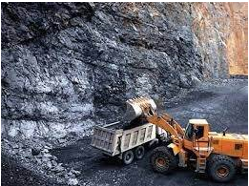
Credit: INP-WealthPk
Related Articles