INP-WealthPk

Pakistan eyes naphtha cracker to cut $6bn chemical import dependence
September 02, 2026
By Muhammad Luqman
Pakistan could significantly reduce its dependence on imported chemicals and develop a stronger domestic petrochemical value chain by establishing a naphtha cracker complex that converts locally available feedstock into higher-value industrial raw materials, industry experts say.
According to industry stakeholders, Pakistan currently imports chemicals worth around $6 billion annually, largely because the country lacks a developed petrochemical industry and, in particular, a domestic naphtha cracker facility.
At the same time, Pakistan exports around one million tonnes of naphtha annually from local refineries, creating an opportunity to process more of the feedstock domestically into higher-value petrochemical products required by plastics, textiles, packaging, pharmaceuticals and other manufacturing industries.
“The first-ever feasibility study on naphtha cracking and aromatics production in Pakistan was conducted in 1965. But this project has never been executed over the last 60 years,” Syed Nabeel Hashmi, President of the Pakistan Chemical Manufacturers Association (PCMA), told Wealth Pakistan.
He said the Technology Upgradation and Skill Development Company (TUSDEC) had recently developed a Concept Paper for a Naphtha Cracking Complex (NCC) and shared it with the Ministry of Industries and Production, which subsequently forwarded it to the Planning Commission.
TUSDEC had also developed a PC-II proposal for conducting a formal feasibility study, he said, adding that the study could provide a basis for seeking government and multilateral financing or attracting international partners for joint ventures.
Hashmi said an important advantage for Pakistan was the local availability of feedstock, with the country exporting around one million tonnes of naphtha annually produced by domestic refineries.
He said the exported naphtha was used by chemical companies abroad as feedstock for their crackers, while Pakistan subsequently imported higher-value chemicals and industrial inputs.
“This means that Pakistan is wasting a very valuable feedstock, naphtha, for nominal foreign exchange earnings and spending billions on imports of chemicals derived from the same naphtha,” he said.
Developing domestic processing capacity, he said, could allow Pakistan to retain more value within the economy while providing locally produced raw materials to plastics, textiles, packaging, pharmaceuticals and other downstream industries.
Chemicals and materials produced through a naphtha cracker and associated downstream facilities could include polyethylene, polypropylene, para-xylene, ethylene glycol and several other important petrochemical products, he added.
Hashmi said major regional economies, including China, India and Iran, had developed integrated refining, olefins, polymers and downstream industrial clusters, strengthening the competitiveness of their manufacturing sectors.
“This indecision has a measurable cost, including foreign-exchange exposure, supply disruptions, lost industrial learning and a downstream plastics sector that must compete internationally without a domestic base for some of its most important molecules,” he said.
Despite the delay, Hashmi said Pakistan still had an opportunity to establish such an industrial base.
“Pakistan has lost decades, but has not lost the opportunity,” he said.
“We have a large domestic market and deep entrepreneurial capability in plastics conversion,” the PCMA president added.
The potential benefits could also extend to the pharmaceutical industry, where greater availability of domestically produced chemical inputs could reduce reliance on imported raw materials.
Dr Irfan Jamil, a Saudi Arabia-based pharmaceutical researcher and chemical scientist, told Wealth Pakistan that local production of several solvents could help minimise the pharmaceutical industry's dependence on imported raw materials.
He said Pakistan's pharmaceutical industry needed to become more research-oriented and make greater use of locally available raw materials.
According to Dr Jamil, naphtha cracking could provide foundational hydrocarbons that downstream chemical facilities could transform, after appropriate processing to pharmaceutical-grade standards, into inputs used for active pharmaceutical ingredients (APIs), medical packaging materials, excipients and industrial solvents.
He said developing such downstream capabilities could help strengthen linkages between Pakistan's petrochemical and pharmaceutical industries, reduce dependence on imported industrial inputs and provide a stronger domestic raw-material base for future manufacturing growth.
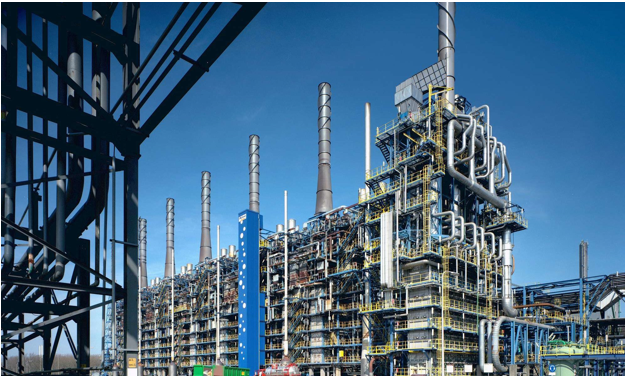
Credit: INP-WealthPk
Related Articles