


INP-WealthPk
Pakistan focuses on market diversification as ME tensions hit mango exports
May 07, 2026
By Azeem Ahmed Khan
Pakistan has stepped up efforts to protect its mango exports amid disruptions caused by the ongoing Middle East conflict, adopting coordinated measures to sustain trade flows.
According to an official document of the Ministry of National Food Security and Research available with Wealth Pakistan, the conflict has disrupted key sea and air routes, raised freight costs, delayed shipments, and caused port congestion, while border closures have also affected land routes to Afghanistan and Central Asia, likely reducing export volumes.
In response, the Department of Plant Protection (DPP), Ministry of Commerce, and Trade Development Authority of Pakistan are working jointly to ensure phytosanitary facilitation, explore alternative routes, improve freight arrangements, and support exporters. Efforts are also underway to diversify markets towards Central Asia, Russia, and East Asia, alongside strengthening Pest Risk Analysis (PRA), protocols, and treatment facilities.
The DPP continues to facilitate exports through efficient certification, compliance with international sanitary and phytosanitary standards, and expansion of treatment and cold chain infrastructure to meet high-end market requirements, the document said.
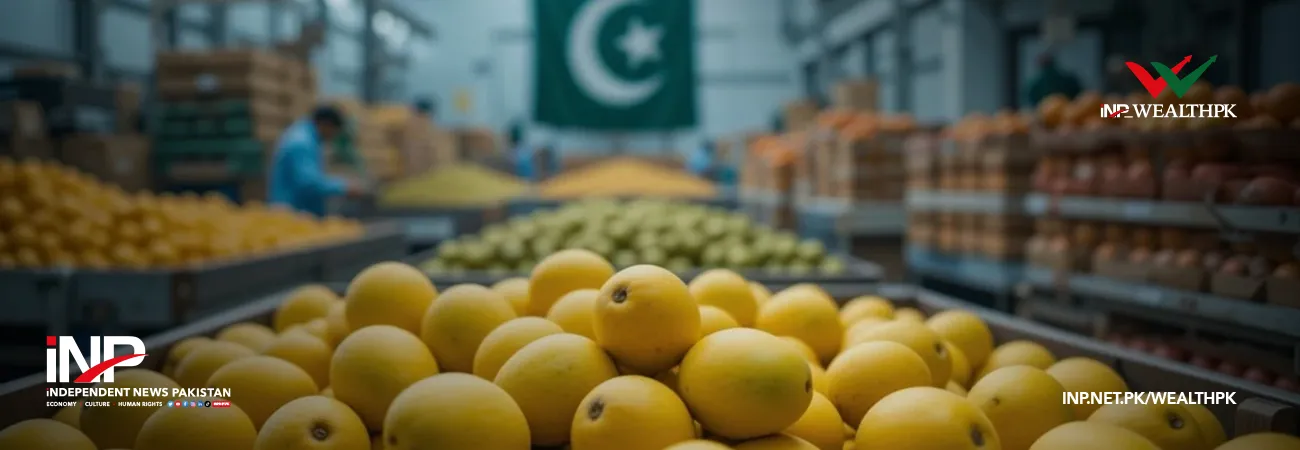
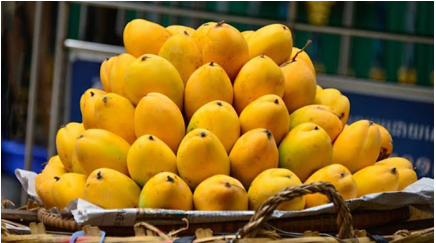
Mango, Pakistan’s second-largest fruit crop, is exported to 70 countries, with the country ranking sixth in production and fourth in exports globally. However, shipments declined by 12.5% to 116,011 metric tons (MT) in 2025 from 132,587 MT in 2024 due to lower production, adverse weather, and geopolitical disruptions, particularly in the Middle East and Iran.
The Middle East remains the largest market, followed by Afghanistan, while Europe accounts for 3-5% and East Asia markets 2-3%, but they offer higher value. Exports to Iran dropped significantly, while shipments to the UAE and Afghanistan remained stable, and new markets such as Iraq emerged, reflecting gradual diversification.
Pakistan has established a comprehensive export facilitation system, including 356 registered orchards, certified pack houses, and approved treatment facilities such as Hot Water Treatment (HWT), Vapour Heat Treatment (VHT), and irradiation plants. In 2025, 22 HWT plants were approved for exports to Iran, while quarantine facilities operated on a 24/7 basis to ensure timely certification.
Strict monitoring, traceability, and compliance with bilateral phytosanitary protocols have ensured smooth exports, with no major non-compliance reported in the last season.
Phytosanitary requirements vary across markets, with HWT required by such economies as Iran, China, South Korea, and the European Union, VHT by Japan, and irradiation by Australia, while the United States requires fungicidal treatment. Exports to Canada, the United Kingdom, and most Middle Eastern countries are generally allowed without mandatory treatment, subject to inspection and certification.
Credit: INP-WealthPk
Related Articles