


INP-WealthPk
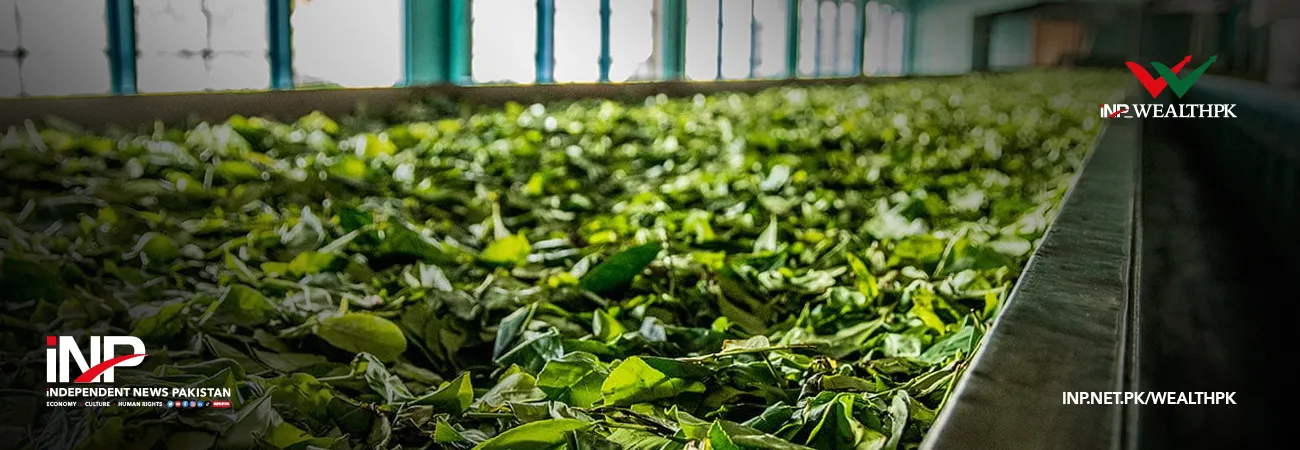
Pakistan prioritizes orthodox, green tea production with ISO and EU-compliant quality standards
December 13, 2025
Qudsia Bano
Pakistan’s emerging tea development strategy prioritizes the production of orthodox and green teas supported by internationally recognized quality and safety standards, as the country positions itself toward high-value specialty markets rather than competing in low-priced commodity segments, according to a strategy document prepared under the FAO Technical Cooperation Programme.
The report, available with Wealth Pakistan, notes that Pakistan’s climatic and geographic conditions are more suitable for orthodox-style teas—such as those produced in Nepal, Darjeeling and Sri Lanka—than for conventional CTC varieties. Because orthodox teas command higher prices and require smaller production volumes, the strategy positions them as the most viable entry point for Pakistan’s tea industry during its early stages.
According to the document, orthodox black tea and pan-fired green tea have been selected as the initial focus categories due to their compatibility with Pakistan’s terrain and germplasm. The P3, P5, P7 and P8 clones, originally trialed in earlier decades, have shown favourable characteristics for premium black tea when cultivated in KP’s cooler upland zones. For green tea, the Qimen variety currently maintained at NTHRI is identified as technically suitable for processing into pan-fired styles preferred in regional markets.
A central requirement in the strategy is adherence to ISO 3720:2011, the international standard for black tea quality. The document notes that Sri Lanka uses the same benchmark for its national Lion Logo certification, and that Pakistan aims to adopt a similar quality framework to ensure consistency, market credibility and export readiness.
Beyond ISO requirements, the strategy mandates strict compliance with agricultural chemical residue limits, microbiological safety parameters and moisture thresholds. The report recommends aligning Pakistan’s standards with the European Union’s Maximum Residue Limits (MRLs), which are among the most stringent globally. According to the document, early compliance with EU standards will not only safeguard domestic consumers but also prepare Pakistani teas for entry into high-value foreign markets.
The strategy outlines several foundational quality requirements that growers must follow, including proper land preparation and contour planting, standardized spacing and planting techniques, maintenance of soil health and shading systems, adherence to plucking standards, aiming for at least 70% fine leaf content, controlled use of inputs and fertilizers and proper pruning cycles to optimize plant structure and yield.
These standards will be enforced through a centralised extension system, which the report states is essential to ensure uniformity across smallholder, cluster and plantation models.
According to the strategy document, Pakistan’s approach is designed to avoid the pitfalls of entering the global tea market as a bulk commodity supplier. The document warns that Pakistan cannot compete on cost with established tropical producers and therefore must rely on quality differentiation and value addition.
The report also emphasises the importance of producing clean, well-rolled leaf with consistent particle size and minimal fibre—characteristics required to meet buyer specifications. It notes that machinery selection will be critical, with China identified as a preferred source for green tea processing equipment and Sri Lanka and Turkey recommended for black tea machinery due to their experience with orthodox manufacturing.
To support this transition, the strategy calls for small, flexible processing units located near cultivation zones. These units will allow processors to switch between orthodox and green tea production depending on seasonal conditions and market demand.
The document states that aligning Pakistan’s production system with international standards is necessary to attract private-sector participation, ensure product credibility and enable the country to establish its own identity in global specialty tea markets.
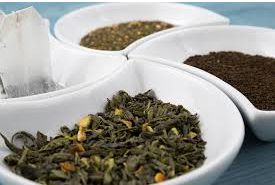
Credit: INP-WealthPk
Related Articles