




INP-WealthPk

Pakistan’s population may near 390 million by 2050, raising pressure on economy
June 03, 2026
By Ayesha Saba
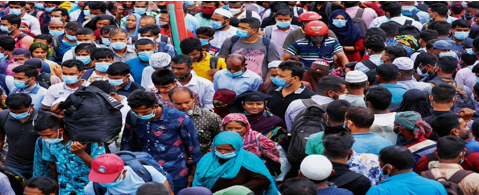
Pakistan’s population could approach 390 million by 2050 under current demographic trends, significantly increasing pressure on jobs, infrastructure, healthcare and public finances, according to new national population projections prepared by the National Institute of Population Studies, Training and Research (NIPST&R).
The report projects Pakistan’s population to rise from 241.5 million in 2023 to 389.9 million by 2050 under the slow fertility decline scenario. Even under a faster fertility decline path, the population is still expected to reach 371.9 million by 2050.
The projections are based on the 2023 Digital Census and were developed with technical support from the United Nations Population Fund (UNFPA).
Punjab is expected to remain the country’s largest province by population, rising from around 128 million in 2023 to nearly 200 million by 2050. Sindh’s population is projected to increase from 56 million to 91.2 million, while Khyber Pakhtunkhwa could rise from 40.8 million to 67.6 million.
Islamabad is projected to witness one of the sharpest increases because of continued urban migration. The capital’s population may nearly triple from 2.4 million to 6.5 million by 2050.
The report indicates that population growth is likely to place increasing pressure on housing, schools, transport networks, electricity, water and healthcare systems over the next 25 years.
Pakistan’s working-age population is also projected to expand rapidly, rising from 135.2 million in 2023 to 255.4 million by 2050.
At the same time, the elderly population aged 65 and above is expected to increase from 8.6 million to 22.6 million, adding pressure on healthcare and social protection systems.
The projections suggest Pakistan will continue facing strong demographic momentum even if fertility rates decline gradually in coming years.
The report stresses that future population trends will depend heavily on improvements in education, women’s healthcare and family planning access.
Credit: INP-WealthPk
Related Articles