

INP-WealthPk
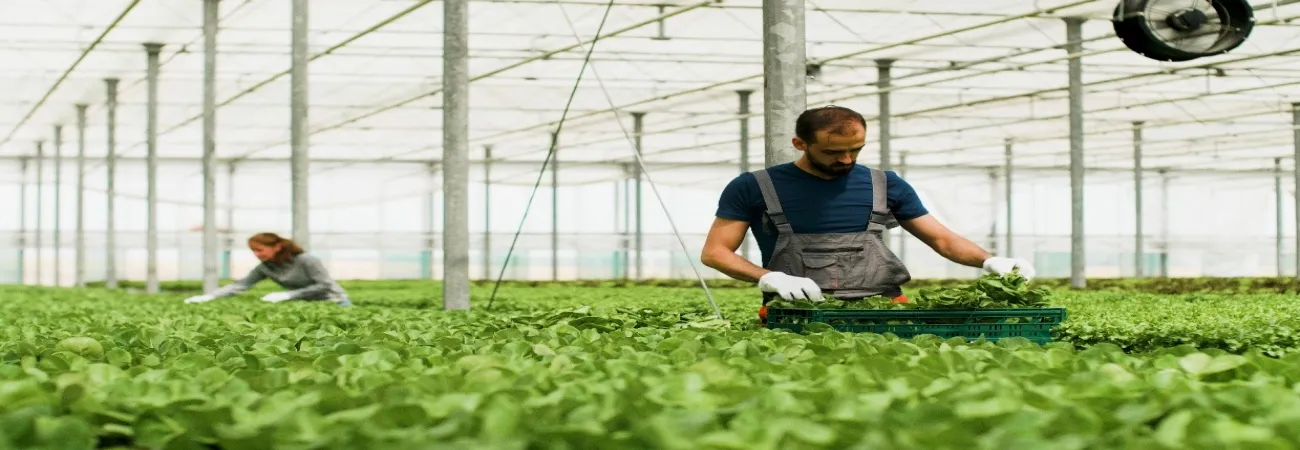
Shrinking food aid funding deepens global hunger and food security challenges
November 11, 2026
By Muhammad Ammar
Declining international food-security funding, rising agricultural input costs and worsening climate-related disruptions are compounding global hunger pressures. This is particularly true for developing economies already struggling with debt, conflict and fiscal constraints.
The 2026 Global Hunger Index highlights a widening gap between humanitarian needs and available funding, warning that reduced investment in food security and crisis preparedness could increase the vulnerability of millions of people to hunger and malnutrition.
According to the peer-reviewed index, published on October 14 by Welthungerhilfe, the Institute for International Law of Peace and Armed Conflict (IFHV) at Ruhr University Bochum and Helvetas, food-security funding in crisis-affected countries fell in 2025 to levels last recorded in 2016–2017.
Citing the Global Report on Food Crises 2026, the index notes that only $10.55 billion of the $29 billion required for food security and nutrition in crisis contexts had been received by the end of October 2025, leaving a funding shortfall of approximately $18.45 billion.
The report also records the first reversal in the long-term decline in global hunger since 2000, underscoring the growing challenges facing international efforts to improve food security.
Mathias Mogge, Secretary General and CEO of Welthungerhilfe, warned that falling investment in food security and crisis preparedness could lead to larger humanitarian emergencies and greater instability in the future.
The report contrasts record military spending in 2025 with two consecutive years of declining development aid, arguing that food security should be treated as an essential component of lasting peace and stability.
"If security is to be lasting, food security must be at its foundation," the report's foreword states.
The funding reductions are particularly significant for countries already experiencing severe hunger. Nearly 44% of the previous year's decline in humanitarian aid affected Yemen, the Democratic Republic of the Congo, Somalia, Afghanistan and South Sudan.
Conflict was responsible for acute food insecurity affecting 147.4 million people in 2025, while the report warns that severe funding reductions could contribute to an additional 5.4 million deaths among children under five.
Rising food and agricultural input prices are adding to these pressures.
The FAO Food Price Index averaged 136.0 points in September 2026, an increase of 5.8% year-on-year and its highest level since November 2022. Cereal prices increased by 17.2% and vegetable oil prices by 18.3%, while meat prices eased.
Fertiliser supplies remain particularly exposed to international trade disruptions, as approximately one-third of seaborne fertiliser trade passes through the Strait of Hormuz. The World Bank projects a 60% increase in urea prices this year.
The World Food Programme estimates that acute hunger could affect an additional 45 million people, while the report expects food prices to peak in late 2026 or early 2027 as a very strong El Niño threatens drought across South Asia, the Sahel and Southern Africa.
South Asia faces particular challenges due to its high concentration of undernourished people, dependence on imported agricultural inputs and exposure to climate-related disruptions.
The region accounts for roughly one-third of the world's undernourished population and has the highest child wasting rate of any region, while several South Asian economies depend heavily on imported fuel and fertiliser.
Miriam Wiemers, Senior Policy Advisor at Welthungerhilfe, told Wealth Pakistan that rising import costs were placing additional pressure on net food-importing countries already facing declining international assistance.
"As foreign aid budgets shrink, governments must absorb massively inflated food, shipping, and input import bills using national reserves," she said.
Wiemers explained that these pressures could drain foreign exchange reserves, weaken currencies and limit governments' ability to maintain social safety nets.
Higher agricultural input costs could also force small farmers to reduce fertiliser use, increasing dependence on volatile international grain markets and raising the risk of child malnutrition.
Climate-related disruptions are further complicating food-security challenges across the region.
Dr Abid Hussain, Food Systems Economist at the International Centre for Integrated Mountain Development (ICIMOD), said climate change had become a climate crisis in South Asia, affecting agricultural production and food distribution through both gradual environmental changes and sudden disasters.
He said shifting rainfall patterns, rising temperatures, glacier melt, drying springs and droughts were weakening food systems, while floods, glacial lake outbursts and landslides could destroy farmland and disrupt roads and supply chains.
Hussain pointed to repeated floods in Pakistan and a rock–ice avalanche that triggered devastating floods in Nepal during August and September 2026, warning that such events were likely to become more frequent.
He explained that agricultural damage could drive up food prices while simultaneously cutting household incomes in affected areas, undermining families' ability to afford diverse and nutritious diets.
Climate pressures are also accelerating rural migration and changing agricultural practices.
According to Hussain, approximately 40% of households in South Asia's mountain areas have at least one migrant, shifting agricultural responsibilities towards women and older people and contributing to the abandonment of farmland.
He also highlighted declining cultivation of traditional nutritious cereals. The share of millets, sorghum and barley in the region's cereal production fell from 10% in 1990 to 3.2% in 2020.
Hussain called for adequate climate financing and greater diversification of food production to strengthen agricultural resilience, particularly in countries vulnerable to climate shocks.
"Pakistan's heavy reliance on wheat as a staple food and principal cereal crop makes its food security highly vulnerable to climate-related disruptions, price volatility, and economic shocks," he said.
The Global Hunger Index also emphasises that hunger should be recognised as a security challenge rather than treated solely as a humanitarian concern.
Wiemers said governments should integrate food and nutrition security into national security strategies and crisis-preparedness plans, while international donors should halt and reverse funding reductions and provide predictable, multiyear assistance.
The findings suggest that sustained investment in food systems, climate resilience and crisis preparedness will be essential to preventing further deterioration in global hunger, particularly as developing economies face simultaneous pressures from higher food prices, declining aid and environmental disruptions.
Strengthening food security as part of broader development and security planning could help vulnerable countries protect agricultural livelihoods, maintain essential nutrition programmes and reduce their exposure to future economic and climate shocks.
Credit: INP-WealthPk
Related Articles