i BLOGS
Pakistan Faces Fuel Supply Concerns Amid Rising Middle East Tensions: Government will review Petrol Prices every 7 daysBreaking
March 09, 2026
Pakistan is closely monitoring its fuel supply situation as tensions in the Middle East threaten global oil shipments. Petroleum Minister Ali Pervaiz Malik recently announced that three petrol cargoes are expected to arrive in Pakistan by Monday, which should help maintain short-term fuel availability in the country.
A high-level meeting was held between Sindh Chief Minister Murad Ali Shah, Finance Minister Muhammad Aurangzeb, and Petroleum Minister Malik to review how the regional conflict could affect Pakistan’s energy sector and economy. Officials discussed the possibility that global crude oil prices could rise to $120 per barrel if the situation in the Middle East worsens. Such an increase could significantly impact Pakistan’s finances.
According to the finance minister, if oil prices continue to climb, Pakistan’s monthly oil import bill may increase by around $600 million, putting pressure on the country’s foreign exchange reserves. To deal with the situation, the government is preparing contingency plans and considering emergency energy conservation measures to ensure that fuel supplies last longer.
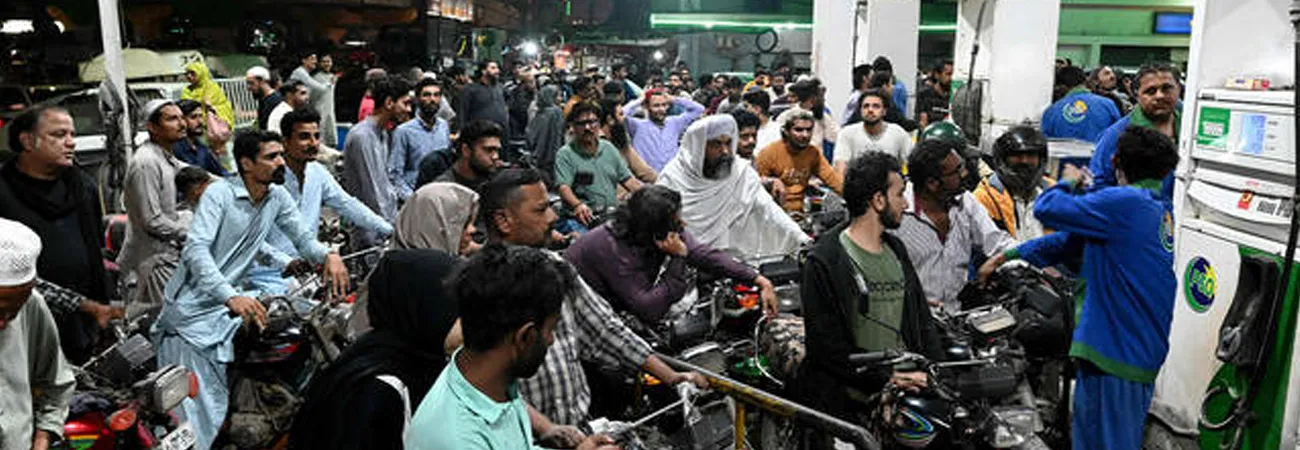
Officials also warned about the risk of petrol hoarding at fuel stations. To prevent shortages, the federal and provincial governments are planning to create a joint monitoring dashboard to track fuel stocks and supply across the country.
Energy concerns have also increased after Qatar declared force majeure, which could disrupt liquefied natural gas (LNG) shipments. Meanwhile, Pakistan has intensified diplomatic discussions with Saudi Arabia, Oman, and the United Arab Emirates to explore alternative fuel supply routes outside the Strait of Hormuz, which Iran reportedly closed following recent US and Israeli airstrikes.
Domestically, the government has already raised petrol and diesel prices by Rs55 per litre (about 20%), causing a sharp rise in transportation costs and the prices of everyday goods. Residents across the country report higher fares and increased costs for fruits, vegetables, and other essentials, further adding to the public’s financial burden.
The government says it will continue working with international partners and financial institutions, including the International Monetary Fund, to reduce pressure on consumers while ensuring energy security and economic stability.
Credit: Independent News Pakistan (INP)
Related News