


i BLOGS
PM Shehbaz Introduces 4-Day Work Week and Work-From-Home Policy to Tackle Fuel CrisisBreaking
March 10, 2026
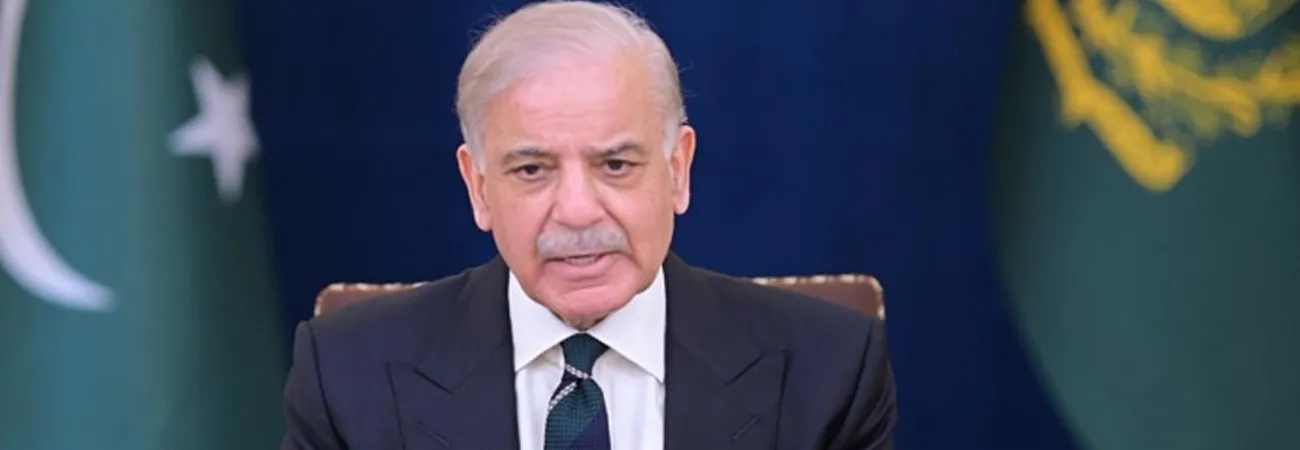
Pakistan has announced a series of strict austerity measures to deal with a growing fuel shortage and economic pressure caused by the ongoing Middle East crisis. Prime Minister Shehbaz Sharif addressed the nation and outlined several temporary steps aimed at conserving energy, reducing government spending, and stabilizing the economy.
One of the most significant announcements was the introduction of a four-day work week for government offices. In addition, 50% of employees in both the public and private sectors will work from home, except those in essential services. This policy will remain in effect for the next two months. However, banks, industries, and the agriculture sector will continue their normal operations because of their importance to economic activity.
To further reduce fuel consumption, the government will cut fuel allocations for official vehicles by 50%, while 60% of government vehicles will be taken off the roads. Ambulances will remain exempt from these restrictions.
The government has also introduced several financial austerity measures. Federal ministers, advisers, and special assistants will not receive salaries for two months, while members of parliament will face a 25% salary reduction. Senior government officers in Grade 20 and above who earn more than Rs300,000 per month will have two days’ salary deducted to support public relief efforts.
Other cost-cutting steps include a ban on the purchase of new government vehicles, furniture, air conditioners, and other equipment. Foreign trips by ministers and officials have also been restricted, except when required for national interests. Official dinners, Iftar parties, and expensive events in hotels have been banned, and government meetings will increasingly be held online.
In the education sector, schools will close for two weeks, while universities will shift to online classes. The government has also warned petrol hoarders and profiteers that strict legal action will be taken against anyone trying to exploit the situation.
These measures aim to reduce fuel consumption, control government spending, and help Pakistan manage the economic challenges created by the regional conflict.
Credit: Independent News Pakistan (INP)
Related News