



i BLOGS
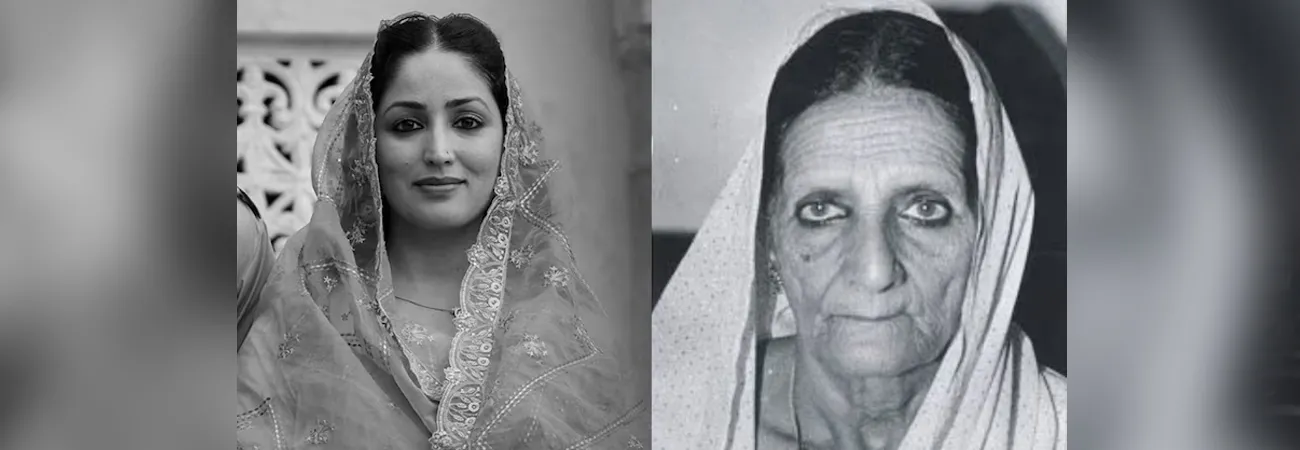
The real story of “Haq” Movie: How the landmark ‘Shah Bano’ Divorce case changed the way India looked at JusticeBreaking
January 07, 2026
Imagine being left alone, abandoned by the person you trust the most, and told the law can’t help you. This is the reality Shah Bano faced in 1978, a mother of five, denied support after her husband divorced her through instant triple talaq.
Born into a modest life, Shah Bano married Mohammad Ahmad Khan, a respected lawyer in Indore, in 1932. Together they raised five children, three sons and two daughters and lived what seemed to be a predictable quite life.
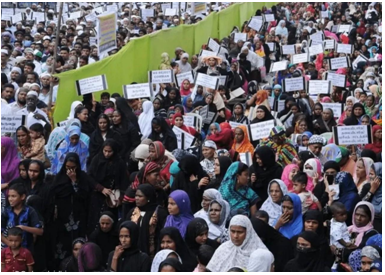
Shah Bano was a very simple woman with a beautiful nature. She had turned her home into a paradise. Her husband’s boundless love had made her shine even more, and in that paradise, she was always smiling and living a life full of joy. For 14 years, life seemed predictable but then khan took a second younger wife. Shah Bano and her children were asked to leave the home and the modest Rs 200 monthly allowance he has promised vanished, leaving her unsure how she would survive. Alone and broken, Shah Bano had a choice: remain silent or demand justice. She chose the latter, filing a petition in 1978 under Section 125 of CrPC a law that ensures no one should be left destitute, regardless of religion.
Khan’s response was to pronounce an instant triple talaq, claiming his duty ended after the iddat period. The All-India Muslim Personal Law supported him, insisting courts could not interfere in matters governed by religious law. But Shah Bano’s struggle was not just about money. It challenged centuries of inequalities that left women powerless once husbands walked away. Her courtroom fight went on to stir debates across India about religion, law and women’s rights.
In 1985, the Supreme Court ruled in her favor. It declared that Section 125 applied to all citizens, ensuring that divorced women unable to support themselves were entitled to maintenance and that moral duty could not be overridden by religion.
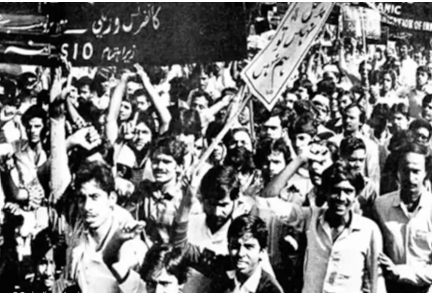
The verdict sparked protests from conservative groups. In response, the government passed the Muslim Women act, 1986, which limited maintenance to the iddat period. But her lawyer challenged this new law. The Supreme Court reaffirmed that a husband’s obligation could not be restricted to a short period, preserving the spirit of Shah Bano’s original victory.
Shah Bano passed away 1992 but her fight didn’t go in vain. Her case set a powerful precedent, ignited a national conversation on the rights of women and inspired a new generation to stand up for them
Credit: Independent News Pakistan (INP)
Related News