


i BLOGS
Iran Launches New Missile Wave at IsraelBreaking
March 06, 2026
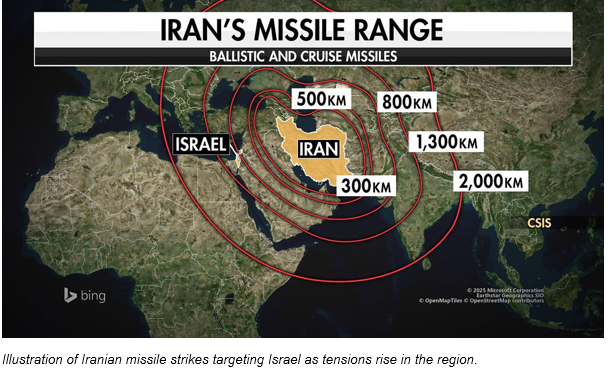
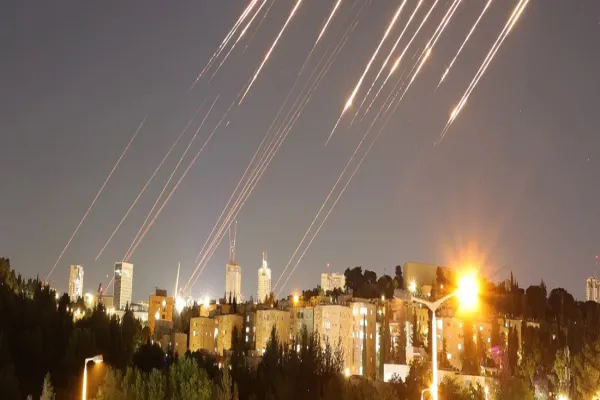
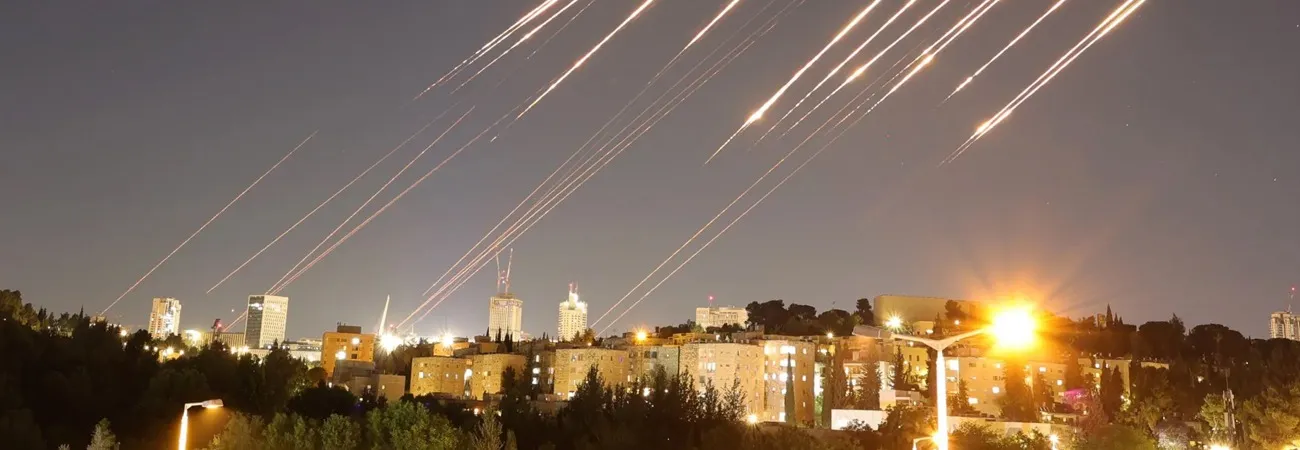
“We will not surrender,” Hezbollah leader Naim Qassem declared in his first speech since the latest round of fighting broke out. Early Thursday morning, Iran launched many missiles toward Israel, forcing millions of Israelis to take shelter in bomb shelters. Explosions were reported in Jerusalem after warnings of incoming missiles. However, Israeli emergency services later said there were no confirmed casualties from the attack.
At the same time, explosions were also reported in Iran’s capital, Tehran. Iranian media stated that the country activated its air defense systems in response to possible threats. These developments show that the conflict is not limited to one area and that both sides remain on high alert.
In Washington, political debate over the war is also intensifying. The US Senate voted against a proposal that aimed to stop the ongoing air campaign against Iran and require congressional approval for military action. The vote ended 53 to 47, largely along party lines. As a result, President Donald Trump continues to have broad authority to direct the military campaign.
Meanwhile, fighting has spread to neighboring Lebanon. Israeli air strikes targeted areas in south Beirut that are known strongholds of Hezbollah. Before the attack, Israel warned residents to evacuate the area. Hezbollah leader Naim Qassem responded strongly, saying his group would continue to fight and defend itself, even if it required the ultimate sacrifice. According to Lebanese officials, at least 72 people have been killed, hundreds wounded, and more than 80,000 residents displaced since the fighting escalated earlier this week.
The conflict has also started to affect other countries in the region. Qatar began evacuating people living near the US embassy in its capital as a precaution. Governments from different parts of the world are arranging repatriation flights to bring their citizens home from the Middle East. However, many flights have been delayed or cancelled because commercial air traffic across the region has been heavily disrupted.
In another major development, a US submarine reportedly sank an Iranian warship near Sri Lanka, resulting in at least 80 deaths. In addition, NATO air defenses intercepted and destroyed an Iranian ballistic missile heading toward Turkey. Although Turkey is a NATO member with one of the alliance’s largest militaries, US officials said they do not believe this incident will trigger NATO’s collective defense clause.
The war is also affecting global trade and energy markets. Shipping through the Strait of Hormuz, one of the world’s most important oil routes, has been severely disrupted. Around 200 ships are currently waiting near the area, while oil prices have begun to rise due to uncertainty. The US government has promised naval escorts for oil tankers once the situation allows.
Despite the ongoing violence, some reports suggest that diplomatic efforts may still be possible. However, Iranian officials have denied claims that they contacted US intelligence about ending the war. For now, the conflict continues to create uncertainty across the Middle East and around the world.
Credit: Independent News Pakistan (INP)
Related News