


i BLOGS
The U.S. Attack on Venezuela: What You Need to KnowBreaking
January 07, 2026
The Trump administration’s illegal attack on Venezuela had nothing to do with drug trafficking or democracy. It was about control over resources — plain and simple.
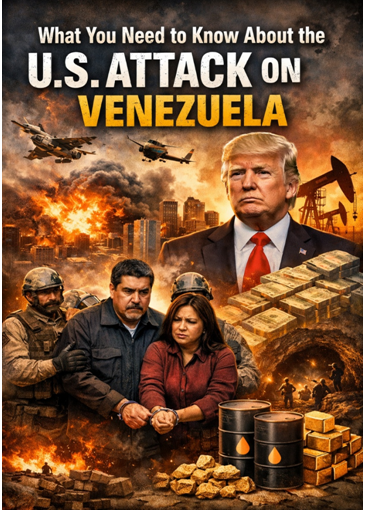
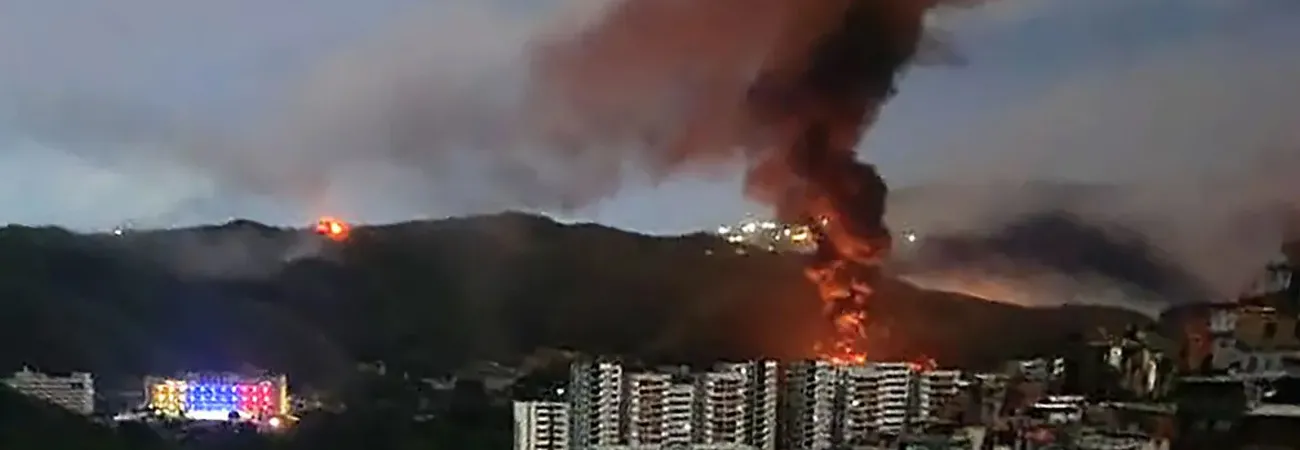
On January 3, U.S. military forces bombed Venezuela’s capital city and abducted President Nicolás Maduro and his wife, Cilia Flores. This was an illegal and unprovoked act of war against a sovereign nation and marked a dangerous escalation in U.S. policy toward Latin America.
Under both U.S. and international law, this was an illegal act.
The U.S. Constitution is very clear: only Congress has the authority to declare war. The president does not have the legal power to launch a war on his own. Yet this attack was carried out without congressional authorization.
It also violates Article 2 of the United Nations Charter, which explicitly protects the sovereignty of nations and prohibits the use of force against them. Venezuela posed no imminent threat to the United States that could justify military action under international law.
Many analysts — including international law scholars, human rights advocates, and foreign governments — argue on this.
U.S. President Donald Trump is “bypassing...international law, he is bypassing Venezuelan law, and he doesn’t seem to give a damn about what people of Venezuela really think or want,” said Sultan Barakat, senior professor at College of Public Policy at Qatar’s Hamad Bin Khalifa University.
“The world community must make clear that US intervention in Venezuela is a violation of international law that makes the world less safe,” the Office of the United Nations High Commissioner for Human Rights said on Tuesday.
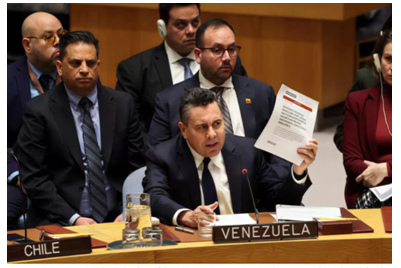
"The international community needs to come together with one voice to insist on that," chief spokesperson for the Office, Ravina Shamdasani, told reporters. Far from being a victory for human rights, the military intervention damages the architecture of international security and makes every country less safe, she said. "It sends a signal that the powerful can do whatever they like," she added.
This assault did not happen in isolation. It followed months of illegal U.S. strikes on boats in the Caribbean and Pacific, attacks that killed over 100 people. These were acts of murder in which victims were denied any form of due process.
So, the real question is: Why did the United States ignore its own laws and international law?
The real reasons are oil, gold, and America’s massive debt crisis.
- Oil: The Largest Reserves on Earth
Venezuela possesses 303 billion barrels of proven oil reserves — the largest in the world by far. That is more than Saudi Arabia, Iran, Iraq, and every Middle Eastern country combined. Almost immediately after Maduro was captured, Trump announced that U.S. oil companies would enter Venezuela and start making money. He openly stated that the United States would now “run the country.”
This was never hidden. The objective was control over Venezuela’s oil.
- Oil as a Weapon Against America’s Debt Crisis
The United States is drowning in debt — $38 trillion and counting. Interest payments on that debt now exceed the U.S. defense budget. Every interest rate hike costs the U.S. hundreds of billions of dollars more in annual interest payments. The American empire is bleeding money.
By flooding global markets with cheap Venezuelan oil, prices could crash to $30–$40 per barrel. Cheap oil kills inflation. With inflation down, the Federal Reserve can cut interest rates. Lower rates could save the U.S. government $300–$400 billion per year in interest payments alone. In this sense, Venezuela’s oil is not just energy — it is a financial bailout for a debt-stricken empire.
- Gold: The Orinoco Mining Arc
Southern Venezuela contains a vast region known as the Orinoco Mining Arc, covering 112,000 square kilometres. The Venezuelan government claims this region holds over 100,000 tons of gold. If true, that would place Venezuela among the top five largest unmined gold reserves on Earth.
This gold is not sitting in vaults. It is still in the ground, much of it controlled by armed groups and smuggling networks, making it an enormous strategic prize.
Credit: Independent News Pakistan (INP)
Related News