


i BLOGS
Basant Returns to Punjab After 25 Years — Now with Strong Safety ControlsBreaking
December 04, 2025
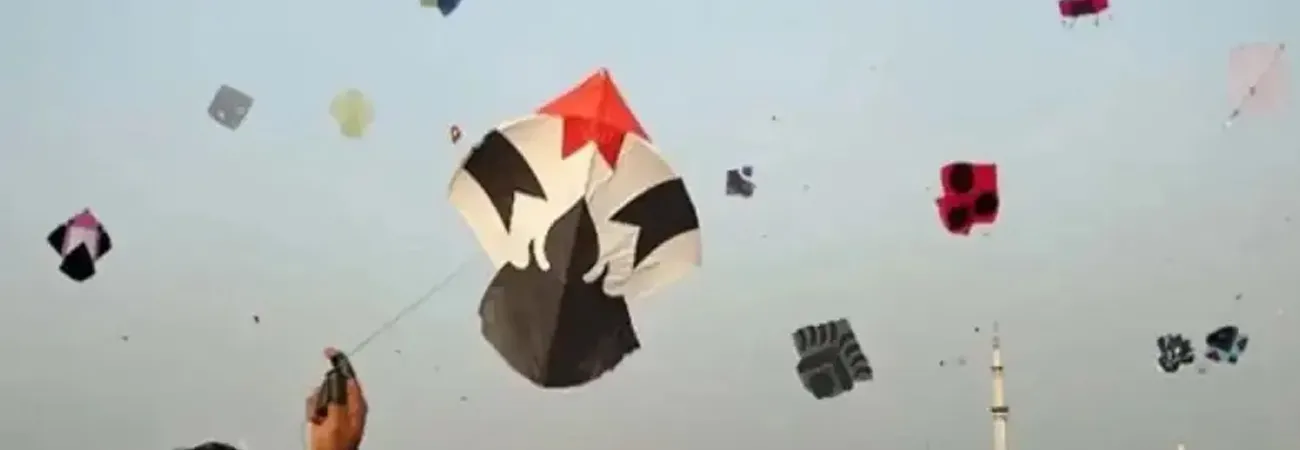
Basant, often described as the festival of joy, once painted Punjab in colours that signalled the arrival of spring. Its vibrant hues told everyone that a new season was on its way. The sky would fill with multicoloured kites, and every household buzzed with excitement, celebration, and togetherness. Rooftops came alive with food, music, and friends practicing their kite-flying skills for the big day.
A deeply rooted Punjabi tradition—celebrated most enthusiastically in Lahore—Basant was more than just a festival; it was an emotion shared across generations. But for the past 25 years, this beloved celebration has remained suspended. A series of tragic accidents, caused largely by dangerous kite strings, turned a joyful cultural event into a public safety crisis. As a result, a festival once synonymous with happiness was forced into silence, leaving behind nostalgia that once defined Punjab’s spring.
kite is not the problem, but the dangerous evolution of the string. The use of metallic wire, nylon cord (tandi), and chemically or glass-coated manjha is strictly illegal. Because these materials caused fatal injuries—especially to motorcyclists.
After a quarter-century of bans, controversies, and public debate, kite flying has officially returned to Punjab. A new ordinance—signed by Punjab Governor Sardar Saleem Haider—has reinstated Basant celebrations across the province, but only under a tightly controlled regulatory framework. The plan focuses on safety through:
- Designated kite-flying zones in open spaces away from traffic
- Strict enforcement of cotton dor only
- Traceable supply chains, including barcoded materials
- Motorcycle safety gear, such as wire guards
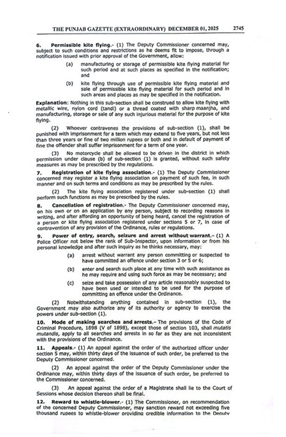
Violations carry severe penalties, including 3–5 years of imprisonment and fines up to Rs2 million. All offences are non-bailable, reflecting the government’s zero-tolerance approach.
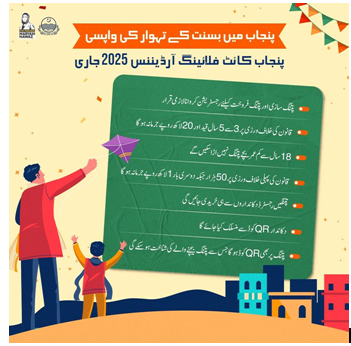
Law enforcement agencies have also been granted expanded powers to search locations and confiscate illegal materials. Meanwhile, to ensure supply-chain accountability, the government has introduced QR-code registration systems for kite makers, sellers, and string manufacturers, with kite-flying associations required to register before participating.
In a major shift, children under 18 are barred from kite flying, with fines of Rs50,000 to Rs100,000 imposed for violations. Additional safety guidelines for motorcyclists aim to prevent the injuries previously caused by stray strings.
If everyone follows the rules and avoids any violations, Basant can once again become a festival of joy and celebration—without the heartbreaking accidents that brought it to a halt in the past.
Credit: Independent News Pakistan (INP)
Related News