i BLOGS
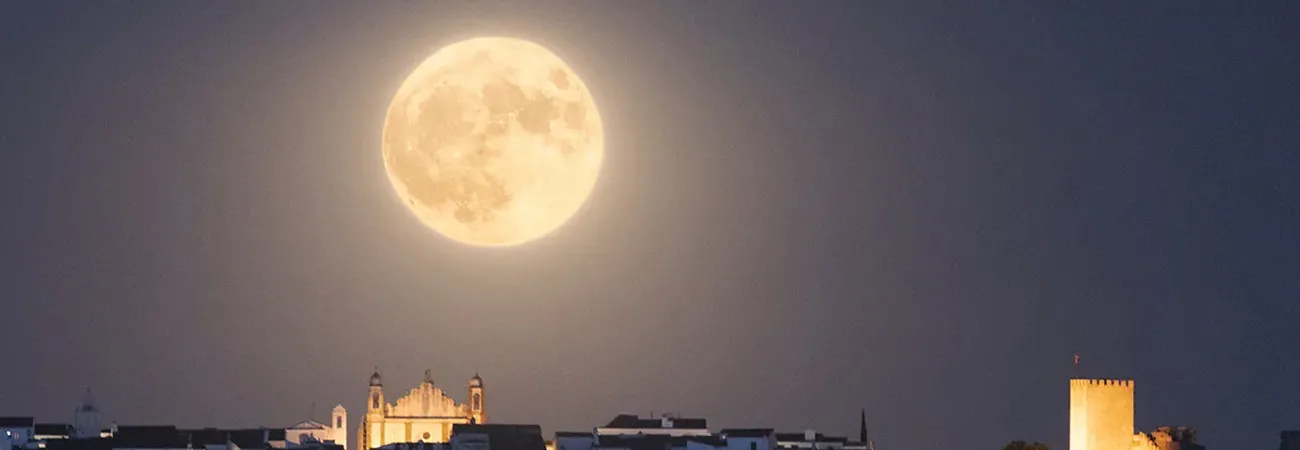
December 4th’s Rare Supermoon Completes the 2025 TrilogyBreaking
December 04, 2025
December 4th’s Rare Supermoon Completes the 2025 Trilogy — and This Rare Event Won’t Repeat Until 2042
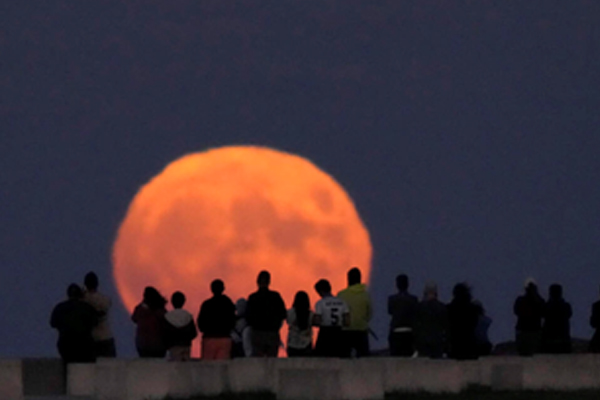
The final Supermoon of 2025, also referred to as the Cold Moon, will make a grand appearance tonight, providing sky watchers in Pakistan with an amazing treat. The Pakistan Space and Upper Atmosphere Research Commission (SUPARCO) has confirmed that this rare lunar event will be visible from the evening of December 4 until the early hours of December 5, offering a stunning celestial show for astronomy lovers.
The Supermoon will appear noticeably larger and brighter than a typical full moon at its brightest point on December 5 at 4:15 AM, according to SUPARCO. The moon will be 7.9% larger and 15% brighter than usual due to its proximity to Earth—just 357,218 kilometres.
The moon will rise at 4:58 PM on December 4, already shining at 99.2% brightness, providing viewers with a sneak peek at the magnificent lunar display. At its peak, the Cold Moon will shine at 99.8% brightness, creating a radiant silver glow across the night sky.
The Third and Final Supermoon of the Year
This Cold Moon marks the third consecutive Supermoon of 2025, making it a special event for those who follow astronomical phenomena. Since Supermoons occur only three to four times a year globally, tonight’s display will be the last chance in 2025 to witness the moon in its most dazzling form.
Due to an infrequent 18.6-year lunar cycle this full moon will rise higher in the Northern hemisphere than any other full moon this year. A moon reaching this altitude will not occur again until 2042.
Astronomers recommend viewing the Supermoon from open spaces with minimal light pollution—such as fields, rooftops, parks, or any area with an unobstructed sky. What's the best? No telescopes or special equipment are needed. With the naked eye, the event is fully enjoyable.
As the final Supermoon of the year rises, Pakistanis can look forward to a peaceful, mesmerizing night illuminated by one of nature’s most captivating sights.
Credit: Independent News Pakistan (INP)
Related News