i BLOGS
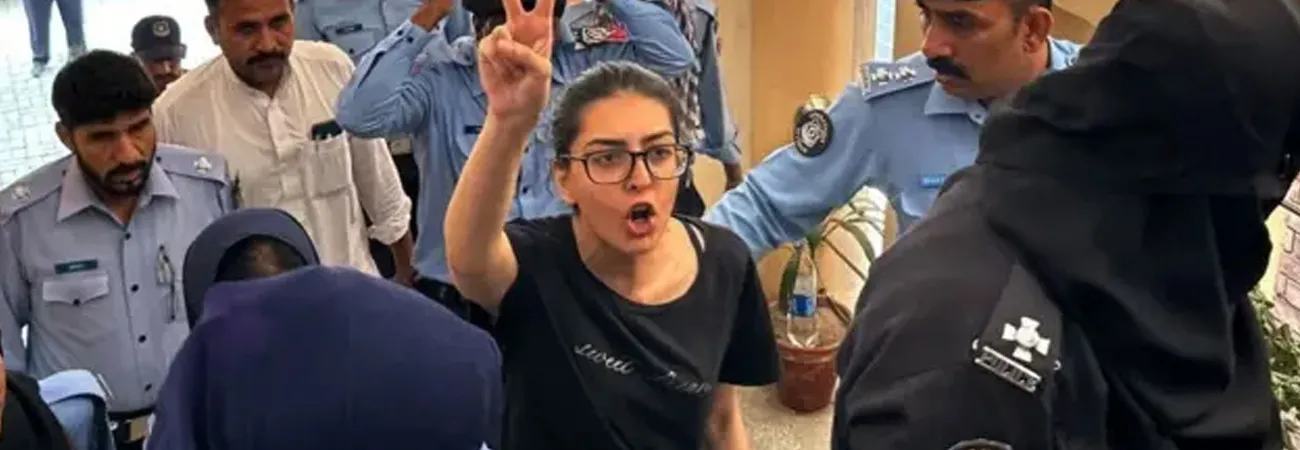
Emaan Mazari’s Family Alleges Harsh Treatment, Denial of Food, and Abuse During CustodyBreaking
January 26, 2026
The sentencing of human rights lawyer Imaan Mazari has raised serious concerns across Pakistan. Mazari is known for speaking openly against powerful institutions and for defending journalists, activists, and minority communities. Her recent conviction has once again brought attention to the limits of free speech and the use of digital laws in the country.
An Islamabad court sentenced Mazari to 17 years in prison under the Prevention of Electronic Crimes Act (PECA). The court said her social media posts were “anti-state” and found her guilty under several sections of the law, including charges related to cyberterrorism and spreading false information.
The case started last year when a complaint was filed with the cybercrime wing of the National Counter Terrorism Authority in Islamabad. Prosecutors argued that Mazari’s online statements broke the law. However, critics say laws like PECA are often used to silence voices that criticize the state.
Digital rights activists have repeatedly warned that such laws are unclear and can be misused. They fear that journalists, lawyers, and activists are being targeted simply for expressing their opinions online.
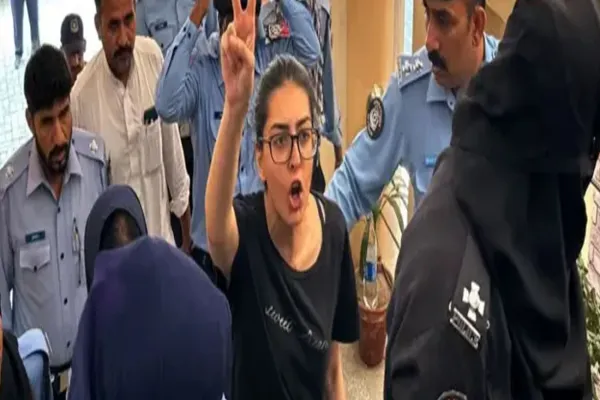
A day after the sentence, Mazari’s family revealed that she is pregnant. This news caused public concern about her health and safety in prison. Her mother-in-law claimed that Mazari was treated harshly during her arrest. According to the family, she was forcefully pushed into a police vehicle and was not given food while in custody. So far, authorities have not responded to these claims.
Many people believe that pregnant women in prison should receive special care. Human rights groups say that regardless of the charges, detainees must be treated with dignity and given proper medical support.
Mazari’s case is not just about one person. It highlights the ongoing struggle between free speech, human rights, and state power in Pakistan. The outcome of this case may affect how activists and lawyers are treated in the future. But the question remains the same: is expressing one’s opinion such a serious crime? Are we free, yet not truly free?
Credit: Independent News Pakistan (INP)
Related News