


i BLOGS
Oil Prices Drop… But Why Are They Still Above $100?Breaking
May 04, 2026
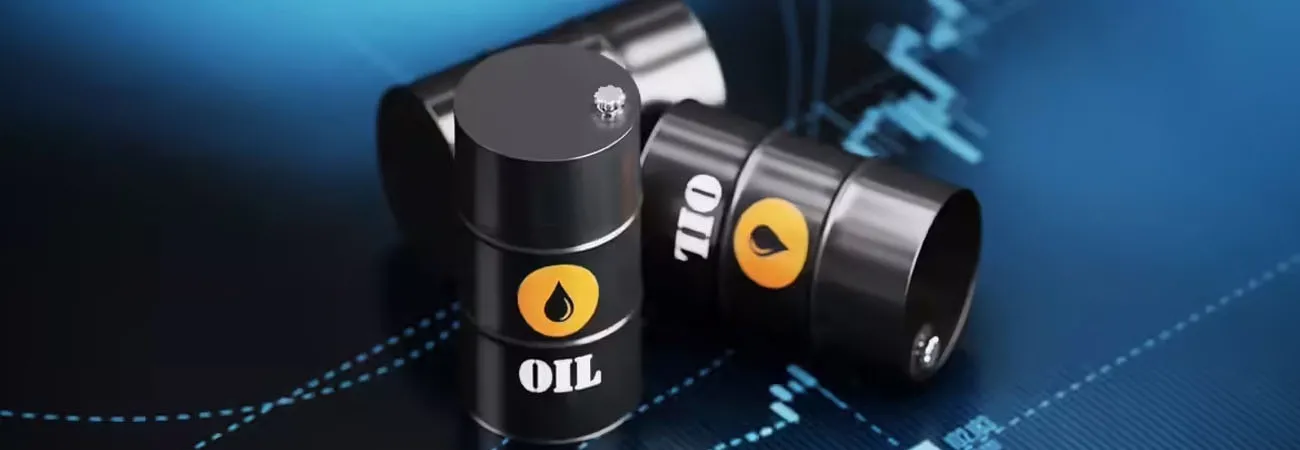
Oil prices dipped slightly on Monday but remained above $100 a barrel amid continuing tensions in the Middle East. Donald Trump’s comments about helping ships in the Strait of Hormuz provided some market relief, but uncertainty is still keeping prices elevated.
Brent crude was around $ 108 a barrel and US West Texas Intermediate (WTI) at around $ 101. Prices have dipped a little but are still well above normal levels.
Why Prices Stay High
The main reason for high oil prices is a supply disruption. The Strait of Hormuz is one of the world’s most important oil routes, with nearly 20% of the world’s oil supply passing through it. Any disturbance in this region quickly impacts global markets.
The US has committed to protecting safe shipping in the area, but it is not clear what deal, if any, the US and Iran have. The two countries are in the middle of negotiations, but they are slow-moving. Iran has said it wants broader issues settled first, including regional conflicts and restrictions on shipping.
The market remains under pressure
However, analysts say oil prices are likely to stay high unless there is a major improvement. Supply concerns, geopolitical risks continue to underpin the market.
The other factor is the decision of OPEC+ to raise oil production slightly. The group said it was raising output by roughly 188,000 barrels a day. But experts say this jump may not do much if supply disruptions in the Gulf region continue. This situation could also impact fuel prices worldwide, affecting everyday consumers.
What to Expect Next
So, the oil market is still uncertain for now. Efforts are underway to stabilise shipping and boost production but without a clear resolution between the US and Iran, prices could remain high or even go higher.
Until the region sees stability return, global oil prices are unlikely to be under less pressure, with uncertainty still driving the market.
Credit: Independent News Pakistan (INP)
Related News