


i BLOGS
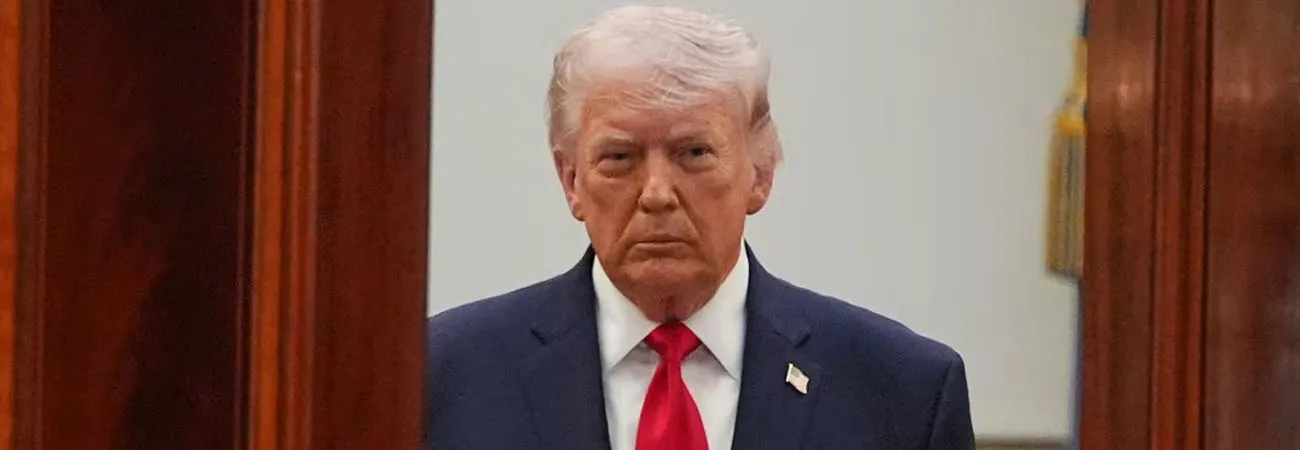
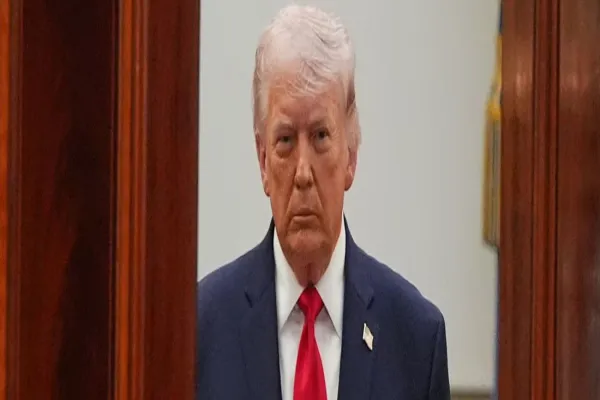
The world is celebrating Easter, Trump is talking nonsense. American senators have declared Trump a dangerous madmanBreaking
April 07, 2026
While people around the world are celebrating Easter and talking about peace, things in politics—especially in the U.S.—are going in a very different direction. The latest statements from Donald Trump have created fresh tension and strong reactions.
In his recent post about Iran, Trump used a very tough tone. He said, “They asked for seven days, I gave them ten days,” and hinted at serious action if things don’t go his way. Many people saw this as more of a threat than a plan for peace.
This didn’t sit well with several American leaders. Chris Murphy spoke out and made it clear that this kind of language can push the country toward conflict instead of solving problems. He believes this approach is risky and unnecessary.
Gregory Meeks also criticized the tone, saying leaders should focus on diplomacy, not threats. According to him, such statements can increase danger for everyone, including Americans.
Chuck Schumer questioned the seriousness of the situation, pointing out that decisions about war and peace should not come from emotional or impulsive statements.
Even Marjorie Taylor Greene has, in the past, shown concern about getting involved in more foreign conflicts, which reflects a bigger feeling among the public.
And that’s the reality many Americans today simply want peace. They are tired of wars, tired of tension, and tired of uncertainty. People want stability in their lives, not more conflict.
The problem is that statements like these don’t just stay online. They can increase political tension and even raise the risk of real conflict. Critics believe that instead of calming things down, Trump’s words are making the situation worse.
At a time when the world is hoping for peace, many feel that this kind of approach is only adding fuel to the fire.
Credit: Independent News Pakistan (INP)
Related News