


i INP-WEALTHPK
Amid Gulf tensions, Pakistan's energy security hinges on Hormuz stabilityBreaking
April 02, 2026
By Azam Tariq
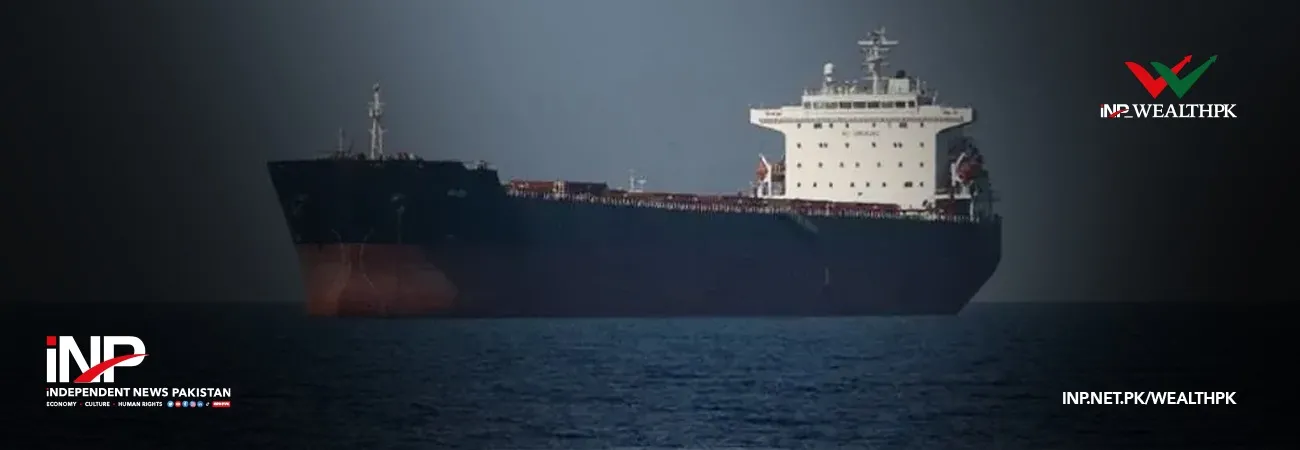
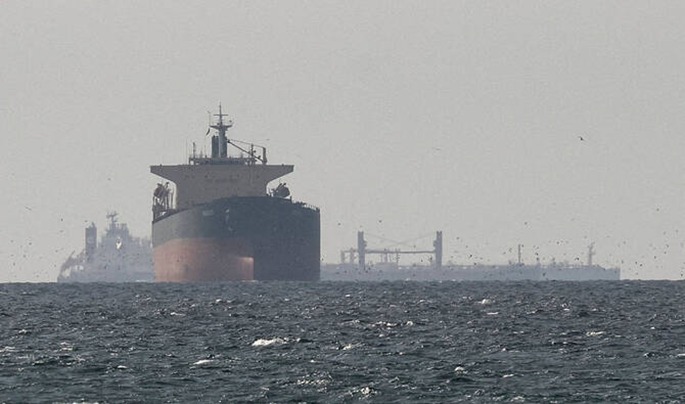
Pakistan's economic stability faces a critical test as rising tensions in the Middle East threaten energy flows through the Strait of Hormuz. Experts warn that the country's heavy reliance on imported fuel exposes it to a broader crisis extending beyond oil prices to freight, insurance, and logistics costs. The Strait of Hormuz, a narrow waterway that handles roughly 20 million barrels of oil daily — about one-fifth of global petroleum consumption — has become a major geopolitical flashpoint.
For Pakistan, where nearly 75 percent of crude oil and coal needs are met through imports while liquefied natural gas (LNG) accounts for about a quarter of total gas consumption, any disruption carries serious implications for the external account, inflation, and overall macroeconomic stability. According to the State Bank of Pakistan, the country's energy import bill stood at approximately $15.9 billion in FY25. This could rise to $24.5 billion if oil prices climb to $100 per barrel, as demand continues to grow.
Dr. Abid Qaiyum Suleri, head of the Sustainable Development Policy Institute, said the risks go far beyond a conventional oil shock. "The war is not only an oil shock but also a freight, insurance, and logistics shock," he said. War-risk premiums in the Gulf have surged sharply in some cases, while major shipping lines are rerouting vessels around the Cape of Good Hope and imposing emergency fuel surcharges. These developments are pushing up Pakistan's landed import costs across multiple sectors.
With goods imports already at $41.8 billion and the current account deficit at $0.7 billion during July–February FY26, even a moderate increase in fuel and shipping costs could significantly strain the external balance. The inflationary impact is also a concern. Oil and supply shocks remain a key driver of price pressures, particularly as the transport sector consumes a large share of petroleum products, allowing higher fuel costs to quickly pass through to freight, food, and consumer prices.
Dr. Suleri noted that these vulnerabilities strengthen the case for accelerating Pakistan's energy transition. He said the benefits would be greater if renewable expansion is supported by improvements in grid capacity, storage, efficiency, and transport electrification. Nasir Iqbal, Professor of Economics at the Pakistan Institute of Development Economics, said prolonged disruption would have serious implications for the economy.
He noted that while supply flows have continued in recent weeks, partly due to facilitation from Iran, rising insurance and logistical costs are placing increasing pressure on the import bill. Even without a full supply disruption, higher costs alone are creating a significant economic shock. He added that increased import costs are likely to translate into higher domestic fuel prices, as global price pressures feed into the local market.
While the government has attempted to manage the situation through fiscal adjustments and development spending cuts, such measures may not remain sustainable over time. In the short term, he suggested rationalising energy consumption through administrative measures such as reduced working days, remote work policies, and conservation efforts. For the medium term, he emphasised accelerating clean energy adoption, particularly solarisation, and reviewing policies that may hinder its expansion.
Over the long term, he stressed the need to restructure Pakistan's energy mix to build resilience against external shocks. Analysts say that while supply disruptions through the Strait of Hormuz remain a key risk, the immediate pressure is already visible through rising costs of fuel, freight, and insurance. They note that Pakistan's continued dependence on imported energy leaves it highly exposed to external shocks, underscoring the importance of both short-term risk management and longer-term structural reforms to strengthen energy security.
Credit: INP-WealthPk
Related News