i INP-WEALTHPK
Clean energy sources exceed 50pc of installed power capacity in FY2025-26Breaking
June 15, 2026
By Farooq Awan
Clean energy sources accounted for more than half of Pakistan's installed electricity generation capacity in FY2025-26, marking a significant shift in the country's energy mix as policymakers pursue greater energy security, sustainability and reduced dependence on imported fuels, according to the Pakistan Economic Survey 2025-26 released by the Ministry of Finance.
The survey shows that Pakistan's total installed electricity generation capacity reached 49,651 megawatts (MW) by March 2026. Hydel, nuclear and renewable energy sources collectively accounted for 50.8% of the installed capacity, while the share of thermal power declined to 49.2%.
The changing composition of the power sector reflects a gradual transition toward indigenous and cleaner energy resources, reducing reliance on imported fossil fuels that have historically exposed the country to external price shocks and foreign exchange pressures.
According to the survey, electricity generation during July-March FY2025-26 stood at 92,835 gigawatt-hours (GWh). Of this total, hydel, nuclear and renewable sources contributed 53.1%, indicating that clean energy not only dominates installed capacity but is also contributing an increasingly significant share of actual power generation.
The survey notes that Pakistan's energy sector continued to face challenges related to affordability, sustainability and energy security during the fiscal year. These challenges were compounded by geopolitical tensions and disruptions in global energy markets linked to developments around the Strait of Hormuz and the wider Middle East region.
Despite these challenges, the country's evolving energy mix helped improve resilience by increasing the role of domestic energy resources and reducing exposure to fluctuations in international fuel markets.
Hydropower remained one of the largest contributors to the clean energy portfolio, benefiting from Pakistan's extensive river system and continued investment in water-based generation projects. Nuclear power also continued to play an important role in providing stable baseload electricity generation.
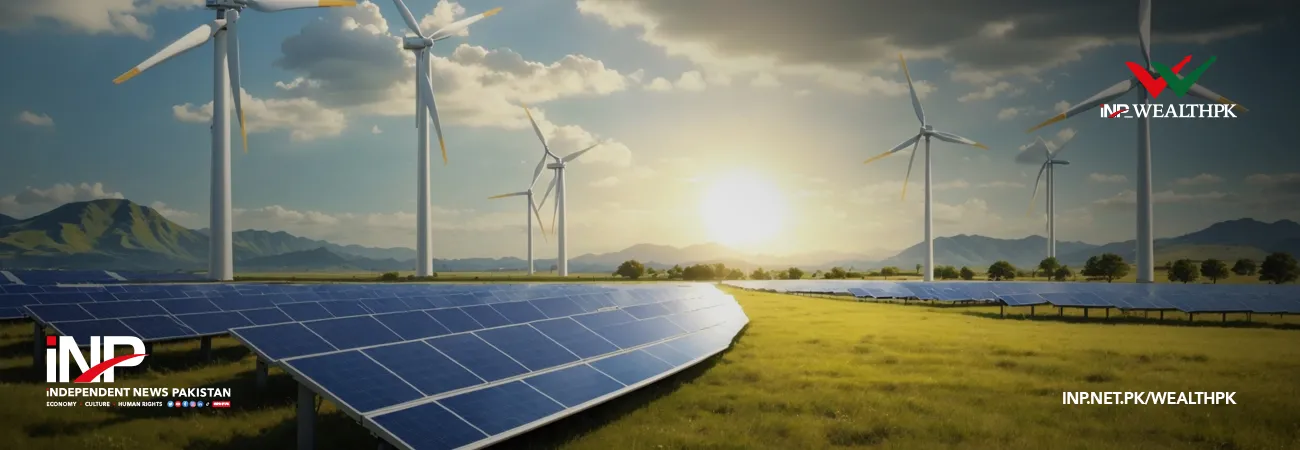
Renewable energy sources, including wind and solar power, expanded their contribution as Pakistan sought to diversify its energy base and align with broader environmental and climate objectives.
The survey highlights that the growing share of clean energy comes at a time when electricity demand is expected to rise alongside economic recovery, industrial expansion and increasing digitalization.
At the same time, Pakistan remains heavily dependent on imported petroleum products to meet overall energy requirements. According to the survey, total petroleum product consumption reached 13.64 million metric tonnes during July-March FY2025-26, an increase of 3.5% compared with the corresponding period of the previous year.
The transport sector remained the largest consumer of petroleum products, accounting for 82.5% of total demand. Petroleum consumption in the transport sector rose from 10.5 million metric tonnes to 11.2 million metric tonnes during the period under review, reflecting increased mobility, trade and logistics activity.
The country's petroleum imports also increased during the fiscal year. Pakistan imported 13.8 million metric tonnes of petroleum products during July-March FY2025-26 compared with 12.5 million metric tonnes during the same period a year earlier. The petroleum import bill rose to $8.9 billion from $8.4 billion.
The survey suggests that expanding the share of indigenous energy resources could help reduce the economic burden associated with fuel imports while improving long-term energy security.
Natural gas continued to remain an important component of the energy sector. Average gas consumption during July-March FY2025-26 stood at approximately 2,929 million cubic feet per day, including 613 million cubic feet per day supplied through re-gasified liquefied natural gas (RLNG).
The power sector remained the largest consumer of natural gas, followed by domestic users and the fertilizer industry.
According to the survey, Pakistan also advanced its efforts to broaden access to energy services. During the fiscal year, 149,908 new gas connections were provided across the country, including domestic, commercial and industrial consumers.
The Ministry of Finance notes that the increasing contribution of hydel, nuclear and renewable sources represents gradual progress toward a more diversified and resilient energy system. The shift is particularly significant given the country's longstanding concerns regarding imported fuel dependence, external account pressures and vulnerability to global energy market volatility.
The survey states that recent reforms, investments and changes in the energy mix signal sustained progress toward a cleaner and more sustainable energy landscape, with indigenous and environment-friendly energy sources playing an increasingly important role in meeting Pakistan's future electricity needs.

Credit: INP-WealthPk
Related News