

i INP-WEALTHPK

El Niño raises fresh concerns over global cotton production and textile suppliesBreaking
November 10, 2026
By Azam Tariq
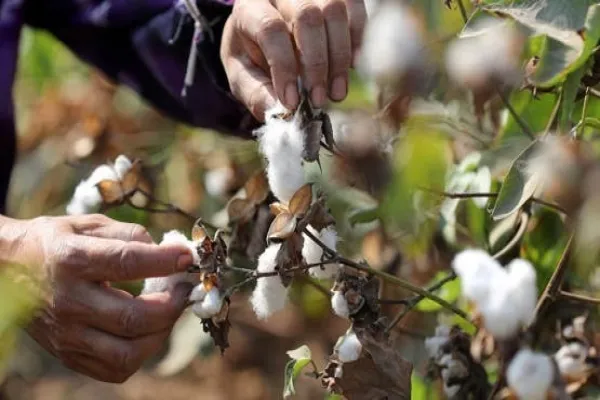
A strengthening El Niño is fuelling concerns over global cotton production and textile supplies. As the industry faces growing risks from extreme weather, declining output and tightening inventories, international brands and manufacturers are forcing a rethink of sourcing strategies to bolster supply-chain resilience.
The World Meteorological Organization (WMO) has warned that El Niño is firmly established and expected to intensify into a very strong event, with an exceptionally high likelihood of persisting through February 2027. The weather phenomenon could significantly alter rainfall and temperature patterns across major agricultural regions, increasing the risks of drought, flooding, and extreme heat.
Market forecasts indicated that cotton-producing countries accounting for approximately half of global output could face severe El Niño-related weather risks during the 2026/27 season. Different producing regions are exposed to varying threats, including excessive rainfall, prolonged dry conditions, and unusually high temperatures.
The global cotton supply outlook is already under pressure. The US Department of Agriculture's October projections estimate global cotton production at 118 million bales in 2026/27, down 3.4% from the previous season, while global mill consumption is forecast at 123.1 million bales. Ending stocks are expected to decline by five million bales to their lowest level since 2011/12.
Muhammad Umar Iqbal, Senior Programme Coordinator for Capacity Building at the Better Cotton Initiative, told Wealth Pakistan that growing climate risks were making farm-level resilience increasingly important for cotton-producing countries and international textile supply chains.
He said farmers needed practical measures to improve soil health, use water more efficiently, and adapt to changing weather patterns, alongside better access to training, weather information, digital advisory services, financing and climate-risk protection.
According to Iqbal, the growing frequency and intensity of climatic shocks are encouraging cotton producers and textile companies to focus more closely on the reliability and sustainability of agricultural production.
In Pakistan, he said, efforts to strengthen cotton resilience include promoting heat- and drought-tolerant varieties, crop rotation, efficient irrigation, improved soil management and integrated pest management.
Better water management is particularly important for cotton-producing regions facing rising temperatures and unpredictable rainfall.
Iqbal identified laser land levelling, irrigation scheduling, mulching and improved irrigation systems as practical measures that could help farmers reduce water losses and protect crops against heat and moisture stress.
He also highlighted the importance of reliable climate information and early-warning systems in helping farmers make timely decisions.
Access to local weather forecasts could enable cotton growers to adjust sowing schedules, irrigation, pest control and harvesting activities before extreme weather causes significant damage, he explained.
Iqbal said Better Cotton's current Principles and Criteria, version 3.2, had strengthened the organisation's regenerative-agriculture approach by requiring producers to set continuous-improvement targets in areas including soil health, biodiversity, water management, pesticides, fertilisers and livestock.
For international textile brands and manufacturers, the growing threat of climate-related disruptions is also changing how companies assess cotton suppliers.
Iqbal said sourcing decisions were increasingly moving beyond the search for the lowest-cost cotton towards securing reliable supplies from producers capable of managing environmental and production risks.
Geographical diversification could reduce dependence on any single cotton-producing region, while stronger traceability systems would help companies identify sourcing risks and respond more effectively to disruptions caused by extreme weather.
The need for such measures has become particularly important as global cotton consumption is projected to exceed production during the 2026/27 season, potentially placing additional pressure on available inventories.
Pakistan's experience with extreme weather demonstrates the scale of disruption that major climatic events can cause to cotton production.
According to the Pakistan Economic Survey, the country's cotton output declined approximately 41% to 4.91 million bales in 2022/23 from 8.33 million bales in the previous year.
The decline followed devastating floods that damaged agricultural production, particularly in Sindh and Balochistan, highlighting the vulnerability of cotton-growing regions to extreme weather conditions.
Talking to Wealth Pakistan, Feroz Ahmed Tipu, Farm Manager with the National Rural Support Programme's (NRSP) Azad Jammu and Kashmir Region, based in Sihala, Islamabad, said El Niño should increasingly be treated as a predictable planning risk rather than an unexpected shock.
He said cotton-producing countries needed to strengthen their agricultural systems through improved seed varieties, efficient irrigation, climate information and greater preparedness for extreme weather.
“If your entire cotton supply depends on one region and that region gets hit by drought or floods, you have no supply chain, you have a gamble,” he said.
Tipu explained that international textile manufacturers could reduce their exposure to climate-related disruptions by diversifying cotton sourcing across different geographical regions.
Such diversification would help buyers maintain access to raw materials when adverse weather conditions affect production in a major cotton-exporting country.
For Pakistan, he identified improved seed quality and water-use efficiency as important priorities, particularly in Sindh and southern Punjab, where cotton production remains exposed to high temperatures and water-related challenges.
He said wider access to reliable weather forecasts and crop insurance could also help protect small farmers against financial losses during difficult growing seasons.
According to Tipu, a single poor cotton season can create severe financial pressure for small growers, making affordable risk-protection mechanisms and timely agricultural information essential for maintaining production.
He said countries investing in climate-resilient agricultural practices would be better positioned to maintain their reliability as cotton suppliers in international markets.
The emerging risks also have implications for the competitiveness of textile-exporting economies, where stable access to cotton is important for maintaining production schedules, managing costs, and meeting international orders.
As climatic conditions become more unpredictable, manufacturers may increasingly favour suppliers that can demonstrate consistent production, traceability and effective agricultural risk management.
For Pakistan, improving cotton productivity and supply reliability could help strengthen the domestic textile industry's access to raw materials while supporting its competitiveness in international markets.
The combination of El Niño-related weather risks and tightening global cotton inventories underscores the importance of coordinated action by farmers, textile manufacturers, international buyers, and agricultural institutions.
For the global textile industry, stronger supply-chain resilience will depend on geographically diversified sourcing, improved traceability and greater investment in climate-resilient cotton production. Cotton-producing countries such as Pakistan will need to strengthen farm productivity, water management and climate preparedness to remain competitive suppliers under increasingly uncertain weather conditions.
Credit: INP-WealthPk
Related News