i INP-WEALTHPK
Gilgit-Baltistan offers vast mining, gemstone potential: officialBreaking
February 04, 2026
Ayesha Saba
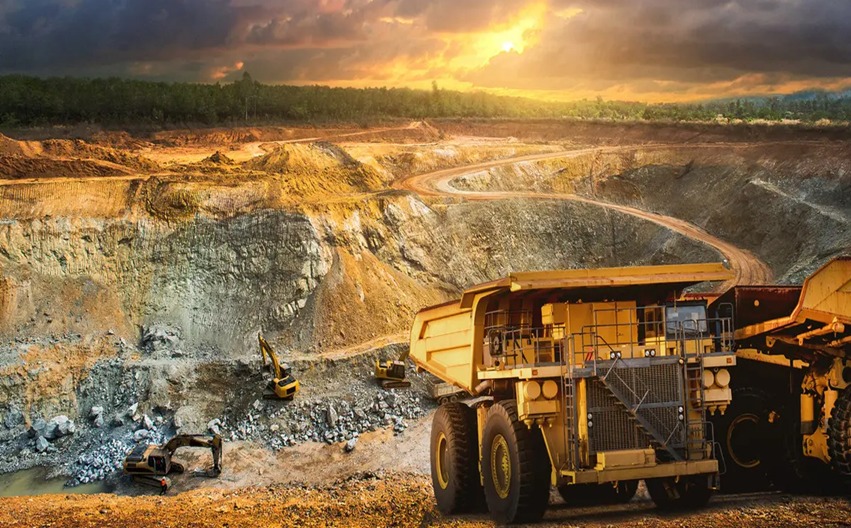
With a mining area spanning more than 43,000 square kilometres, Gilgit-Baltistan offers significant opportunities in minerals and gemstones, Secretary of Minerals Shahzeb Sheikh said on Tuesday. Speaking at the Pakistan–China Mineral Investment Forum, he highlighted the region’s immense geological potential and informed participants that Gilgit-Baltistan covers a total mining area of 43,494 square kilometres, much of which remains unexplored, presenting strong prospects for both foreign and domestic investors.
He said that out of the total mining area, 1,840.58 square kilometres have been granted exploration licences, while 898.37 square kilometres are currently under mining leases, bringing the total granted area to 2,738.95 square kilometres. In addition, 4,469.182 square kilometres have been reserved as study areas for future exploration, taking the combined explored and reserved area to 7,208.132 square kilometres.
The remaining 36,287.868 square kilometres consist of barren land, mountainous terrain, road corridors and rocky formations. Addressing the forum, Shahzeb Sheikh said Gilgit-Baltistan hosts a wide range of metallic minerals, including gold, copper, lead, antimony, molybdenum and iron. Gold occurrences have been reported across almost all valleys in the region, while copper deposits — with grades ranging from 0.2 percent to 74 percent — have been identified in at least nine valleys, including Ishkoman, Teru, Chalt, Yasin, Skardu, Shigar, Nagar, Diamer and Misgar.
Lead deposits are present in Tangir, Kargah, Shigar and Skardu, whereas high-grade antimony deposits, ranging from 50.4 percent to 81.5 percent, have been identified in areas including Darkot, Chupurson, Kharmang and Astak. He further said that molybdenum has been reported in Hunza, Skardu, Chilas and Astore, while iron deposits, with concentrations ranging from 1 percent to 60.9 percent, are found in valleys such as Ishkoman, Sadpara, Chalt and Kharmang.
Among non-metallic and industrial minerals, mica occurrences have been identified in Karimabad, Gamola, Rondu, Skole, Gome and Babusar, while feldspar deposits are reported in Hunza, Rondu, Tormiq and Shigar. Dolomite deposits have been identified in Shigar, while limestone and calcite are reported in several valleys, including Chupurson, Gilgit and Nagar.
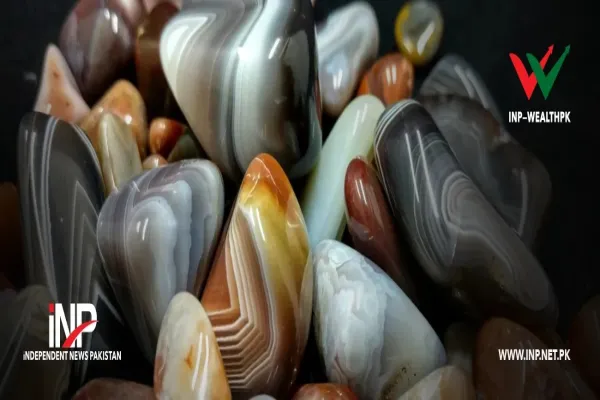
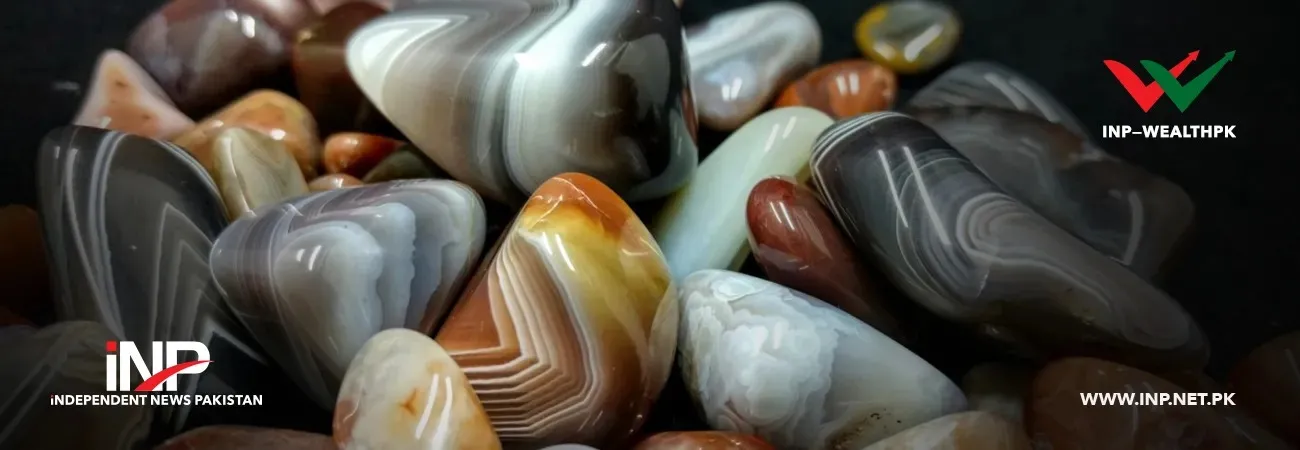
Shahzeb Sheikh emphasised that Gilgit-Baltistan is globally recognised for its exceptional gemstone wealth, hosting some of the finest precious and semi-precious stones. Ruby deposits have been identified in Hunza and Shigar, while emeralds are reported in Haramosh and Shigar. Aquamarine occurrences span at least ten valleys, including Haramosh, Sumayar, Harchu, Rondu, Shigar, Bulachi, Hunza, Nagar, Punial and Raikot.
He said the government is encouraging value addition through the establishment of processing units for metallic minerals such as iron, copper, lead, molybdenum and lithium, as well as for non-metallic and industrial minerals, including mica, dolomite, limestone, feldspar and calcite. Gilgit-Baltistan also offers strong potential in dimension stones such as marble, granite and nephrite, along with widespread placer gold deposits, as almost every river and stream in the region carries placer gold, he added.
The secretary informed the forum that 108 mineral targets have been identified through surveys and investigations conducted by the government through the Pakistan Mineral Development Corporation. Regulatory oversight is exercised by the Directorate of Mines and Minerals Gilgit-Baltistan to ensure compliance with licensing requirements, safety standards and environmental regulations.
He concluded by saying that the adoption of the Harmonisation Act 2025 — introducing comprehensive regulations covering health, safety and environmental protection — will further align Gilgit-Baltistan’s mining sector with national and international standards, enhance investor confidence and strengthen Pakistan–China cooperation in the mineral sector.
Credit: INP-WealthPk
Related News