




i INP-WEALTHPK

Govt steps up meat, dairy, poultry export push across Asia, Gulf, ChinaBreaking
October 15, 2026
By Azeem Ahmed Khan
The government is stepping up efforts to expand livestock, meat, dairy and poultry exports to China, Central Asia, Southeast Asia and the Gulf, as the Ministry of Commerce (MoC) rolls out a two-year marketing and market-access drive to turn new approvals and buyer engagement into actual export orders.
Official documents available with Wealth Pakistan show that the ministry is pursuing market-access barriers and foreign-country restrictions through Trade and Investment Officers (TIOs), the Trade Development Authority of Pakistan (TDAP), and coordination with the Animal Quarantine Department (AQD) and relevant agencies of the importing countries.
Pakistan has already established a meat export base in 14 countries, including China, Saudi Arabia, the UAE, Qatar, Malaysia, Uzbekistan, Tajikistan, Kuwait, Bahrain, Oman, Iran, Egypt, Jordan, and Afghanistan, according to documents of the Ministry of National Food Security and Research (MNFSR).
Under the Prime Minister’s Export-led Growth Initiative, market-access/establishment is also being pursued with China, Uzbekistan, Tajikistan, Kazakhstan, Azerbaijan, Jordan, Egypt and Lebanon. Uzbekistan has emerged as a promising destination, with Pakistan’s meat exports rising from about $15.1 million, or 4,439 metric tonnes, in FY2025 to $18 million, or 6,094 metric tonnes, in FY2026.
Saudi Arabia remains an important growth market, with Pakistan’s meat and poultry exports reaching $191.5 million in FY2025-26. The government is also pursuing poultry market access in Malaysia, China and Vietnam. Applications for China cover boiled chicken feet, ready-to-eat chicken products and pasteurized egg products, while Vietnam’s country-registration dossier has been submitted for further processing.
The dairy sector is also being positioned for higher-value exports. Major markets already include the UAE, Saudi Arabia, the United States, China, Somalia, Bahrain, Afghanistan, Tajikistan, Sri Lanka and Oman. The documents note considerable scope to move beyond milk and cream into products such as cheese, butter, buttermilk and yogurt.
A major part of the push is the Trade Development Authority of Pakistan’s (TDAP) 24-month Agri-Exports Marketing Plan for September 2026 to August 2028. It covers international exhibitions, trade delegations, B2B matchmaking, webinars, and buyer delegations, with planned participation in events including the Saudi Food Show, SIAL Paris, Gulfood, SIAL Shanghai, FOODEX Japan, SIAL Canada, and Food Africa.
The plan also provides for 98 monthly webinars and online B2B sessions and 32 field seminars on export compliance and production requirements. It includes modern-trade initiatives in Saudi Arabia and the UAE, while product-development measures envisage heat-treated beef cuts for China and other value-added products.
From September 2027, the ministry plans to continue exhibitions, delegations, and campaigns based on confirmed orders, modern-trade listings, and successful market-access outcomes. Sector-specific missions are envisaged for Thailand, China, and CIS markets, and Brazil, alongside incoming delegations from China, Lebanon, Malaysia, and Uzbekistan to facilitate inspections, protocols and commercial engagement.
Rather than creating a new export-facilitation structure, the ministry favours strengthening the existing Pakistan Single Window and TDAP network. This framework can connect exporters with buyers, support certification and packaging requirements, resolve market-specific issues and coordinate with regulatory agencies.
The ministry, however, notes that sustained export gains will also depend on improvements in disease control, traceability, livestock and milk yields, breed improvement, exportable surplus, logistics, value addition and sanitary compliance. These supply-side reforms require coordinated action by federal and provincial technical agencies alongside the market-opening work already under way.
These supply-side reforms require action by the Ministry of National Food Security & Research (MNFSR), provincial livestock departments, AQD and other competent authorities, while the Ministry of Commerce and TDAP continue to develop markets, pursue access and promote value-added products.
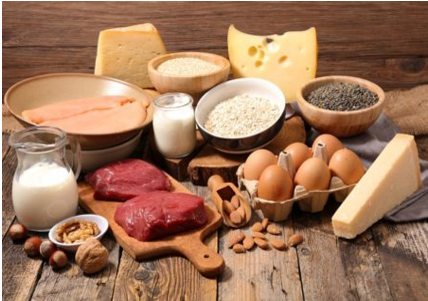
Credit: INP-WealthPk
Related News