



i INP-WEALTHPK
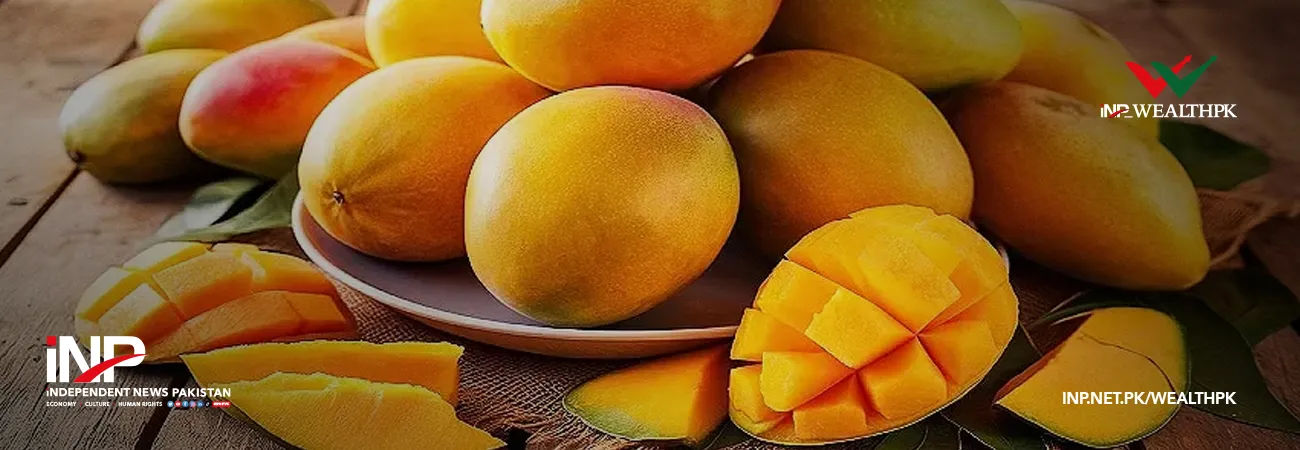
Heatwaves to cut Pakistan’s mango production by 20%Breaking
June 15, 2026
By Muhammad Luqman
Weather conditions during the current season have adversely affected mango production in several mango-growing regions of Pakistan, particularly in South Punjab, horticulture experts have warned.
According to preliminary estimates, this year's mango crop is expected to be around 20% lower than the country's average annual production of 1.9 million tons.
"High temperatures during the flowering and fruit-setting stages, temperature fluctuations, sporadic windstorms, and water stress have reduced fruit set and increased fruit drop in some orchards," said Dr Hafiz Asif-ur-Rehman, Director of the Mango Research Institute (MRI), Multan.
Talking to Wealth Pakistan, he said that the extent of losses varies across locations and cultivars.
"Preliminary estimates indicate that national mango production may be lower than normal due to weather-related factors," Dr Rehman warned.
Punjab, which contributes the largest share of Pakistan's mango production, is expected to remain the leading producer. However, the MRI director said that final production figures will only be available after the completion of harvesting and market arrivals.
Commenting on the possible influence of El Niño on regional weather patterns, he said the phenomenon could affect mango production through higher temperatures, altered rainfall distribution, increased water stress, and adverse impacts on flowering and fruit setting.
"The actual impact depends on the timing and intensity of the phenomenon and its interaction with local climatic conditions," Dr Rehman explained.
He said the MRI is actively engaged in the evaluation, selection, and breeding of improved mango germplasm while taking climatic and weather conditions into account.
"Varieties such as Azeem Chaunsa and Chenab Gold have been developed for superior fruit quality, shelf life, and export potential," he said.
He added that research efforts are continuing to identify and develop cultivars with improved tolerance to abiotic stresses associated with climate change.
According to meteorologists, there are indications that the El Niño phenomenon could develop into a strong event with significant climatic effects worldwide, including in Pakistan.
"The primary impact will be prolonged hot spells. Some southern regions, including parts of Sindh, Punjab, and Balochistan, could experience these conditions," Dr Zaheer Babar, Chief Meteorologist, told Wealth Pakistan.
He said that El Niño typically brings below-normal rainfall, which can lead to drought-like conditions, particularly affecting agriculture, including horticulture.
Stakeholders in Pakistan's mango sector, especially exporters, are also concerned about a decline in exportable surpluses needed to meet demand from foreign buyers.
"Climate change, erratic weather patterns, and the weak disease resistance of existing orchards have steadily eroded production over the past five years," said Waheed Ahmad, Patron-in-Chief of the Pakistan Fruit and Vegetables Exporters Association.
He said it was high time for the government to invest in research and development, improve orchard management practices, and support quality enhancement initiatives.
He stressed that Pakistan has the potential to substantially increase mango exports if fruit quality is upgraded and growers receive better technical guidance.
"Pakistan's mango industry possesses enormous untapped potential, but realising it will require coordinated efforts by farmers, exporters, and policymakers to address the challenges threatening one of the country's most valuable horticultural exports," he said.
Referring to the expected decline in production and potential logistical disruptions arising from tensions in the Middle East, Ahmad said the government had revised this year's mango export target to 80,000 tons, down from 110,000 tons last year.
He feared that the reduced target would significantly affect export earnings.
Pakistan generated around $110 million from mango exports last season, but revenues this year are projected to decline to between $75 million and $80 million.
Credit: INP-WealthPk
Related News