i INP-WEALTHPK

Pakistan hits 92,835 GWh electricity mark with rising green energyBreaking
June 15, 2026
By Farooq Awan
Pakistan generated 92,835 gigawatt-hours (GWh) of electricity during July-March FY2025-26, reflecting continued growth in power supply and an evolving energy mix increasingly supported by indigenous and renewable sources, according to the Pakistan Economic Survey 2025-26 released by the Ministry of Finance.
The survey highlights the power sector's ongoing transition toward cleaner and more sustainable energy sources as the country seeks to reduce dependence on imported fuels, improve energy security and contain electricity generation costs.
According to the survey, the power sector continued to benefit from a diversified generation portfolio that included hydropower, nuclear, solar, wind, coal and natural gas.
One of the most notable developments during the fiscal year was the increasing contribution of clean energy sources to the national power mix.
The survey notes that clean energy sources accounted for 53.1% of total electricity generation during July-March FY2025-26. These sources included hydropower, nuclear, wind and solar energy, marking continued progress toward a more environmentally sustainable energy sector.
Hydropower remained one of the largest contributors to electricity generation. Pakistan's extensive network of dams and hydropower stations continued to provide low-cost electricity while reducing dependence on imported fuels.
Nuclear power also maintained a significant share of electricity generation, supporting the country's efforts to secure reliable baseload power generation.
According to the survey, renewable energy sources such as wind and solar continued expanding their contribution to the national grid as additional projects entered operation and generation efficiency improved.
The Ministry of Finance notes that increasing the share of indigenous and renewable energy sources remains a key component of Pakistan's long-term energy strategy.
The survey highlights that a cleaner generation mix helps reduce fuel import requirements, lower exposure to international energy price fluctuations and support environmental sustainability objectives.
Pakistan's energy transition comes at a time when the country continues to face significant fuel import requirements. During July-March FY2025-26, petroleum imports reached 13.8 million tonnes, with an import bill of $8.9 billion.
Reducing reliance on imported energy remains important for strengthening the country's balance of payments and enhancing energy security.
The survey notes that electricity demand remained supported by growth in economic activity during FY2025-26. Pakistan's economy expanded by 3.7%, while industrial activity strengthened significantly.
Large-scale manufacturing grew by 6.11% during the fiscal year, increasing demand for reliable electricity supply across industrial sectors.
The construction sector also expanded by 5.73%, contributing to higher electricity consumption associated with infrastructure development, housing projects and commercial activity.
According to the survey, investments in transmission and distribution infrastructure continued to support the power sector's ability to meet growing demand.
The Ministry of Finance notes that maintaining adequate generation capacity and improving system efficiency remain critical priorities as Pakistan's population and economy continue to expand.
The country's population reached approximately 252 million during FY2025-26, increasing demand for electricity across residential, commercial and industrial consumers.
The survey highlights that energy sector reforms remain focused on improving operational efficiency, reducing system losses, strengthening financial sustainability and promoting greater use of indigenous resources.
According to the Ministry of Finance, continued investment in hydropower, renewable energy and transmission infrastructure will play an important role in meeting future electricity demand while supporting economic growth.
With electricity generation reaching 92,835 GWh during July-March FY2025-26 and clean energy sources contributing more than half of total output, Pakistan continued advancing toward a more diversified, sustainable and secure power sector.
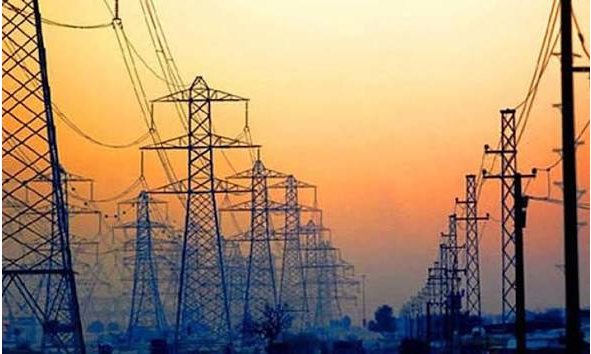
Credit: INP-WealthPk
Related News