


i INP-WEALTHPK
Livestock export clusters proposed for GCC, China marketsBreaking
September 07, 2026
By Farooq Awan
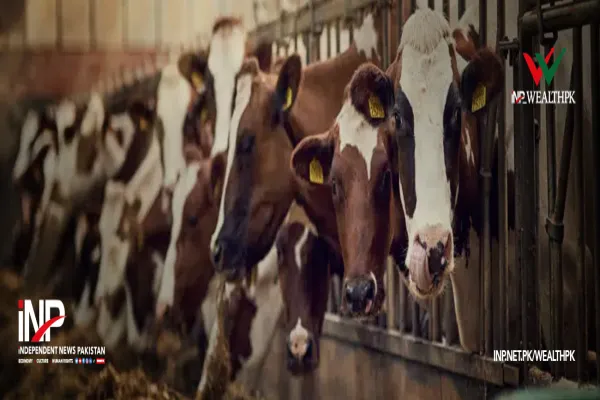
The government has been urged to develop integrated livestock clusters—combining meat, dairy, and poultry production with processing plants, laboratories, cold chains and logistics. This initiative aims to boost exports to key markets, including the Gulf Cooperation Council (GCC), China, Malaysia, and Central Asia.
According to recommendations of the Ministry of National Food Security and Research available with Wealth Pakistan, export-oriented clusters should connect farms and feedlots with processing facilities and supporting infrastructure while aligning production with the requirements of targeted international markets.
The proposed approach is aimed at developing more organised livestock value chains capable of moving products from farms through processing and quality-control systems to domestic and overseas markets.
The documents identify fragmented and informal value chains, limited value addition, disease risks, inadequate traceability, regulatory bottlenecks and insufficient integration with international markets among the major constraints preventing Pakistan's livestock sector from realising its export potential.
The recommendations therefore place greater emphasis on connecting different stages of livestock production and marketing rather than treating farming, processing and exports as separate activities.
Under the proposed cluster model, farms and feedlots would be linked with meat, dairy and poultry processing facilities, accredited laboratories, cold-chain infrastructure and logistics to develop integrated supply chains geared towards higher-value markets.
The recommendations specifically identify the GCC, Malaysia, China and Central Asia among the markets whose requirements should guide development of the proposed clusters.
Formalizing domestic livestock value chains will also be crucial to improving export competitiveness.
The documents call for expansion of formal milk collection and chilling systems and refrigerated logistics, along with modernisation of livestock markets. They also recommend strengthening accredited laboratories, enforcing modern slaughter and food-safety standards, and improving quality monitoring.
These measures are intended to improve the infrastructure and quality-control mechanisms needed to move livestock products through formal supply chains and meet the standards required by higher-value markets.
The recommendations also call for targeted fiscal, financing and investment incentives to support modernisation across dairy, meat and poultry, as well as feed, genetics, biotechnology, processing and cold-chain infrastructure.
Greater investment in processing and cold-chain facilities would form an important part of the proposed shift towards value-added livestock production rather than relying primarily on fragmented traditional supply chains.
The documents envisage a transformation pathway in which improvements in livestock productivity are followed by greater commercialisation, formalisation, value addition and ultimately stronger export competitiveness.
Under this approach, better integration of production, processing, quality assurance and logistics would support the development of livestock products suited to the requirements of targeted overseas markets.
The recommendations indicate that effective implementation of the broader reform agenda could improve animal productivity and farmer profitability, strengthen food safety and export compliance, encourage private investment, increase higher-value processing and expand the livestock sector's potential to generate foreign-exchange earnings.
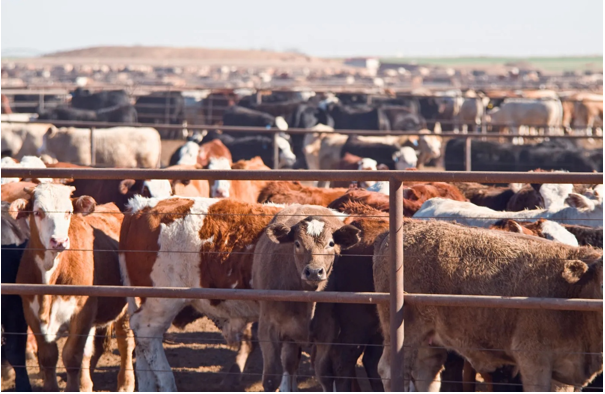
Credit: INP-WealthPk
Related News