



i INP-WEALTHPK
Pakistani scientists explore space-exposed seeds to expand crop diversityBreaking
January 23, 2026
Azeem Ahmed Khan
Pakistani scientists are blending traditional plant breeding with space-based experimentation by examining seeds exposed to cosmic radiation and zero gravity, an effort aimed at widening crop diversity and developing improved varieties for the future.
“The main theme is to bring mutations for crop improvement,” said Dr Zahid Mahmood, Program Leader of the Wheat Program at the National Agricultural Research Centre, in an interview with Wealth Pakistan. “Variation is always necessary for new improvements, and these approaches give us more options to develop better crops.”
The initiative builds on classical breeding, in which new plant varieties are developed by crossing two parent lines and selecting superior offspring over successive generations. “When we want to develop a new variety, we cross two different parents and then select and evaluate their offspring,” Dr Zahid explained, noting that the entire process depends on genetic diversity and variation.
He said flowering plants, much like humans and animals, have male and female parts, enabling breeders to control pollination through a process known as emasculation, in which the male part of one plant is removed and pollen from another plant is used for crossing. The resulting offspring differ from one another, allowing scientists to select promising plants for further improvement.
To generate broader variation, researchers also rely on mutation breeding. “Mutation is a sudden change in DNA that is transmitted to the next generation,” Dr Zahid said, adding that if such changes prove beneficial, they can be developed into new varieties.
Mutations can be induced through radiation or chemicals, techniques long used in controlled facilities. More recently, scientists have explored space as an additional source of mutation, as cosmic radiation and zero gravity are known to cause genetic changes.
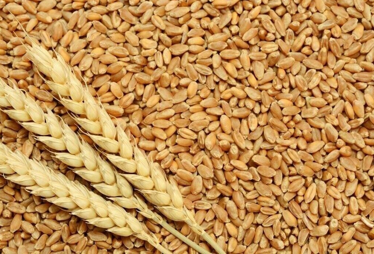
Under this approach, seeds from Pakistan were sent into space as part of a mission coordinated by the Pakistan Space and Upper Atmosphere Research Commission in collaboration with China. According to Dr Zahid, the consignment included rice, wheat and maize seeds that were exposed to cosmic radiation and zero gravity.
“When the seeds came back, SUPARCO Karachi provided them to us for testing to see if there is any variation,” he said.
Because field trials typically allow only one generation to be evaluated each year, the returned material was first advanced at the Speed Breeding Facility at the National Agricultural Research Centre, where controlled conditions enable rapid generation turnover. “In about two months, we can advance one generation at the speed breeding facility,” Dr Zahid said.
He said early testing of wheat has already shown some variation. “We advanced the generation here and observed variation, and now we have planted it in the field,” he said, adding that full evaluation requires a complete crop cycle—around one year—before final results can be recorded.
The experiment remains at a trial stage, and outcomes depend on the type of treatment and duration of exposure. Dr Zahid said future space missions would be conducted in closer consultation with breeders, with scientists advising SUPARCO on which material should be sent.
“When scientists develop a variety, the main goal is to work with advanced lines that have already been evaluated for high yield, disease resistance and climate resilience,” he said. “We want changes to occur in advanced material so that it can be further improved.”
He cautioned that not all mutations are beneficial. “Changes will come, but when they do, we have to select from them,” he said, explaining that traits such as plant height, disease resistance, grain size, colour and yield must all be assessed before any variety is taken forward.
Alongside mutation and speed breeding, modern evaluation tools are also reshaping crop research. Dr Zahid said drones equipped with multispectral sensors are being used to rapidly assess plant traits across large breeding plots, a process known as high-throughput phenotyping.
“These technologies allow us to generate data in minutes that would otherwise take weeks,” he said, adding that early selection helps researchers identify the most promising crops at an earlier stage.
Credit: INP-WealthPk
Related News