

i INP-WEALTHPK

Pakistan's aquaculture output grows 22.8% in 13 yearsBreaking
November 20, 2026
By Azeem Ahmed Khan
Pakistan's aquaculture output grew by 22.8% between 2011 and 2024, offering new opportunities to boost fish supplies and expand the fisheries industry.
Aquaculture output rose from 141,935 metric tonnes in 2011 to 174,338 tonnes in 2024, an increase of 32,403 tonnes, says the Pakistan Business Council's research report titled “Pakistan's Aquaculture Sector: Opportunities, Challenges & Policy Recommendations for Improving Export Competitiveness,” available with Wealth Pakistan. The growth has been driven by increasing demand for fish, better use of freshwater resources and gradual improvements in fish farming methods and infrastructure.
Pakistan's fisheries sector has an estimated value of $1.3 billion, contributing 0.3% to national GDP and 1.29% to agricultural GDP. With a 1,050-kilometre coastline along the Arabian Sea, as well as rivers, lakes, canals, reservoirs, floodplains and fish farms, the country has considerable opportunities to increase fish production, particularly through aquaculture.
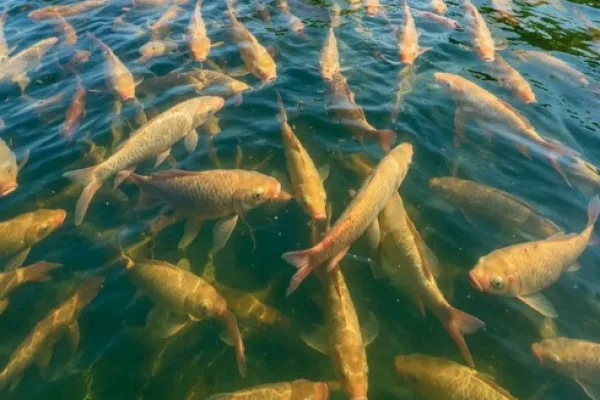
Total fisheries production reached 666,245 metric tonnes in 2022, with marine fishing contributing 349,292 tonnes, or 52.4%. Inland fishing accounted for 150,753 tonnes, or 22.6%, while fish farming produced 166,200 tonnes, representing 24.9% of the national total, the report said. This means nearly one in every four tonnes of fish produced in Pakistan came from fish farms, highlighting their growing importance.
Production figures also show a shift towards inland fishing and aquaculture. While marine catches declined from 377,141 tonnes in 2015 to 349,292 tonnes in 2022, fish farming production increased from 151,147 to 166,200 tonnes during the same period. Inland catches also rose from 132,365 to 150,753 tonnes. After declining in 2018 and 2019, overall fisheries production returned to positive annual growth from 2020 to 2022, recording a further 0.75% increase in 2022.
According to the report, Sindh accounts for the largest share of fisheries and aquaculture production at 46.3%, followed by Balochistan at 30.2%, Punjab at 22.8% and Khyber Pakhtunkhwa at 0.7%. Together, Sindh and Balochistan account for 76.5% of the provincial production shares, reflecting the dominant role of coastal fisheries.
Punjab, meanwhile, is a major centre of inland fish farming. Its extensive canal irrigation network and suitable agricultural land make it the country's largest contributor to inland aquaculture. Khyber Pakhtunkhwa also has opportunities in trout farming, particularly in cold-water mountain streams, where high-value fish can be produced.
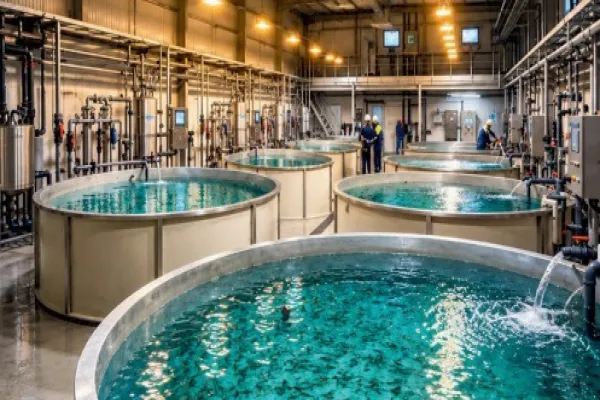
The report highlights considerable opportunities to expand fish farming as marine fisheries face growing pressure from overfishing and environmental challenges. Modern technology, better use of water resources, improved fish supply chains and stronger marketing could help increase production. Greater availability of fish and increased public awareness could also encourage domestic consumption.
With marine fish catches constrained, fish farming could play an increasingly important role in meeting Pakistan's growing demand for fish and supporting the future growth of the fisheries sector.
Credit: INP-WealthPk
Related News