


i INP-WEALTHPK
Public-private partnerships to help accelerate gold, copper mining in SindhBreaking
January 28, 2026
Ahmed Khan Malik
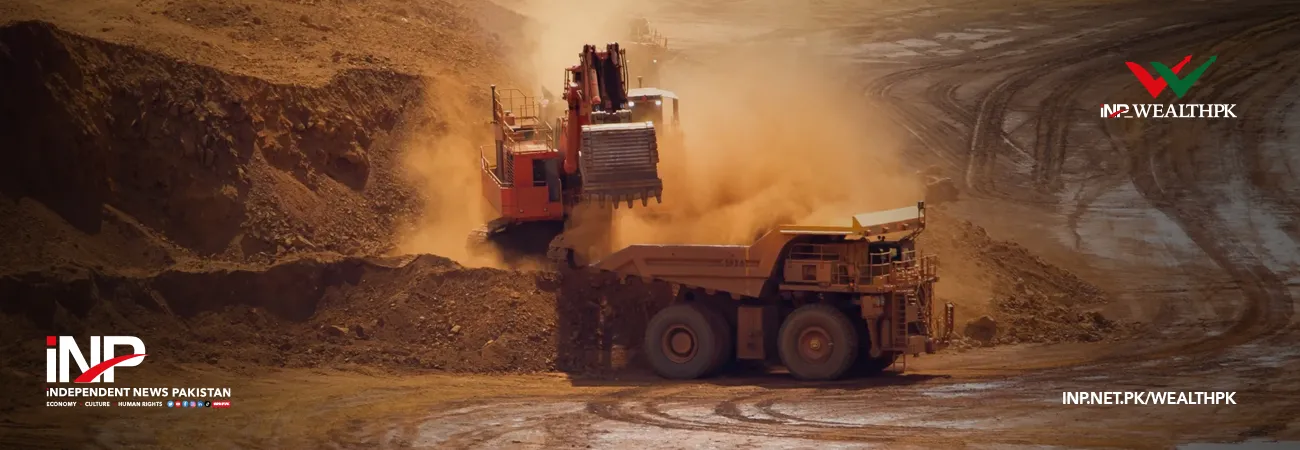
Sindh is emerging as a promising destination for investment in gold and copper mining, driven by its rich mineral potential, an improved regulatory framework, and growing interest from both local and international investors.
With vast untapped reserves and a renewed focus on sustainable resource development, the province is positioning itself as a key contributor to Pakistan’s mineral economy.
Geological surveys indicate that Sindh hosts significant deposits of metallic and non-metallic minerals, including gold and copper, particularly in regions such as Tharparkar, Nagarparkar, and parts of Jamshoro and Dadu.
These areas are believed to contain commercially viable reserves that, if developed responsibly, could generate substantial economic benefits, including employment, infrastructure development, and increased export earnings.
“The provincial government has taken steps to encourage investment in the mining sector by introducing investor-friendly policies and improving transparency in licensing and exploration processes. Simplified procedures, clearer regulations, and greater institutional coordination have helped create a more attractive environment for mining companies,” said Ghulam Rasool, a senior official at the Mines & Minerals Department Sindh.
Speaking to Wealth Pakistan, he emphasized the importance of public-private partnerships to accelerate exploration and extraction activities while ensuring environmental and social safeguards.
He said that investment in gold and copper mining is seen as particularly strategic due to rising global demand for these metals. “Gold continues to be a safe-haven asset in international markets, while copper is essential for modern industries, including renewable energy, electric vehicles, construction, and electronics. As global economies transition toward cleaner energy and advanced technologies, the demand for copper is expected to grow steadily, increasing the long-term value of mining projects in Sindh,” Rasool underscored.
He said that infrastructure development in the province has further strengthened investment prospects. “Improved road networks, better connectivity to ports, and expanding energy projects have reduced logistical challenges traditionally associated with mining operations.” He said Karachi’s proximity as a major port city provides an additional advantage, enabling efficient export of processed minerals to international markets.
The mines and minerals department official said that local communities would benefit significantly from mining investments if projects are implemented inclusively. “Mining operations can create direct and indirect employment opportunities, stimulate local businesses, and support development in remote areas.”
Rasool said that Sindh’s mining sector could play a vital role in diversifying Pakistan’s economy, which has traditionally relied on agriculture and textiles. “By developing its mineral resources, the province can attract foreign direct investment, boost industrial activity, and strengthen value-added processing industries such as smelting and refining.”
He said that with continued government commitment and private-sector participation challenges like advanced exploration technology, skilled manpower, and consistent policy implementation are being managed. He added capacity-building initiatives and international collaborations are expected to help bridge technical and financial gaps.
“With its abundant mineral resources, improved infrastructure, and supportive policy environment, the province is well positioned to become a major player in the regional mining industry,” Rasool noted.
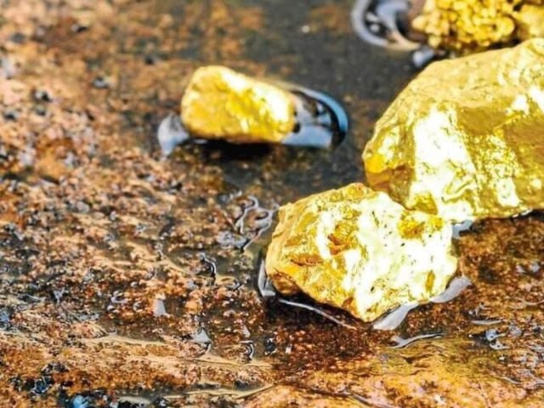
Credit: INP-WealthPk
Related News