i INP-WEALTHPK
Punjab steps up anti-smog drive as rice harvesting gathers paceBreaking
October 07, 2026
By Muhammad Luqman
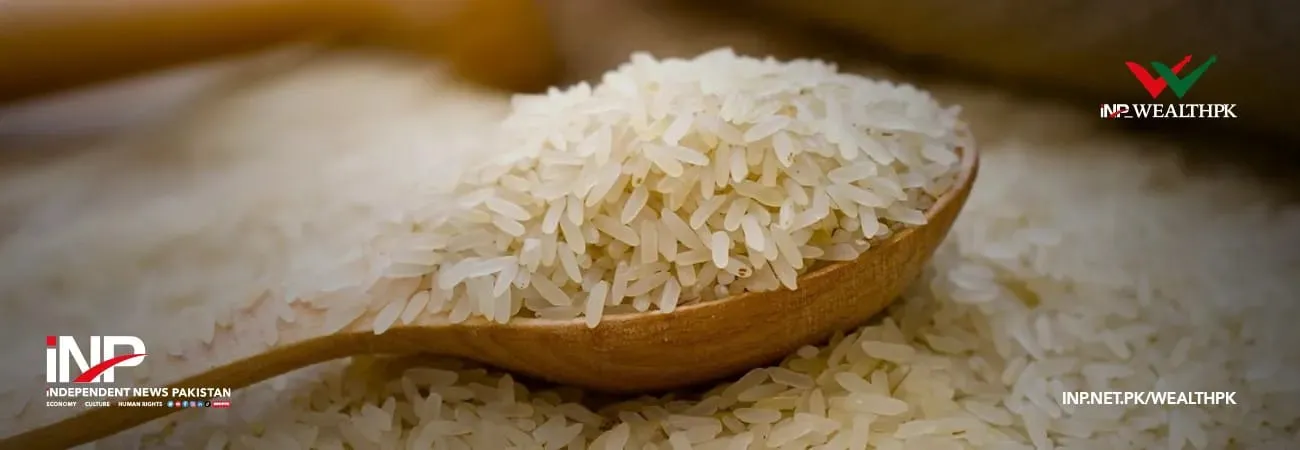
The Punjab Agriculture Department has intensified efforts to curb air pollution and smog during the ongoing rice harvesting season, conducting awareness campaigns among farmers and monitoring crop-residue burning across the province.
Smog that blankets Punjab’s plains during the winter months is driven by a combination of vehicular emissions, industrial pollution, crop-residue burning and stagnant weather conditions.
“The smog mitigation plan is being implemented in its true letter and spirit through awareness campaigns and administrative measures,” said Naveed Asmat Kahloon, Director General of Agriculture Punjab.
Talking to Wealth Pakistan, he said the harvesting of early-sown rice varieties, particularly coarse rice and certain Basmati varieties, has begun in the major paddy-growing areas.
He said harvesting has been completed on around 400,000 acres, accounting for about 7% of the total sown area.
Paddy is cultivated on 6.3 million acres across Punjab this year.
Kahloon said a number of farmers are using super seeders, happy seeders and straw choppers to manage crop residue.
He said the smog mitigation plan aims to reduce crop-residue burning by promoting modern machinery and environmentally friendly alternatives, thereby protecting farmers and nearby communities.
Regarding efforts to raise awareness among growers about the harmful effects of crop-stubble burning and promote safer harvesting and residue-management practices, he said announcements have been made in village mosques.
He said 22,187 volunteer committees have also been formed and have so far contacted 166,284 farmers as part of the anti-smog campaign.
Kahloon said concerted efforts have resulted in a significant decline in paddy-stubble burning, with only one crop-burning incident reported so far, for which a fine of Rs15,000 has been imposed.
He said smog poses serious risks to both agriculture and human health.
“It decreases crop yields and leads to severe respiratory and cardiovascular ailments among human beings,” he added.
According to agriculture machinery experts, the Punjab government is promoting the adoption of mechanised straw-mixing techniques among farmers as an alternative to stubble burning by providing 5,000 super seeders under the project “Provision of Super Seeders on Subsidized Rates to Combat the Issue of Smog.”
Under the Clean Air Programme, super seeders and Pak Seeders are being provided at a 60% subsidy to discourage crop-residue burning and help reduce smog and environmental pollution.
“The use of super seeders and straw choppers can help manage paddy stubble effectively after harvesting,” Engr. Mudassir Ali, Senior Scientist at the Rice Research Institute (RRI), Kala Shah Kaku, told Wealth Pakistan.
However, he said the use of super seeders and straw choppers requires more time and, in some cases, additional labour, which could prompt farmers to burn stubble for convenience.
“There is a need for more efforts to create awareness among paddy growers about the possible environmental impact of stubble burning,” Ali said.
He further said the equipment could be used only with tractors with more than 75 horsepower. Therefore, farmers without sufficiently powerful tractors could face difficulties in adopting these mechanised alternatives for clearing fields ahead of the next crop.
Credit: INP-WealthPk
Related News