

i INP-WEALTHPK
UN fertiliser corridor to help ease pressure on global food securityBreaking
November 10, 2026
By Muhammad Ammar
A proposed United Nations mechanism to restore fertiliser shipments through the Strait of Hormuz offers a potential way to protect agricultural production and food supplies across Asia and Africa, as prolonged shipping disruptions threaten access to essential farm inputs ahead of critical planting periods.
The plan could help maintain fertiliser trade through one of the world's most important maritime passages if the United States and Iran reach an agreement allowing the mechanism to operate.
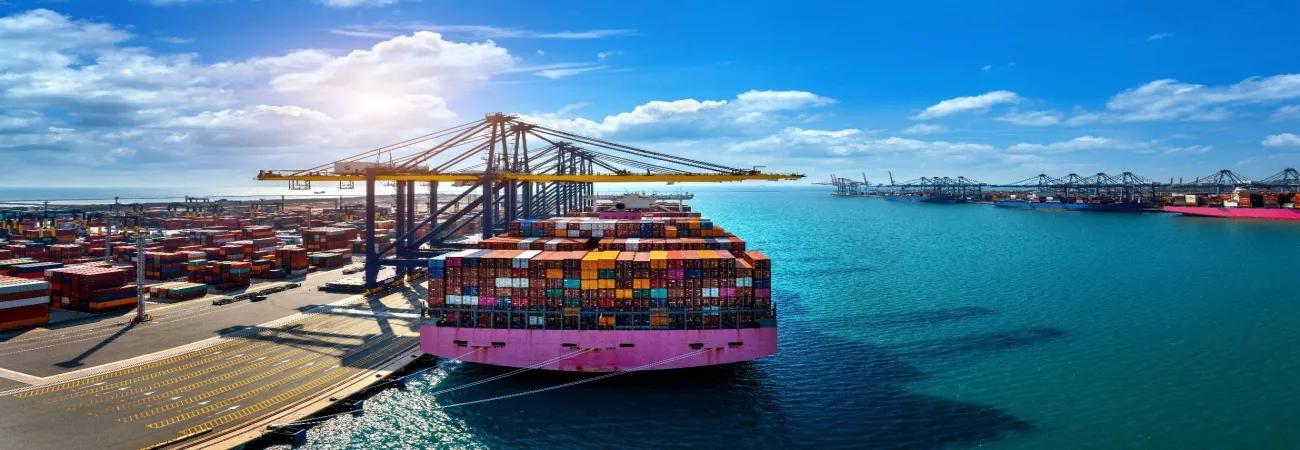
The UN established a task force in March to facilitate fertiliser shipments through the strait. Under the proposed arrangement, a UN-staffed coordination centre in Oman would register vessels and oversee their safe passage, while UN monitors would work with local authorities at Gulf ports to verify cargo.
The mechanism remains inactive but is projected to operational within seven to 10 days of a US-Iran agreement, according to UN Under-Secretary-General Jorge Moreira da Silva, who oversees the initiative.
Moreira da Silva said passage for just five vessels a day would be sufficient to maintain fertiliser supplies to countries facing the greatest need. He stressed the urgency of restoring shipments before planting seasons end, warning that delays could significantly reduce agricultural productivity and push food prices sharply higher.
The Gulf is one of the world's largest fertiliser-producing regions. Before the conflict, approximately 15 million tonnes of sulphur and 12 million tonnes of urea passed through Hormuz annually, according to the International Fertilizer Association.
More than six months into the conflict, fertiliser shipments from the Gulf remain largely halted, according to the International Food Policy Research Institute (IFPRI), raising concerns about the availability of essential agricultural inputs in import-dependent economies.
Global fertiliser markets have partly adjusted to the disruption. IFPRI found that urea prices, which were almost 80% above January levels in late April, had returned to January levels by the end of August.
However, phosphate fertilisers remain under pressure. World Bank data show that diammonium phosphate (DAP), a major phosphate fertiliser, averaged $791.80 per tonne in the third quarter.
Sulphur, a key input for phosphate fertiliser production, remains a particular concern because approximately half of the world's tradable supply passes through the Strait of Hormuz.
The implications extend beyond fertiliser markets. The International Chamber of Commerce estimated in August that continued disruption could increase prices by up to 81% for cereals, 66% for oil crops and 30% for animal products.
Shipping disruptions in the Black Sea and Red Sea have added to concerns about global food security, particularly for developing countries dependent on imported fertilisers and agricultural commodities.
Dr Waqar Ahmad, a Lahore-based agricultural development and food security specialist, told Wealth Pakistan that fertiliser-importing economies, particularly India and African countries, were directly affected by the disruption.
He noted that India, a major urea importer, wields significant influence over international fertiliser prices, while farmers in several African countries already restrict their use of DAP because of limited availability and high costs.
“Yield and quality of produce is affected by the imbalanced use of fertilisers,” he said.
Dr Ahmad warned that prolonged restrictions on fertiliser shipments could aggravate food shortages in African countries already facing scarcity. Pakistan, where undernourishment remains widespread, could face similar risks, he added.
Aftab Alam Khan, an Islamabad-based international consultant on climate change and food security, told Wealth Pakistan that timely activation of the proposed corridor could provide significant relief to farmers and consumers in import-dependent developing countries.
He said restoring fertiliser shipments could help reduce agricultural production costs and stabilise food prices, particularly in countries where farmers were already struggling with expensive inputs and climate-related challenges.
Khan said the combined effects of climate pressures and shipping disruptions in the Strait of Hormuz, Red Sea and Black Sea had created “a quadruple squeeze on agriculture and food security”.
He identified several countries in eastern and southern Africa, along with Nepal and Sri Lanka, among the economies most exposed to these pressures.
Pakistan was also affected, he said, as nearly 25% of its seaborne fertiliser imports passed through the Strait of Hormuz.
Khan called for permanent exemptions for food and agricultural shipments in conflict zones, similar to arrangements for humanitarian cargo, to protect vulnerable populations from disruptions in essential supplies.
The proposed UN mechanism seeks to separate fertiliser shipments from the wider dispute over the Strait of Hormuz, allowing essential agricultural trade to continue while broader diplomatic negotiations proceed.
Moreira da Silva has urged both governments to let the UN carry out its work while they negotiate on a wider agreement.
If activated in time, the corridor could help maintain fertiliser supplies during critical planting periods, ease pressure on agricultural production and provide a practical model for protecting essential trade through conflict-affected maritime routes.
Related News