


i NEWS INTERNATIONAL
Muslims comprise just 46 of 1,560 India’s top jail officials: ReportBreaking
February 24, 2026
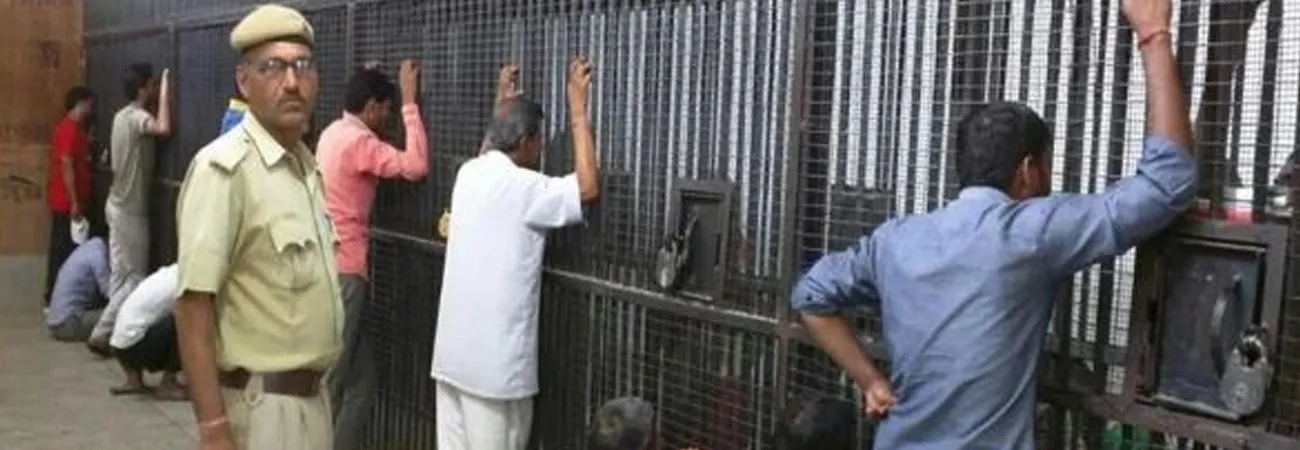
A new study has revealed stark disparities in India’s prison system, showing that while Muslims constitute around 19 percent of inmates, their representation in top prison administration remains disproportionately low, raising serious concerns about systemic discrimination. The findings are highlighted in Mohammed Abdul Mannan’s book At the Bottom of the Ladder: State of the Indian Muslims, which quantifies Muslim presence in 150 key institutions across India.
The report notes that by mid-2024, only 46 Muslims were among 1,560 top officials managing prisons across the country, even as Muslims account for a substantial share of the prison population. India, the world’s most populous country, has 1,330 prisons—including central jails, district jails, sub-jails, women’s jails, open jails, borstal schools, and special jails—with a total prison population of 573,220. The system is severely overcrowded, operating at 131.4 percent occupancy against an official capacity of 436,266.
In Delhi alone, 16 prisons house nearly 19,500 inmates against a sanctioned capacity of 10,026, while two facilities in Tihar Jail reportedly face occupancy levels as high as 400 percent. Data shows that 76 percent of inmates are undertrials, meaning they have not been convicted of any crime. Convicts comprise only 23 percent of the prison population.
The India Justice Report-2025 and a Parliamentary Standing Committee on Prison Conditions have described overcrowding as “stark” and “quite worrying,” with over 70 percent of prisoners awaiting trial and administrations often spending more on their incarceration than the bail amounts required for release. Despite the sizeable Muslim inmate population, representation in prison leadership remains minimal in several states.
Maharashtra, which has 60 prisons, has no Muslim among its 99 top officials. Gujarat, with 32 jails, and Chhattisgarh, with 33, also have no Muslim representation in senior prison management. Similar patterns are reported in Haryana, Himachal Pradesh, Odisha, Punjab, and several northeastern states, where Muslims are entirely absent from jail administrative leadership.
Even in large states such as Madhya Pradesh and Bihar, Muslim representation remains negligible compared to overall staffing numbers. The data reflects structural exclusion of Muslims from key state institutions, even as they remain disproportionately represented among the incarcerated population. Such disparities raise troubling questions about equity, access to public sector employment, and impartiality within the criminal justice system.
Credit: Independent News Pakistan (INP)
Related News