


i NEWS INTERNATIONAL
Sexual exploitation exposes gaps in women’s protection across India Breaking
October 13, 2026
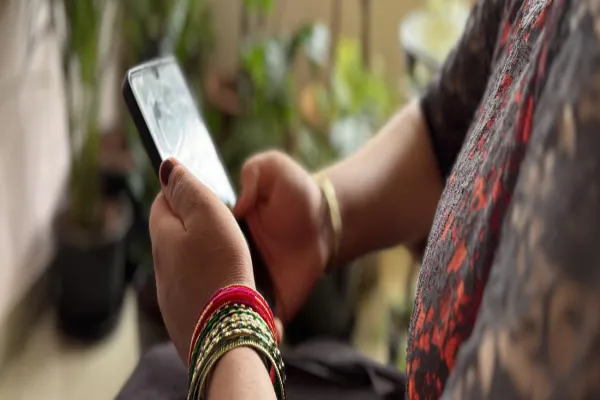
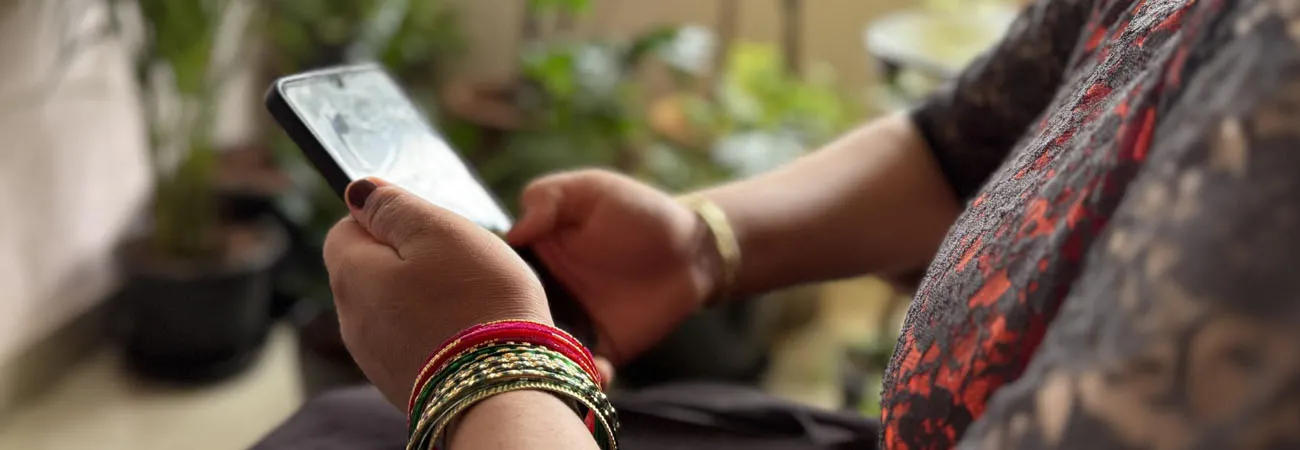
Sexual exploitation continues to raise serious concerns across India with calls stressing urgent need for stronger prevention and accountability. The latest arrests in Manipur in connection with the circulation and sale of intimate images have renewed questions about protecting women and children. They also raise concerns about online abuse and the commercial exploitation of victims. Manipur Police have arrested 13 people, including a minor, in the case. Investigators allege that Telegram channels circulated and monetised intimate images.
The material reportedly included child sexual abuse material. Police seized 14 mobile phones and one laptop. They are tracing financial transactions and the alleged distribution network. The investigation aims to identify further suspects and potential victims. The latest case comes amid painful memories of Manipur’s ethnic violence. In May 2023, two Kuki women were paraded naked and sexually assaulted. A widely circulated video triggered national outrage and demands for accountability.
The incident exposed the extreme vulnerability of women during communal violence. The current digital-exploitation case is separate from that assault. However, both underscore the need for effective protection and justice. Survivors must not face intimidation, stigma or prolonged uncertainty. The 2017 Unnao rape case remains another major test of accountability. Former Bharatiya Janata Party (BJP) legislator Kuldeep Singh Sengar was convicted.
He received a life sentence in the case involving a minor. In May 2026, India’s Supreme Court set aside an order suspending his sentence. It directed the Delhi High Court to reconsider the matter. The case drew scrutiny over survivor protection and political accountability. The survivor’s family also faced serious challenges during the proceedings. The Supreme Court’s intervention renewed attention to the case’s legal complexities.
Credit: Independent News Pakistan (INP)
Related News