i NEWS PAK-CHINA
Govt introduces new transit trade framework via GwadarBreaking
April 28, 2026
The Ministry of Commerce has introduced a new legal framework to regulate transit trade through Pakistan, a move aimed at improving cross-border logistics and strengthening regional connectivity, particularly with Iran.
According to a Gwadar Pro's report, the ministry issued the Transit of Goods through Territory of Pakistan Order 2026, which came into force immediately.
“This Order shall be called the ‘Transit of Goods through Territory of Pakistan Order 2026’ and shall come into force at once,” the official notification stated.
The order has been promulgated under a 2008 bilateral agreement between Pakistan and Iran governing the international road transport of passengers and goods.
It establishes a regulatory structure for transit trade, defining key concepts such as cross-stuffing, customs security, shipper responsibilities and transit operations.
According to the notification, transit refers to the movement of goods across Pakistan “when the passage across such territory is only a portion of a complete journey which begins and ends beyond the borders of Pakistan.”
All transit cargo will be regulated under the Customs Act, 1969, along with rules and procedures prescribed by the Federal Board of Revenue, ensuring standardised compliance for traders and transport operators.
The government has also formally designated multiple transit transport corridors linking major ports and inland routes.
These include Gwadar-Gabd, Karachi/Port Qasim-Gabd, and several routes passing through key locations such as Turbat, Panjgur, Khuzdar, Quetta and Taftan, facilitating trade flows towards Iran and onward markets.
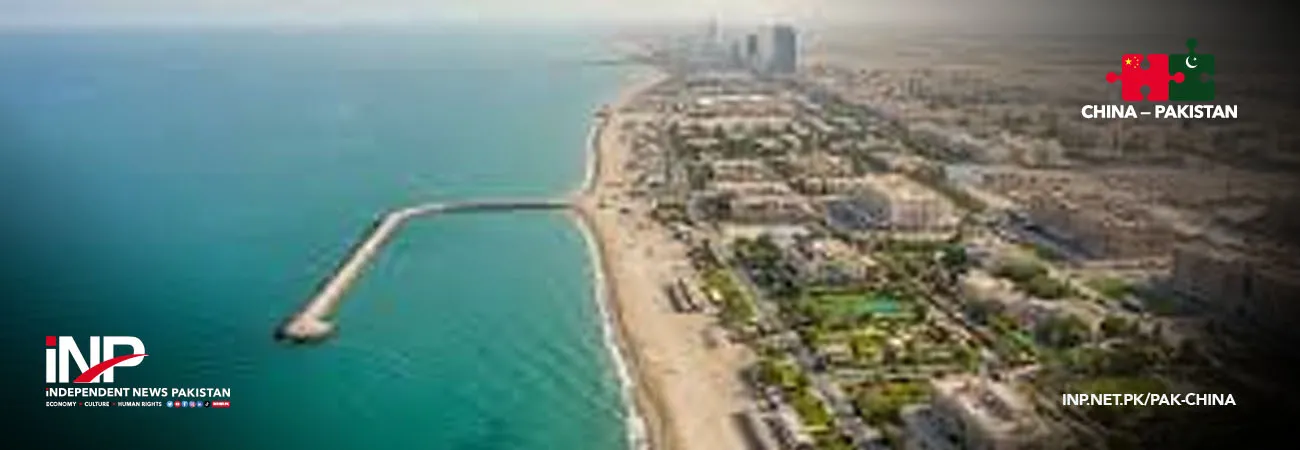
The policy highlights the growing strategic role of Gwadar Port in Pakistan’s trade architecture. Located near the Iranian border and along key maritime routes, Gwadar offers a shorter and potentially more cost-efficient gateway for regional transit trade compared with traditional routes via Karachi.
Industry observers said the new framework was expected to reduce procedural bottlenecks and provide greater clarity for international transporters, potentially increasing transit volumes through Pakistan amid shifting regional supply chains.
Separately, the Gwadar Port Authority (GPA), in a pamphlet, highlighted commercial incentives linked to transit operations at the port, including extended free storage periods and relatively lower handling charges, aimed at attracting greater cargo volumes and enhancing Gwadar’s competitiveness as a regional transshipment hub.
The development is also expected to increase economic activity in Balochistan by expanding logistics operations, generating employment opportunities and supporting infrastructure development around Gwadar.
Credit: Independent News Pakistan (INP) — Pak-China
Related News