


i NEWS PAKISTAN
Sindh’s wheat stocks rot in Landhi warehouses, flour millers refuse to lift grainBreaking
October 16, 2026
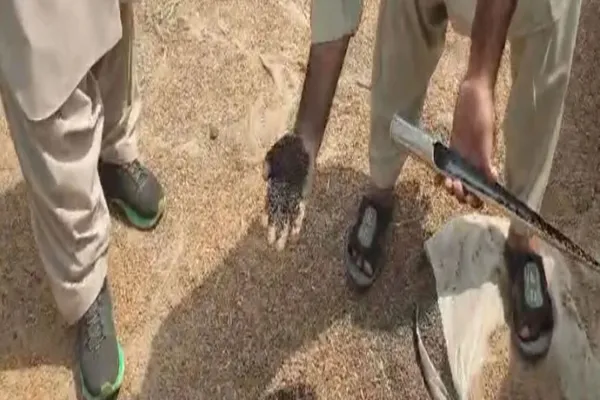
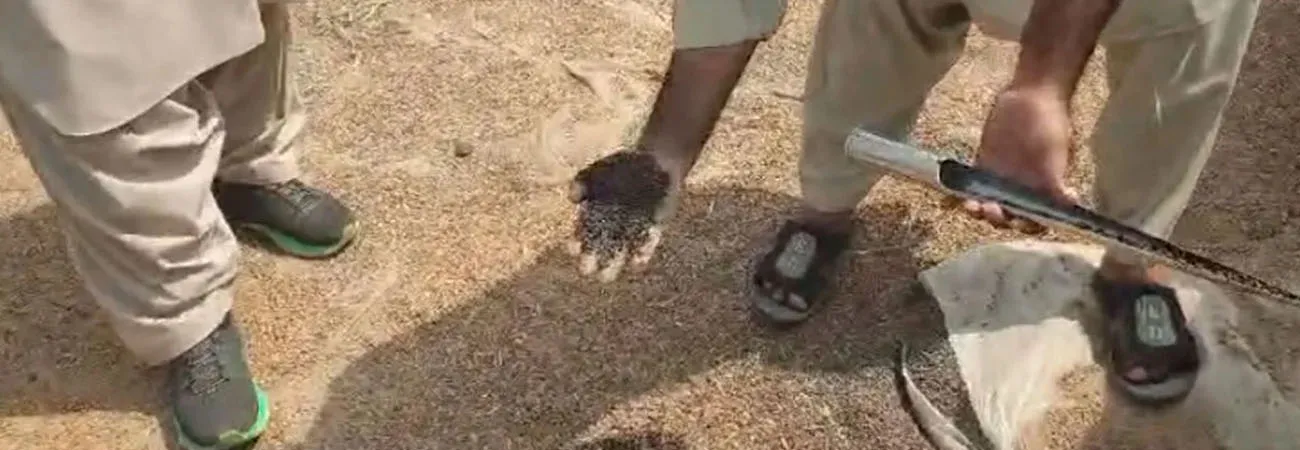
Millions of maunds of wheat stored in government warehouses in Karachi’s Landhi area have reportedly deteriorated and become unfit for human consumption, prompting flour millers to refuse to lift the grain released by the Sindh government.A substantial quantity of wheat purchased with public funds has reportedly rotted and turned black during storage at warehouses operated by the Sindh Food Department in Landhi. The reported damage to the government’s wheat stocks has raised concerns about substantial financial losses to the national exchequer, as wheat purchased at a cost of billions of rupees has allegedly been allowed to go to waste instead of being sold and distributed.
The stockpile reportedly includes wheat that has been stored for four years, with a significant portion said to be damaged and unusable. Association chairman Malik Iqbal said a large portion of the government-held wheat was damaged. He called for the spoiled grain to be separated from the usable stock, adding that flour millers would consider lifting the wheat that remained fit for consumption.The association has warned that the wheat shortage could intensify in the coming months, raising concerns about the availability and cost of flour. Sindh requires approximately one million metric tonnes of wheat, and millers have expressed concern that supplies could fall short despite the existence of government stocks.
The Flour Mills Association has written to the prime minister, the president and the chief minister of Sindh, urging the authorities to allow wheat imports amid concerns over reduced domestic production and the condition of government reserves. Malik Iqbal described the government’s official wheat price of Rs12,500 per maund as encouraging. However, he stressed that damaged stocks must be separated from usable grain before millers could consider purchasing the remaining supplies.The association also expressed support for a new wheat policy, saying it could help curb corruption and reduce the burden of government subsidies.
Credit: Independent News Pakistan (INP)
Related News