

آئی این پی ویلتھ پی کے

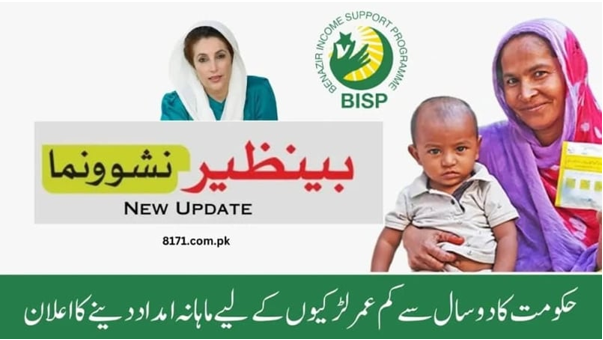
Benazir Nashonuma Programme to distribute 3.7m nutritional packs in 2025 to combat stunting
December 17, 2025
Abdul Ghani
Launched in 2020 and expanded nationwide in 2023, the Benazir Nashonuma Programme has emerged as a key intervention in Pakistan’s fight against stunting and malnutrition among vulnerable mothers and children, according to a document available with Wealth Pakistan.
The document states that by the end of 2025, the programme will have distributed more than 3.7 million specialised nutritious food (SNF) packs to pregnant and breastfeeding women and young children, targeting nutrition deficits during the critical first 1,000 days of life.
Currently operating through 540 facilitation centres across 157 districts, the programme provides nutrient-dense food supplements to an estimated 3.7 million women and children nationwide. Under the initiative, enrolled mothers receive 75 grams of SNF per day, while children are provided with 50 grams daily to help bridge dietary gaps. The supplements are fortified with essential vitamins, minerals, amino acids and fatty acids required for healthy maternal and child development.
In addition to nutritional support, the programme offers conditional cash transfers to enrolled beneficiaries. Women who comply with prescribed health services and return at least 90 percent of empty SNF sachets are eligible to receive Rs4,000 per quarter for a girl child and Rs3,500 for a boy child, easing household financial constraints linked to nutrition and healthcare.
Implemented under the Benazir Income Support Programme (BISP), the Nashonuma initiative aims to address Pakistan’s persistently high stunting rates, a major contributor to poor child health outcomes. The document highlights that more than two-thirds of households in the country are unable to afford a nutritious diet, underscoring the programme’s role in delivering both food support and income assistance to the poorest families.
The programme is also set to introduce targeted nutritional adjustments by the fourth quarter of 2025. Women identified as overweight or obese under body mass index criteria will receive multiple micronutrient supplements (MMS) in place of standard SNF, reflecting a tailored approach to maternal health needs.
The initiative forms part of Pakistan’s broader response to widespread malnutrition, driven largely by the high cost of healthy and diverse diets. With household food expenditure covering only around 60 percent of the cost of a nutritious diet, the programme remains a critical support mechanism for vulnerable populations.
Officials note that beyond immediate nutritional relief, the Benazir Nashonuma Programme seeks to lay the foundation for long-term improvements in child health by reducing stunting and promoting healthier early development.
The Benazir Income Support Programme, Pakistan’s largest social protection initiative, continues to implement multiple interventions aimed at poverty alleviation, food security and improved health outcomes for marginalised communities across the country.
Credit: INP-WealthPk
متعلقہ مضامین