



آئی این پی ویلتھ پی کے

Gas shortages, rising LPG costs drive shift towards electric cooking in Pakistan
November 13, 2026
By Muhammad Luqman
Pakistani households are gradually shifting from traditional gas cooking to electric alternatives as households increasingly seek relief from persistent gas shortages and rising fuel costs.
The growing availability of solar power has further accelerated this transition, making electric cooking a potentially more affordable option for households seeking alternatives to expensive liquefied petroleum gas (LPG).
“The solar boom has given a boost to electric cooking, as preparing meals using solar-generated electricity is now more affordable than relying on expensive LPG,” said Engr. Ubaid-ur-Rehman Zia, Senior Research Fellow at the Sustainable Development Policy Institute (SDPI).
Talking to Wealth Pakistan, he said an increasing number of households in major urban centers, particularly Lahore, Karachi, Islamabad and Peshawar, had adopted electric cooking over the past three years.
The major electric cooking appliances available in the Pakistani market include electric hot plates, infrared stoves and induction cooktops. Hot plates and infrared stoves are attracting greater consumer interest because they are generally less expensive than induction cooktops.
“In just a few years, around 91 new international electric stove brands have entered the Pakistani market, in addition to products introduced by local manufacturers,” Zia said.
He noted that electric hot plates and infrared stoves typically draw between 800 and 3,500 watts of electricity, depending on their capacity and operating settings.
Although induction cooktops are more energy-efficient, their relatively high upfront cost, ranging from Rs 40,000 to Rs 150,000, makes them less affordable for many households, he added.
The requirement for induction-compatible cookware can further increase the initial investment, making these appliances less accessible to price-conscious consumers.
Zia said that shifting 10 per cent of Pakistan's cooking requirements to electricity by 2030 could significantly reduce dependence on piped natural gas and LPG, ultimately helping lower the country's energy import bill.
He emphasized the need for a national electric cooking strategy to encourage households to adopt the technology.
“Special electricity tariffs for electric cooking need to be introduced to encourage people to make the transition,” he said.
Zia also called for the Pakistan Standards and Quality Control Authority (PSQCA) and the National Energy Efficiency and Conservation Authority (NEECA) to play their respective roles in ensuring the availability of quality, energy-efficient electric cooking appliances in the Pakistani market.
According to energy efficiency experts, the success of electric cooking should be measured by how efficiently and affordably it meets households' everyday cooking needs.
“The aim of adopting this technology is to reduce the energy required to prepare a meal while making it practical for everyday use, keeping Pakistan's constraints in mind,” said Mahwish Khan, Director of NEECA.
Talking to Wealth Pakistan, she said energy-efficient electric appliances, particularly induction cooktops, offered an opportunity to reduce energy wastage during cooking and replace some direct household gas consumption.
“Wider adoption, however, depends on presenting consumers with a convincing proposition, including manageable purchase and operating costs, reliable electricity supplies and equipment suited to Pakistani cooking practices,” Khan said.
She said NEECA's contribution lies in developing energy performance standards, providing reliable consumer information and conducting practical assessments under local conditions.
“The guiding principle is to deliver the cooking people need with less energy waste and a clear understanding of the cost,” the NEECA official added.
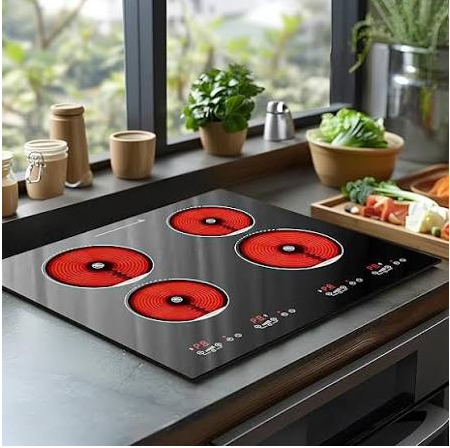
Credit: INP-WealthPk
متعلقہ مضامین