

i BLOGS

Fuel Price Update (24th July 2026): Petrol Up by PKR 4, Diesel by PKR 3تازترین
July 24, 2026
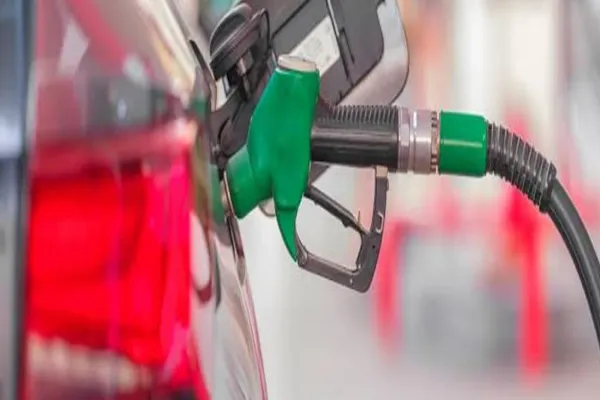
Another blow for people already struggling with rising inflation, as petrol prices have been increased once again. Following a PKR 4 per litre hike, the price of petrol has risen to PKR 331 per litre. Diesel prices have also been increased by PKR 3 per litre, taking the new price from PKR 375 to PKR 378 per litre.
The increase on paper may seem modest but its impact is expected to be significant across the economy. Fuel prices have a direct impact on transport costs which then impact food prices, consumer goods and essential services. Daily commuters, ride-hailing drivers, transport companies, and farmers who rely heavily on diesel-powered machinery are likely to feel the financial strain.
The new fuel prices may lead to increased monthly costs of transport and daily needs to the average family. This may translate into higher costs for businesses – and possibly more price rises for consumers. Every time fuel prices go up it’s a cost-of-living increase in a tough economic environment.
According to experts, consumers can minimize the impact by planning their trips efficiently, using public transportation when possible, carpooling, and servicing their vehicles for better fuel efficiency. These steps will not relieve the entire burden but can help keep costs contained.
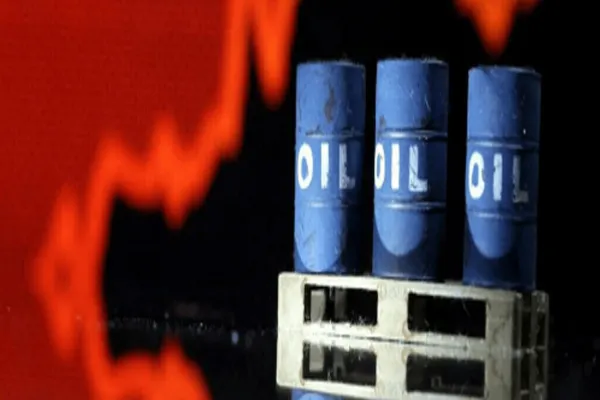
Fuel prices are still following the global oil markets and domestic economy, so it is important to keep up to date. The latest revision serves as another reminder of how closely fuel costs are tied to the overall economy and the daily lives of millions of Pakistanis.
Credit: Independent News Pakistan (INP)
متعلقہ خبریں