

i BLOGS
Three Days, Three Deadly Attacks: Balochistan Gripped by Terror Once Againتازترین
July 24, 2026
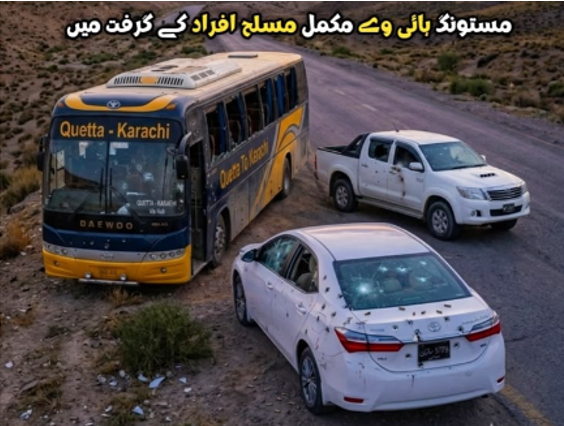
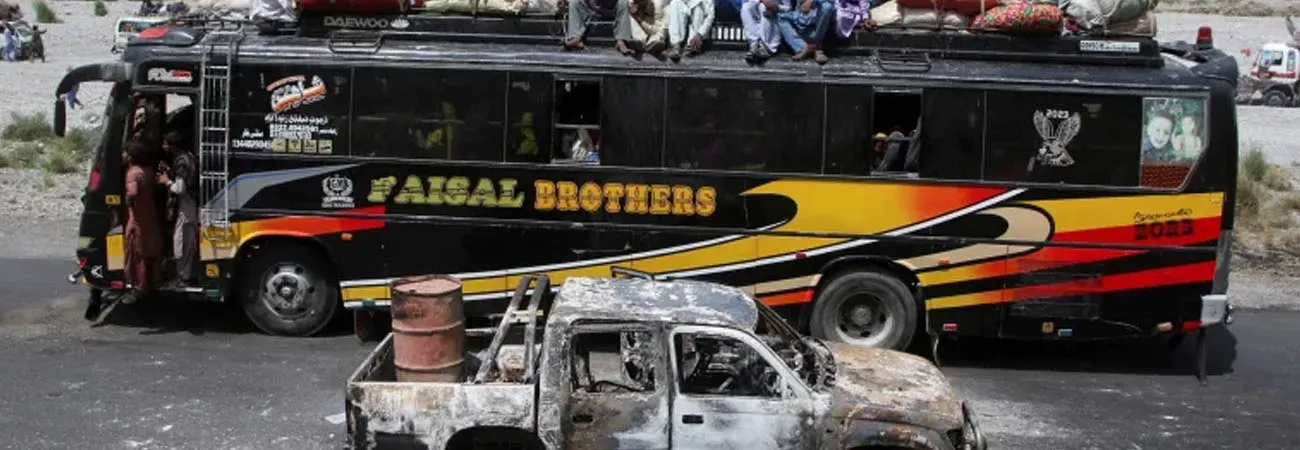
For thousands of people in Balochistan, the Quetta–Karachi National Highway is more than just a road—it is a lifeline. Everyday passengers travel to meet their families, patients travel to hospitals in Karachi for life-saving treatment, and trucks with essential goods keep businesses and markets running across the province. But in recent weeks that road has become a dangerous pathway with violence, uncertainty and fear.
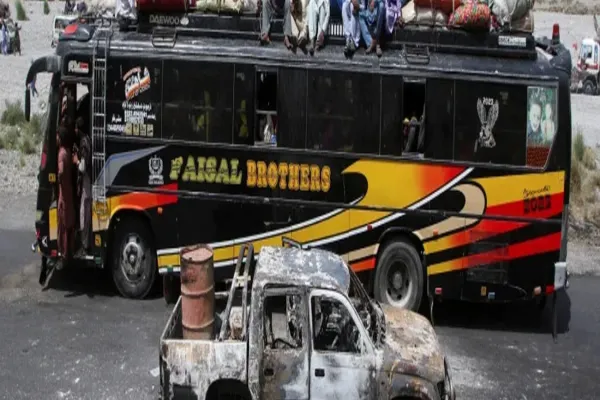
The latest attack took place near Khad Kocha, where unidentified gunmen opened fire on a passenger coach travelling from Quetta to Karachi. Four of the passengers died and four others were injured. In another incident, a passenger coach travelling from Turbat to Quetta came under attack near Surab, injuring a woman seriously.
Earlier, two women travelling along with their family from Zhob to Karachi for medical treatment, were killed in an attack on their vehicle near Kalat.
The violence took a grim turn on Thursday with terrorists killing District and Sessions Judge Abdul Hakeem Kakar and his security guard in an attack on the judge’s vehicle near Mastung. Additional Sessions Judge Tariq Lashari also received serious injuries.
The attacks have come one after another, increasing fears among people who use the highway to get to work, health care and to visit family. At the same time, transporters' decision to limit freight movement threatens businesses dependent on the route, potentially disrupting the supply of essential goods.
As violence continues to target civilians and public officials alike, the Quetta–Karachi Highway is a stark reminder of the urgent need to restore security and public confidence on one of Pakistan’s most critical road networks.
Until then, every journey on the Quetta–Karachi Highway will carry a question no traveller should ever have to ask: Will I make it home safely?
Credit: Independent News Pakistan (INP)
متعلقہ خبریں